
Trolley
You have no items in your shopping cart

 Budgets
 Dumbers
 Discs
Discs
 Benches
 Racks and Rigs
 Weights Holders
 Isotonic machines
 Calisthenics
 Cardio
 Kettlebells
 Flooring
 Gym Set
 Accessories
 Combat
 ARTI MARZIALI
 CONTAINER GYM
 Tug-Of-War
 Used Gym Equipment
 PILATES MACCHINARI
 GINNASTICA ARTISTICA
 CAMPI DA PADEL
 Prodotti in Pronta Consegna
 Informazioni
 IRONMAN
 Gift Card
- Donatif
- General information
- 0 I like it
- 2230 Views
- 0 comments
- gym flooring, safety flooring, gym safety, shock-absorbing materials
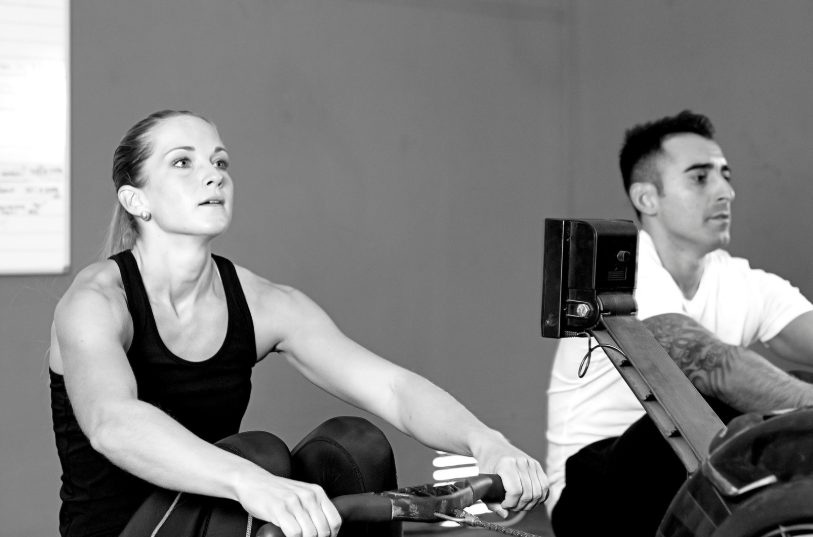
8-Week Rowing Machine Weight Loss Program
Following a rowing machine weight loss program can be one of the most sustainable strategies for people who want to lose weight without extreme approaches or overly complicated workouts that are difficult to maintain over time. A rowing machine combines cardiovascular training, muscle engagement, and gradual progression, making it suitable even for complete beginners who want to train at home.
One of the most common mistakes when trying to lose weight is relying on quick promises or unrealistic programs. In this case, the goal is different: building a credible, measurable, and sustainable 8-week journey with progressive intensity increases and habits that can continue even after the program ends.
- Why the rowing machine is effective for weight loss
- What to realistically expect in 8 weeks
- How the program works
- Complete 8-week program
- Nutrition and recovery
- How to track progress
- Making rowing a long-term habit
Why the rowing machine is effective for weight loss
The rowing machine is often underestimated compared to other cardio equipment, but it is actually one of the most complete tools for progressive weight loss. During a workout, the legs, back, core, shoulders, and arms are all engaged, creating high energy expenditure without the heavy joint impact typically associated with running.
Another major advantage is the ability to easily adjust both intensity and duration. This means that even beginners can start with short, controlled sessions and gradually increase the workload without feeling overwhelmed. Consistency, more than perfection, is what produces real results over time.
Calorie burn and muscle activation
The rowing machine for fat burning works well because it combines cardio and muscular work into one movement. When multiple muscle groups work together, the body requires more energy and increases overall calorie consumption.
This does not mean that a few minutes a day are enough to completely transform your body. Results depend on consistency, nutrition, and the ability to gradually increase training intensity. However, thanks to its full-body nature, the rowing machine can deliver visible results even for people with limited time available.
The difference between random workouts and a structured program
Many people use a rowing machine without a real strategy, alternating random sessions with the same intensity every time. In these situations, it is easy to lose motivation because the body adapts quickly and progress becomes difficult to notice.
A structured program, on the other hand, introduces progression, recovery, and intermediate goals. This creates continuous improvement and helps avoid the sense of failure that often leads people to quit after only a few weeks.
What to realistically expect in 8 weeks
One of the most important aspects of an effective journey is managing expectations. A well-designed rowing machine weight loss program does not promise extreme transformations in unrealistic timeframes, but instead focuses on gradual and sustainable fat loss.
Within 8 weeks, many people begin to notice improvements in endurance, posture, sleep quality, and overall daily energy levels. Waist circumference may also gradually decrease, especially when training is paired with balanced nutrition.
Sustainable and progressive results
Losing weight too quickly often leads to regaining the lost pounds shortly afterward. A more gradual approach helps maintain results over time and reduces the risk of giving up.
The real goal of these 8 weeks is not simply seeing a different number on the scale, but creating a realistic and sustainable routine. This approach helps build confidence and reduces the feeling of following a temporary solution.
Mistakes to avoid when trying to lose weight quickly
One of the most common mistakes is training too intensely right from the beginning. This behavior can lead to excessive fatigue, muscle soreness, and loss of motivation after only a few days.
Another frequent issue is believing that exercise alone can compensate for unhealthy eating habits. In reality, weight loss comes from balancing movement, recovery, and moderate nutrition. Looking for shortcuts often leads only to frustration.
How the rowing machine weight loss program works
This plan is designed for beginners who want to train in a realistic and progressive way. The first weeks focus on building endurance and proper technique, while the later stages introduce more structured and demanding sessions.
The goal is not to reach exhaustion during every workout, but to create sustainable progress. For this reason, the program alternates lighter sessions, moderate workouts, and active recovery periods.
Weekly frequency and intensity
The plan initially includes 3 weekly workouts, gradually increasing to 4 or 5 sessions during the final weeks. Intensity rises progressively to allow the body to adapt without excessive strain.
More challenging workouts are alternated with lighter days to avoid excessive fatigue. This strategy improves consistency and makes it easier to complete the program successfully.
Workout structure
Each workout should begin with 5 minutes of light warm-up rowing, followed by the main training phase and a few minutes of cooldown. This final stage is important because it supports recovery and reduces muscle stiffness.
Sessions may include steady moderate rowing or higher-intensity intervals. Alternating different stimuli helps improve both calorie expenditure and cardiovascular fitness.
Complete 8-week program
Weeks 1-2
During the first two weeks, the main objective is learning proper rowing technique and building consistency. Three workouts of 15-20 minutes at moderate intensity are enough.
The focus should remain on technique and regularity. Even if the sessions feel simple, they create the foundation necessary to approach the following weeks with greater confidence.
Weeks 3-4
At this stage, workout duration gradually increases to 25-30 minutes. You can introduce interval sessions with short bursts of higher intensity followed by active recovery.
Many people start noticing their first tangible changes during this phase. Endurance improves, recovery becomes faster, and confidence in the process increases.
Weeks 5-6
Workouts become slightly more demanding, reaching 4 sessions per week. Intervals may become longer and the average pace more challenging.
This is often the most delicate phase mentally. Initial motivation may decrease, but consistency is exactly what separates a temporary attempt from a real lifestyle change.
Weeks 7-8
During the final weeks, the program aims to consolidate the progress achieved. Sessions can reach 35-40 minutes, alternating steady rowing with interval work.
By the end of the 8 weeks, many people notice not only weight reduction but also a significant improvement in cardiovascular endurance and daily energy levels.
Nutrition and recovery to support weight loss
Training alone is rarely enough to achieve long-term results. It is important to support the program with balanced and sustainable nutrition while avoiding overly restrictive approaches.
A moderate calorie deficit allows weight loss without compromising energy or recovery. The goal should be improving daily habits gradually rather than following impossible rules.
Sustainable eating habits
Choosing simple foods, increasing protein intake, and controlling portion sizes can help manage hunger and improve overall diet quality.
It is also important to avoid the classic pattern of “intense workout followed by overeating.” Daily consistency produces far more stable results than extreme behaviors.
Sleep, recovery, and fatigue management
Recovery is often overlooked, yet it is a fundamental part of weight loss. Poor sleep or excessive stress can negatively affect energy, hunger, and motivation.
Including lighter days and giving the body enough time to recover helps maintain workout quality and reduces the risk of quitting.
How to track progress without becoming obsessed
The scale can be useful, but it should not be the only point of reference. During a training journey, the body changes through improvements in body composition and endurance as well.
Tracking measurements, daily energy, sleep quality, and workout consistency provides a much more complete picture of real progress.
Useful indicators beyond the scale
Being able to complete longer sessions or recover more quickly is already an important sign of progress. Even small improvements in daily routines represent meaningful achievements.
Physical changes often become noticeable only after several weeks of consistency. For this reason, it is essential to avoid judging results too early.
When to adjust the program
If fatigue becomes excessive or persistent pain appears, it may be helpful to temporarily reduce intensity or duration. Pushing too hard rarely leads to better results.
On the other hand, if workouts start feeling too easy, you can gradually increase duration or add more intense intervals to continue stimulating improvement.
Making rowing a long-term habit
The real success of a weight loss journey does not depend only on the initial 8 weeks, but on the ability to turn movement into a lasting habit. A rowing machine can become a practical and sustainable solution because it allows people to train easily at home.
Creating a realistic routine without extreme expectations helps maintain motivation and reduces the likelihood of abandoning the journey. The most important progress is not simply losing weight, but gaining greater control over personal habits and overall well-being.
Comments (0)