
Trolley
You have no items in your shopping cart

 Budgets
 Dumbers
 Discs
Discs
 Benches
 Racks and Rigs
 Weights Holders
 Isotonic machines
 Calisthenics
 Cardio
 Kettlebells
 Flooring
 Gym Set
 Accessories
 Combat
 ARTI MARZIALI
 CONTAINER GYM
 Tug-Of-War
 Used Gym Equipment
 PILATES MACCHINARI
 GINNASTICA ARTISTICA
 CAMPI DA PADEL
 Prodotti in Pronta Consegna
 Informazioni
 IRONMAN
 Gift Card
- Donatif
- General information
- 0 I like it
- 1107 Views
- 0 comments
- gym flooring, safety flooring, gym safety, shock-absorbing materials
READING TIME: 5 MINUTES ➤➤
Common Hip Thrust Mistakes and How to Avoid Them
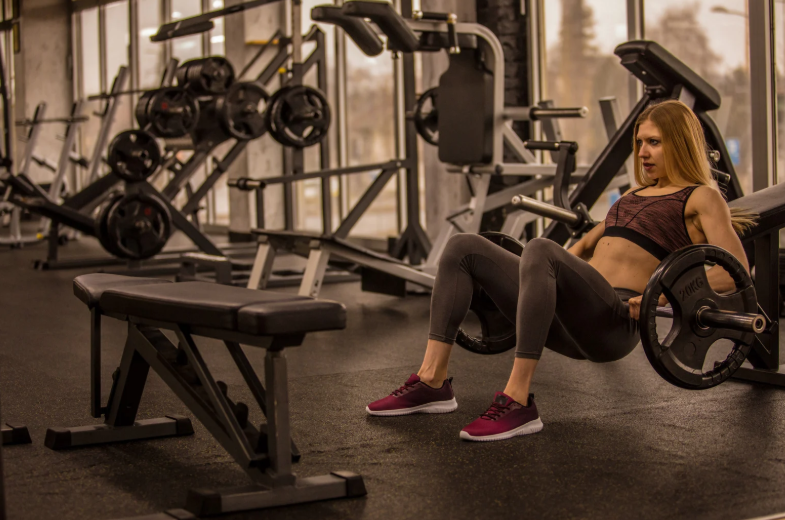
The hip thrust is one of the most widely used exercises for developing glute strength and muscle mass, but it is also one of the exercises most often performed incorrectly. Many people quickly increase the load because the movement seems simple, only to realize later that they do not feel their glutes working or that they experience discomfort in the lower back. In most cases, the issue is not the exercise itself but rather a few technical details that reduce its effectiveness.
The good news is that the most common mistakes can be corrected with a few simple adjustments. Understanding proper body positioning, learning how to control the pelvis, and using visual cues can help you achieve better results and train more safely. This approach also helps build confidence in the exercise without creating unnecessary concerns about pain or negative sensations.
Why Hip Thrust Technique Makes a Difference
The effectiveness of the hip thrust depends on the ability to transfer force through hip extension while maintaining pelvic control. When the technique is correct, the workload is concentrated primarily on the glutes, while the back and legs play a supporting role. On the other hand, poor posture changes force distribution and reduces the desired muscular involvement.
Many trainees attribute limited results to their training program or the amount of weight used. In reality, inefficient technique can significantly limit progress. For this reason, it is worth focusing on technical details before increasing the load, building a stable and repeatable movement pattern.
Mistakes That Prevent Proper Glute Activation
Pushing With the Back Instead of the Glutes
One of the most common hip thrust mistakes is trying to lift the barbell by arching the back. This compensation often creates the sensation that the lower back is doing the work rather than the glutes. The movement should originate from hip extension, not from the spine.
A useful cue is to imagine pushing the floor away with your heels while driving your pelvis upward and keeping your ribs under control. When the focus remains on the glutes, the quality of the contraction improves significantly.
Losing Control at the Top of the Movement
Many people accelerate excessively during the final portion of the lift. This reduces time under tension and makes it harder to feel the muscles working. An overly explosive lockout can also encourage unwanted compensations.
The solution is to reach the top position under control and hold a brief pause before lowering. This simple adjustment improves the mind-muscle connection and increases the exercise’s effectiveness.
Lack of Tension Throughout the Movement
Allowing the body to relax between repetitions reduces the quality of the training stimulus. Throughout the entire movement, it is important to maintain constant tension in the glutes, core, and feet.
When tension is maintained continuously, the movement becomes smoother and more stable. Even with moderate loads, it is possible to achieve highly effective training without immediately chasing heavier weights.
The Most Common Causes of Lower Back Pain During the Hip Thrust
Hyperextending the Spine at Lockout
The connection between hip thrust and lower back pain is often linked to improper technique, particularly lumbar hyperextension. In an attempt to lift more weight, some individuals extend the lower back beyond the necessary range of motion.
At the top position, the torso and thighs should be nearly aligned without exaggerating the lumbar arch. This helps distribute the load more effectively and reduces unnecessary stress on the spine.
Using Excessive Loads for Your Technical Ability
Increasing the weight before mastering the technique is one of the most common causes of compensation patterns. Excessive loads make it difficult to control the movement and encourage less efficient strategies.
Reducing the weight temporarily does not mean regressing. On the contrary, it allows you to learn a more effective movement pattern that will later make it easier to handle heavier loads.
Poor Core and Pelvic Stability
An underactive core can compromise overall exercise stability. When pelvic control is lost, the spine often compensates during the thrust phase.
Maintaining slight abdominal tension and breathing correctly helps create a more stable foundation. This improves both safety and execution quality.
How to Properly Position Your Body and Equipment
Ideal Bench Height
The bench should allow your shoulder blades to rest comfortably without restricting movement. A support that is too high or too low can alter the exercise path.
When the setup is correct, the body can move naturally and remain stable. This makes it easier to maintain consistent technique throughout all repetitions.
Foot Placement and Knee Angle
Proper hip thrust positioning generally involves keeping the feet firmly planted and the knees close to a 90-degree angle at the top of the movement. Incorrect foot placement can shift the workload toward the quadriceps or lower back.
Small adjustments in foot position can create significant differences in how the exercise feels. For this reason, it is worth experimenting with minor changes until you find the most effective setup.
Alignment of the Head, Torso, and Pelvis
Looking excessively upward or downward alters overall posture. Keeping the head and torso aligned promotes better movement coordination.
The goal is to create a stable line that allows the glutes to generate force efficiently. Consistent posture also makes it easier to evaluate technique through videos and external feedback.
How to Correct Mistakes Using Visual Cues and Feedback
Practical Cues to Feel the Glutes Working
One effective cue is to imagine bringing the knees closer together without actually moving them. This helps many people feel a stronger glute contraction at the top of the movement.
Another useful cue is to think about driving the pelvis toward the ceiling while keeping the torso stable. Focusing on hip movement often improves execution quality.
Using Slow-Motion Videos for Self-Assessment
Recording a few sets from different angles allows you to observe details that are difficult to notice while training. Slow-motion videos help identify hyperextension, loss of alignment, and unwanted changes in movement path.
This strategy is a simple yet highly effective learning tool. Even a few seconds of footage can reveal technical aspects that deserve attention.
Resistance Bands and Training Tools for Better Control
Resistance bands can provide immediate feedback about knee position and maintaining lateral tension. When used correctly, they help develop greater body awareness and movement control.
They should not be considered an automatic solution to technical mistakes, but rather a learning aid. The ultimate goal is always to improve active control of the movement.
Final Checklist for an Effective and Safe Hip Thrust
Mistakes, Causes, and Immediate Corrections
If you do not feel your glutes working, first check your foot position and pelvic control. If you feel tension in your lower back, make sure you are not completing the movement through excessive lumbar extension.
When technical doubts arise, it is often enough to reduce the load and focus on repetition quality. This approach allows you to correct the most common compensations quickly.
When to Reduce the Weight and Rebuild Technique
A lighter weight performed correctly produces better results than a heavy load executed with poor form. Technique should always come first.
Building solid foundations allows for more consistent progress and reduces the risk of interrupting training due to preventable discomfort.
Building Confidence and Consistency in Training
If you have had negative experiences with the hip thrust, it does not necessarily mean the exercise is not suitable for you. In most cases, a few technical adjustments can significantly improve both comfort and effectiveness.
Approaching the movement gradually, supported by visual feedback and proper progression, helps develop confidence and awareness. Over time, the hip thrust can become one of the most productive exercises for glute development without causing unnecessary concerns.
Comments (0)