
Trolley
You have no items in your shopping cart

 Budgets
 Dumbers
 Discs
Discs
 Benches
 Racks and Rigs
 Weights Holders
 Isotonic machines
 Calisthenics
 Cardio
 Kettlebells
 Flooring
 Gym Set
 Accessories
 Combat
 ARTI MARZIALI
 CONTAINER GYM
 Tug-Of-War
 Used Gym Equipment
 PILATES MACCHINARI
 GINNASTICA ARTISTICA
 CAMPI DA PADEL
 Prodotti in Pronta Consegna
 Informazioni
 IRONMAN
 Gift Card
- Donatif
- General information
- 0 I like it
- 2262 Views
- 0 comments
- gym, wellness, health, wellbeing
READING TIME: 4 MINUTES ➤➤
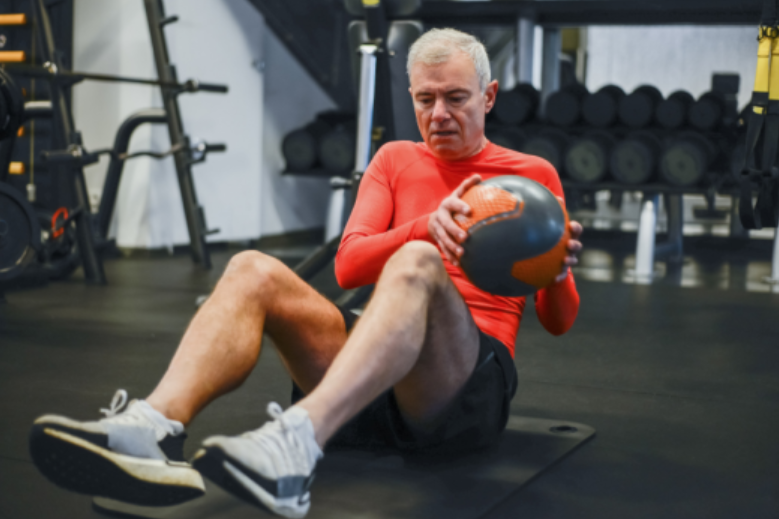
Turning 40 doesn’t mean giving up on fitness or surrendering to aging. On the contrary, this is the perfect time to reassess your relationship with your body and adopt an active lifestyle that promotes longevity, health, and physical independence. Moving regularly, mindfully, and tailoring physical activity to your personal needs is a powerful tool to live better, longer, and with more energy.
This comprehensive guide is designed for anyone who wants to start or resume a journey of physical activity after 40, offering practical advice, expert insights, and a positive outlook on aging. The goal? Not just to fight aging, but to learn how to train smarter, safer, and more personally.
- Why physical activity is essential after 40
- How the body changes after 40
- Recommended activities: safety and effectiveness
- Injury prevention and body awareness
- Fitness, longevity and autonomy: a balanced approach
- Everyday strategies for an active lifestyle
Why physical activity is essential after 40
As we age, staying active becomes a key element of overall well-being. It's not just about burning calories or keeping a good physical shape, but about preserving motor skills, muscle tone, and mental health. Regular exercise helps reduce the risk of chronic diseases such as hypertension, type 2 diabetes, and osteoporosis—conditions that become more common after 40.
Training consistently also boosts mood, reduces stress, and supports deeper sleep. Those who move every day experience a sense of vitality that counters the negative perception of aging. In other words, physical activity becomes a true form of preventive medicine, capable of extending healthy lifespan.
How the body changes after 40
After 40, the body naturally starts to change: muscle mass gradually declines (sarcopenia), bone density decreases, and metabolism slows down. Joints and tendons may also become stiffer, increasing the risk of injury if not trained properly. These changes shouldn't be frightening but understood and addressed with a conscious, customized approach.
It’s crucial to accept that the body has different rhythms compared to your 20s or 30s. Recovery, flexibility, and cardiovascular capacity evolve—but that doesn’t mean giving up movement. Instead, tailor the type and intensity of your workouts to your current abilities. Understanding these mechanisms helps build an effective and sustainable training strategy.
Recommended activities: safety and effectiveness
The ideal activities after 40 are those that combine movement, strength, balance, and endurance, always considering your physical condition. Brisk walking, swimming, Pilates, yoga, and cycling are excellent options to improve cardiovascular health and maintain flexibility and muscle tone. Incorporating functional training or light weights helps combat muscle loss and strengthen bones.
There is no one-size-fits-all sport: the key is to find an activity you enjoy and can do regularly. It’s also important to include core and back health exercises, often overlooked but vital for daily wellness. The approach should be gradual, progressive, and mindful—avoid DIY routines and seek guidance from professionals when possible.
Injury prevention and body awareness
One of the most important aspects of training after 40 is injury prevention. Age brings increased vulnerability, but injuries can be avoided with proper warm-ups, regular stretching, and sufficient recovery time. Every exercise should be performed with correct form and, ideally, under the guidance of a qualified instructor.
Listening to your body becomes a crucial skill. Persistent pain, excessive fatigue, or signs of strain shouldn’t be ignored. Consistent training doesn’t mean pushing limits, but knowing and respecting them. Body awareness is the best guarantee of safety and long-term progress.
Fitness, longevity and autonomy: a balanced approach
An active body is a body that lives better and longer. Physical activity is one of the most effective tools for promoting healthy longevity, meaning aging while maintaining mobility, independence, and quality of life. It’s not about chasing youth, but building a lasting balance between mind and body.
Countless success stories show that great results are possible even when starting training after 40 or 50. Improving posture, increasing daily energy, and facing life’s challenges with strength and clarity is within reach for everyone. The key is consistency, personalization, and trust in your journey.
Everyday strategies for an active lifestyle
In addition to structured workouts, it’s essential to cultivate an active lifestyle every day. Walk instead of driving, take the stairs, engage in hobbies that involve movement—such as gardening or outdoor walks. These habits, when added together, make a real difference over time.
Health after 40 is built through daily choices: balanced nutrition, quality sleep, stress management, and a strong social network complete the picture. Training means taking care of yourself holistically, to enjoy adulthood full of energy, motivation, and well-being.
Comments (0)