
Trolley
You have no items in your shopping cart

 Budgets
 Dumbers
 Discs
Discs
 Benches
 Racks and Rigs
 Weights Holders
 Isotonic machines
 Calisthenics
 Cardio
 Kettlebells
 Flooring
 Gym Set
 Accessories
 Combat
 ARTI MARZIALI
 CONTAINER GYM
 Tug-Of-War
 Used Gym Equipment
 PILATES MACCHINARI
 GINNASTICA ARTISTICA
 CAMPI DA PADEL
 Prodotti in Pronta Consegna
 Informazioni
 IRONMAN
 Gift Card
- Donatif
- General information
- 0 I like it
- 3050 Views
- 0 comments
READING TIME: 12 MINUTES ➤➤
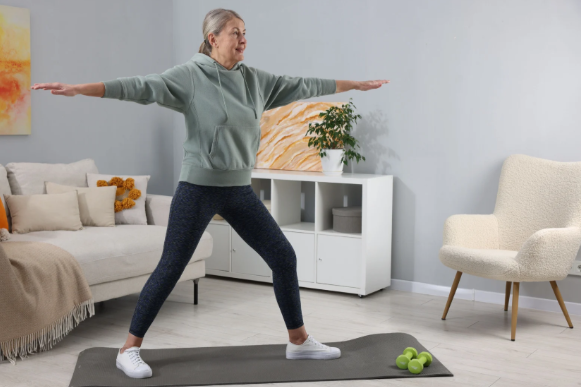
As we age, maintaining an active body becomes essential for preserving independence, stability, and overall physical and mental well-being. Physical activity for people over 60 does not need to be intense or exhausting: on the contrary, low-impact exercises tailored to individual needs can provide enormous benefits without putting excessive strain on the body. This guide is designed to support older adults in building a sustainable, gentle yet effective routine to live each day with more energy and freedom of movement.
You will discover which movements can help improve balance, mobility, and posture, and how to create a realistic and safe weekly routine. The goal? To help you maintain physical independence, strengthen your well-being, and face every day with confidence and peace of mind.
- Why staying active after 60 is important
- Light exercises designed for older adults
- Improving mobility and balance: a top priority
- Recommended weekly routine for people over 60
- Practical tips to get started and stay consistent
Why Staying Active After 60 Is Important
The Physical Benefits of Regular Exercise
After the age of sixty, the body naturally tends to lose muscle mass, strength, and flexibility. However, dedicating time to moderate and consistent physical activity helps counteract these physiological changes. Even a daily walk, gentle exercises, or some stretching can help keep the joints mobile and support proper posture.
In addition, movement stimulates circulation, regulates blood pressure, and contributes to a healthier metabolism. Even those who have never practiced sports can start gradually: the important thing is to choose activities suited to one’s fitness level and remain consistent over time.
Positive Impact on Mental Health and Quality of Life
It is not only the body that benefits from physical activity: the mind benefits as well. Regular movement reduces stress levels, helps fight mild depression, and improves mood thanks to the production of endorphins. Exercise also stimulates cognitive functions and supports memory.
For people over 60, a movement routine can also become an opportunity for social interaction, especially when practiced in groups. All of this has a direct impact on quality of life and overall well-being.
Light Exercises Designed for Older Adults
Characteristics of Low-Impact Physical Activity
Low-impact exercises are specifically designed to minimize stress on the joints and spine. These are gentle, controlled movements, often performed using body weight or simple equipment. Such exercises are ideal for individuals with mobility limitations, arthritis, or anyone who wants to stay active safely.
The most suitable activities include gentle Pilates, static stretching, postural exercises, and some light forms of yoga. Swimming and walking also perfectly fit into this category, as long as they are performed regularly.
How to Choose a Routine That Fits Your Needs
Every body is different and has specific needs. Before starting any physical activity, it is advisable to consult a physiotherapist or an instructor experienced in exercise for older adults. The goal is to create a balanced plan that takes into account individual mobility levels, possible health conditions, and personal preferences.
A good routine should include exercises aimed at improving flexibility, muscular strength, and balance. Alternating more active days with recovery periods is essential to avoid overloading the body and to maintain motivation.
Improving Mobility and Balance: A Top Priority
Strategies to Strengthen Stability and Prevent Falls
As we age, body stability tends to decrease, increasing the risk of falls, one of the main causes of loss of independence. Practicing balance regularly helps maintain a stable center of gravity, quicker motor responses, and greater confidence in movement. Activities such as standing balance exercises (balancing on one leg), exercises with unstable cushions, or walking in a straight line are simple yet highly effective.
The goal is not athletic performance, but rather prevention and safety. Strengthening the muscles of the legs, core, and back also helps support the body more efficiently and naturally in everyday life.
Exercises for Joints, Posture, and Coordination
Many gentle exercises focus on joints such as the shoulders, hips, knees, and ankles, which are often affected by stiffness. Small circular movements, controlled raises, and gentle swings help improve joint mobility and reduce discomfort or movement limitations. Working on posture is equally important to prevent imbalances and chronic muscular tension.
Incorporating coordination exercises — such as moving the arms and legs in sync — also stimulates the brain, improving attention and motor control. Just a few minutes per day are enough to start noticing positive changes.
Recommended Weekly Routine for People Over 60
Light and Functional Daily Activities
A weekly routine for people over 60 should not be rigid, but flexible and enjoyable. It may include 20–30 minutes of brisk walking, balance exercises, mobility work, and breathing exercises spread across 4 or 5 days. Activities such as gardening, light dancing, or simple seated exercises can also be part of the routine.
It is important that the routine engages the body in a complete way, alternating work on strength, mobility, and balance. There is no need to go to a gym: with a stable chair, an exercise mat, and proper guidance, it is entirely possible to exercise safely at home.
Ideal Duration, Intensity, and Frequency
To achieve benefits, physical activity should be regular but properly calibrated: it is recommended to exercise at least 3 times per week, with sessions lasting 20–40 minutes. The intensity should be enough to stimulate circulation and muscles while always respecting personal limits. It is completely normal to start slowly and progressively increase duration or repetitions.
The secret lies in consistency. Fifteen minutes every day are better than one hour only once a week. Over time, the body will respond positively, improving muscle tone, balance, and overall energy levels.
Practical Tips to Get Started and Stay Consistent
How to Exercise Safely at Home or Outdoors
Starting an exercise routine may seem difficult, but small adjustments can transform it into a pleasant habit. Make sure you have a safe, well-lit, and obstacle-free space. Use non-slip mats, comfortable shoes, and, if necessary, support yourself with a chair or a wall during exercises.
Exercising outdoors, perhaps in a park, can also provide psychological benefits thanks to contact with nature. In any case, it is essential to listen to your body: never force a movement that causes pain or excessive fatigue.
Motivation, Progress, and Listening to Your Body
Maintaining motivation over time is often the greatest challenge. It can help to set small weekly goals, keep a progress journal, or share the activity with a partner or a group. Following guided video tutorials or online classes can also make training more engaging.
The key word is awareness: there is no need to overdo it, but rather to listen to the body, recognize its signals, and reward it with the right movement. With consistency and patience, physical activity will become a source of pleasure and a key to living an active, independent, and peaceful life even after the age of 60.
Comments (0)