
Trolley
You have no items in your shopping cart

 Budgets
 Dumbers
 Discs
Discs
 Benches
 Racks and Rigs
 Weights Holders
 Isotonic machines
 Calisthenics
 Cardio
 Kettlebells
 Flooring
 Gym Set
 Accessories
 Combat
 ARTI MARZIALI
 CONTAINER GYM
 Tug-Of-War
 Used Gym Equipment
 PILATES MACCHINARI
 GINNASTICA ARTISTICA
 CAMPI DA PADEL
 Prodotti in Pronta Consegna
 Informazioni
 IRONMAN
 Gift Card
- Donatif
- General information
- 0 I like it
- 2073 Views
- 0 comments
- weight loss, self-esteem, body composition, cellulite
READING TIME: 5 MINUTES ➤➤
Cellulite: Effective Strategies to Reduce It Naturally
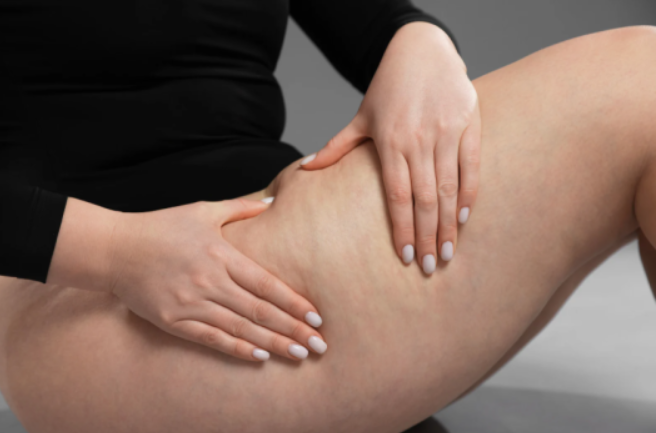
Cellulite is a skin condition that affects millions of women worldwide, regardless of age or body type. Although it is not a medical issue, its aesthetic impact can significantly influence self-esteem and psychological well-being. The good news is that there are natural, scientifically validated approaches to visibly improve its appearance. In this in-depth guide, we’ll explore the real causes of cellulite, key risk factors, and the most effective strategies — from diet to exercise — to reduce it sustainably and safely.
Understanding the origins and mechanisms of cellulite is the first step to addressing it consciously. We’ll examine how lifestyle, body composition, and everyday choices can make a difference. No miracle promises — just evidence-based solutions for those who want to care for their bodies without invasive procedures.
- What is cellulite and why it develops
- Risk factors and body composition connection
- Diet and cellulite: what really helps
- Physical activity and fat-burning strategies
- Natural, non-invasive approaches: scientific evidence
- Conclusion: practical and sustainable tips
What is cellulite and why it develops
Cellulite — or edematous-fibrosclerotic panniculopathy — is a condition involving subcutaneous tissue, where microcirculation is altered and fluids and fats accumulate between cells. This process results in the characteristic "orange peel" appearance of the skin, especially in areas like thighs, buttocks, hips, and abdomen. It’s not just about body fat, but a more complex alteration involving connective tissue structure and local inflammation.
Its onset is tied to multiple factors: genetic predisposition, hormones, a sedentary lifestyle, poor eating habits, stress, and even the type of clothing worn can worsen the condition. It's important to understand that even thin individuals can develop cellulite because it involves mechanisms beyond just fat accumulation.
Risk factors and body composition connection
Body composition plays a fundamental role in the development and visibility of cellulite. A high percentage of body fat, especially in predisposed areas, can worsen the skin’s appearance. However, it's not just the amount that matters, but also fat distribution and the ratio of lean mass to fat mass.
A slowed metabolism, typical of sedentary lifestyles or repeated crash diets, promotes fat accumulation and makes fat loss more difficult. Muscle tone also matters: toned muscles support the skin tissue better and improve the visual appearance of cellulite. Therefore, improving body fat percentage through targeted strategies is a key goal.
Diet and cellulite: what really helps
A balanced diet is one of the most effective tools for preventing and treating cellulite. Reducing systemic inflammation, stimulating fluid drainage, and supporting metabolism are goals achieved through conscious food choices. Antioxidant-rich foods like seasonal fruits and vegetables, along with lean proteins, healthy fats (especially omega-3s), and whole grains form the foundation of an anti-cellulite nutritional plan.
At the same time, it’s essential to reduce or avoid excess simple sugars, sodium, alcohol, and trans fats — all of which contribute to water retention and tissue inflammation. This isn't about “miracle diets,” but a sustainable approach that respects female physiology, promoting gradual weight loss and reduction of excess body fat.
Physical activity and fat-burning strategies
Exercise is a powerful ally in the fight against cellulite. Combining cardiovascular workouts with muscle-toning exercises helps stimulate circulation, promote lymphatic drainage, and effectively burn fat. Brisk walking, light running, swimming, and cycling are great starting points, especially when done consistently.
Resistance training, especially exercises targeting the glutes, legs, and core, helps increase muscle mass and improve tissue firmness, creating a visibly smoother skin texture. The goal is not just fat loss, but a transformation in body composition that makes the skin look firmer and more even. Stretching, yoga, and stress-reducing activities also help by lowering cortisol levels — a hormone linked to water retention and fat accumulation.
Natural, non-invasive approaches: scientific evidence
Many women seek natural remedies to combat cellulite, hoping to avoid invasive treatments or drugs. Fortunately, scientific research has confirmed the effectiveness of several “gentle” methods that, when combined with a healthy lifestyle, can yield visible results. Lymphatic drainage massages, dry brushing, and topical applications with natural active ingredients (like caffeine, centella asiatica, and butcher’s broom) can improve microcirculation and reduce excess interstitial fluids.
Low-impact technologies like radiofrequency or focused ultrasound, while not strictly natural, are considered non-invasive and are backed by clinical studies. The key remains consistency: no single strategy works in isolation, but it is the integration of balanced nutrition, regular exercise, and targeted treatments that brings about real and lasting change.
Conclusion: practical and sustainable tips
Approaching cellulite with awareness means letting go of quick-fix solutions and embracing a lifestyle centered on overall wellness. Every woman has her own genetics and metabolism: respecting them is the first step in taking care of the body in a healthy way. Reducing body fat, improving body composition, and strengthening tissues through physical activity are efforts that take time, but lead to clear benefits not just in appearance, but in health as well.
Finally, it’s essential to remember that cellulite is not a flaw, but a common condition. True transformation begins with self-acceptance and is fueled by mindful choices: eating well, moving with pleasure, staying hydrated, sleeping enough, and reducing stress. This way, every change becomes sustainable, natural, and deeply personal.
Comments (0)