
Trolley
You have no items in your shopping cart

 Budgets
 Dumbers
 Discs
Discs
 Benches
 Racks and Rigs
 Weights Holders
 Isotonic machines
 Calisthenics
 Cardio
 Kettlebells
 Flooring
 Gym Set
 Accessories
 Combat
 ARTI MARZIALI
 CONTAINER GYM
 Tug-Of-War
 Used Gym Equipment
 PILATES MACCHINARI
 GINNASTICA ARTISTICA
 CAMPI DA PADEL
 Prodotti in Pronta Consegna
 Informazioni
 IRONMAN
 Gift Card
- Donatif
- General information
- 0 I like it
- 1845 Views
- 0 comments
- gym flooring, safety flooring, gym safety, shock-absorbing materials
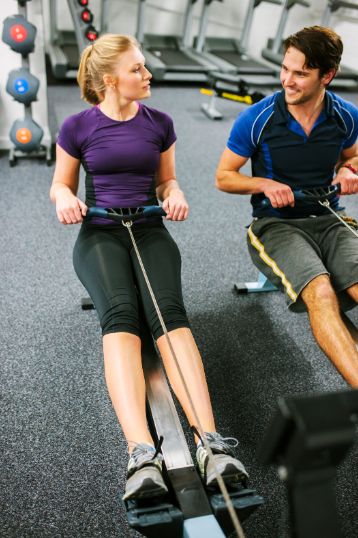
How to Choose the Right Rowing Machine for Home: A Practical 7-Step Guide
Choosing a rowing machine for home may seem simple at first. A quick online search reveals compact, foldable, magnetic, water, and air rowing machines, with more or less advanced displays and very different price ranges. The real challenge is not finding an available machine, but understanding which one truly fits your space, lifestyle, and long-term training habits.
For a parent, a busy worker, or anyone living in a smaller apartment, the deciding factor is not performance alone. What really matters includes actual footprint, ease of movement, noise level, stability, seat comfort, and whether the price matches the intended use. This guide helps evaluate a rowing machine with a practical method, making the decision clearer and more confident.
Evaluate the Available Space Before Buying
The first step in understanding how to choose a rowing machine is measuring the real space where it will be used, not just where it will be stored. A rowing machine may appear compact when folded or stored vertically, but during training it requires enough length for full leg extension and adequate room around the body. Before purchasing, it is important to measure floor space, distance from furniture and walls, door clearance, and the room needed to get on and off comfortably.
Anyone searching for the best rowing machine for home should not rely only on the “space-saving” label. It is useful to check the dimensions when open and folded, the presence of transport wheels, and the overall weight of the machine. If the rower must be moved after every workout, a model that is too heavy or awkward to tilt may quickly become a daily inconvenience. In a small home, practicality is almost as important as rowing quality.
Understand Which Resistance Type Fits Home Use Best
Resistance determines the feel of the rowing stroke. Magnetic rowing machines are often preferred for home environments because they tend to be smooth, easy to adjust, and generally quieter. Air rowers provide a more progressive response that feels intense and dynamic, but they can also be noisier. Water rowers deliver a fluid and realistic sensation, although they usually require more attention in terms of space, weight, and maintenance.
For beginners or anyone looking for consistent training without complications, the best choice is usually the one that combines smooth movement, simplicity, and manageable resistance. There is no need to chase the most advanced system if the goal is simply to stay active at home a few times a week. It is more useful to consider how often the rower will be used, how intense the workouts will be, and how many people will use it. These answers help avoid both underpowered products and unnecessarily expensive purchases.
Consider Noise, Vibrations, and Living Conditions
The issue of rowing machine noise is especially important for people living in apartments, training early in the morning or late at night, or sharing their home with children, partners, or roommates. Noise does not depend only on the resistance system, but also on rail quality, seat movement, frame stability, and how the machine rests on the floor. Even a relatively quiet resistance system can produce unpleasant vibrations if the frame is unstable.
To reduce disturbances, it is useful to place the machine on an anti-vibration mat, especially on hard flooring or in buildings with sensitive structures. Rowing technique also matters: abrupt movements, uncontrolled returns, and heavy impacts increase both noise and vibration. Before purchasing, it is wise to review the available technical specifications, check whether the manufacturer provides noise-related information, and carefully evaluate overall build quality.
Check Comfort, Posture, and Ease of Use
A home rowing machine should be comfortable enough to encourage regular use. The seat, footrests, handle, and carriage movement influence the experience far more than many people expect. A seat that is too rigid, difficult foot adjustments, or an inconsistent pulling motion can quickly make workouts unpleasant, especially for beginners. Comfort is therefore not just an aesthetic detail, but a practical purchasing criterion.
Proper posture should allow a natural rowing motion where legs, torso, and arms work together smoothly and without strain. Taller users should pay attention to rail length and maximum leg extension, while frequent users should prioritize stability and fluid movement. A machine that is easy to use lowers the mental barrier to starting workouts and makes it easier to turn the purchase into a long-term fitness habit.
Verify Structure, Stability, and Maximum User Weight
The structure of a rowing machine says a lot about its reliability. A solid frame, balanced supports, and durable materials help keep the machine stable even during more intense rowing sessions. Maximum user weight should not be seen only as a limit for the athlete, but also as an indicator of overall sturdiness. A higher capacity often means better durability and long-term reliability.
For frequent home use, it is important to inspect moving components such as the rail, rollers, belt, chain, or pulling system. A rower that creaks, shifts sideways, or loses smoothness after a short period can quickly become a disappointing purchase. The ideal choice balances compact dimensions and solid construction without sacrificing too much quality just to save a few inches of space.
Evaluate Console Features and Useful Programs
The console can help make training more engaging, but it should not become the main purchasing criterion. For most home users, useful metrics include time, distance, strokes per minute, estimated calories, and resistance level. These data points help track progress without making the experience unnecessarily complicated. More advanced features may be appealing, but they are valuable only if they will actually be used.
Anyone who feels uncertain should avoid spending significantly more for programs that do not match their real habits. If the goal is simple, consistent, and practical training, a clear and intuitive display is often enough. The real difference comes from regularity, comfort, and ease of use. Even the most advanced console cannot compensate for a noisy, uncomfortable, or inconvenient machine.
Compare Budget, Quality, and Long-Term Value
The price of a rowing machine should always be evaluated in relation to how it will be used. If the machine will be used occasionally, a simple but stable model may be enough. If it is expected to become part of a weekly routine, investing in a sturdier structure, smoother rowing motion, and more reliable components makes more sense. The goal is not to buy the most expensive option, but to avoid purchasing a cheap machine that ends up unused because it is uncomfortable or impractical.
To overcome doubts about whether the investment is worth it, it helps to think in terms of cost per use. A slightly more expensive rower used three times a week may provide more value than a cheaper model left unused in a corner. The right decision comes from balancing budget, space, quiet operation, stability, and consistency of use. These are the factors that truly help make a smart choice.
Before Buying: Final Checklist
Before completing the purchase, it is useful to do one final practical check. The rowing machine should fit both when open and folded, be easy to move when necessary, and suit the times of day when workouts will take place. If you live in an apartment, noise should be considered immediately, perhaps by using a mat and positioning the machine away from shared walls or sensitive areas of the home.
The decision becomes much easier when based on real living conditions rather than abstract product comparisons. A good home rowing machine is one that you genuinely enjoy using, that does not disrupt daily life, and that supports consistent training over time. By evaluating space, resistance, noise, comfort, stability, features, and budget in the right order, it becomes much easier to avoid buying the wrong machine and make a more informed, practical, and sustainable choice.
Comments (0)