
Trolley
You have no items in your shopping cart

 Budgets
 Dumbers
 Discs
Discs
 Benches
 Racks and Rigs
 Weights Holders
 Isotonic machines
 Calisthenics
 Cardio
 Kettlebells
 Flooring
 Gym Set
 Accessories
 Combat
 ARTI MARZIALI
 CONTAINER GYM
 Tug-Of-War
 Used Gym Equipment
 PILATES MACCHINARI
 GINNASTICA ARTISTICA
 CAMPI DA PADEL
 Prodotti in Pronta Consegna
 Informazioni
 IRONMAN
 Gift Card
- Donatif
- General information
- 0 I like it
- 3833 Views
- 0 comments
READING TIME: 10 MINUTES ➤➤
Reducing salt consumption is a choice that can deeply impact our daily well-being and help prevent numerous chronic diseases. For people over forty, learning to limit sodium intake without compromising the taste of meals represents a concrete step toward a healthier lifestyle. This article will guide you through the risks, benefits, and practical solutions for abandoning harmful habits and rediscovering flavorful yet balanced cooking.
- Why it is important to limit salt consumption
- Salt and high blood pressure: a connection not to underestimate
- Water retention: what salt has to do with it
- Practical strategies to reduce salt in the diet
- How to add flavor to dishes without using salt
- Reducing salt: benefits you can actually feel
Why it is important to limit salt consumption
The role of sodium in the body
Sodium is an essential mineral that regulates many vital functions, including fluid balance and nerve impulse transmission. However, when consumed in excessive amounts, it can become a health risk factor. The body needs only a small amount of sodium to function properly, yet the modern diet often contains three times more than necessary.
Sodium is especially abundant in packaged foods, industrial baked goods, and ready-made meals. Without realizing it, many people exceed the daily limit recommended by the World Health Organization, exposing themselves to significant cardiovascular and kidney-related consequences.
Excessive consumption: health risks
Excess salt intake has been linked to a higher incidence of hypertension, stroke, kidney disease, and osteoporosis. In particular, high blood pressure represents one of the most dangerous risks: often silent, it can gradually damage arteries, the heart, and the brain over time. For this reason, reducing sodium intake is a key long-term prevention strategy.
Many studies confirm that a moderate-sodium diet provides noticeable benefits even in the short term: better blood pressure regulation, reduced bloating, and lighter digestion. It is a change worth considering, especially after the age of forty.
Salt and high blood pressure: a connection not to underestimate
How sodium affects blood pressure
When we consume too much sodium, the body retains more water in order to dilute it, increasing blood volume. This effect contributes to raising blood pressure, forcing the heart to work harder. In predisposed individuals, hypertension can appear even at a young age and worsen over time.
Reducing salt intake can lower blood pressure within just a few weeks. It is a direct and concrete action, effective in mild to moderate cases to a degree comparable to some pharmaceutical interventions. A simple dietary change with a major impact.
Who is at greater risk: people over 40 and predisposed individuals
After the age of forty, blood vessels tend to lose elasticity and metabolism changes. This makes the body more sensitive to the negative effects of sodium. Additionally, people with a family history of hypertension, excess weight, or a sedentary lifestyle face a higher risk.
For these individuals, reducing salt is not just a healthy choice, but a necessity. Taking preventive action can help avoid future medication and improve long-term quality of life.
Water retention: what salt has to do with it
Mechanisms of water retention and triggering factors
Water retention occurs when the body holds excess fluids in the tissues, causing swelling, heaviness, and increased volume, especially in areas such as the legs and ankles. Sodium is one of the main contributors to this phenomenon because it causes the body to retain water at the cellular level.
Other contributing factors may include hormones, prolonged static posture, and lack of physical activity. However, among all possible causes, nutrition plays a crucial role. Reducing salt intake is one of the most effective strategies to relieve these symptoms.
Salt and bloating: why reducing it helps
Eliminating excess sodium can restore a feeling of lightness within just a few days. People who start a low-sodium diet often report a reduction in abdominal and limb bloating, with visible improvements even from an aesthetic perspective.
For those struggling with water retention, it is advisable to drink plenty of water, increase the intake of potassium-rich foods such as bananas, spinach, and avocados, and drastically reduce processed foods. These small steps improve fluid balance and overall vitality.
Practical strategies to reduce salt in the diet
Reading labels and making conscious choices
Salt is often hidden in unexpected products. Learning to read nutrition labels is the first step toward reducing daily sodium intake. A food is considered low in salt if it contains less than 0.3g of sodium per 100g.
Pay attention to packaged bread, processed meats, aged cheeses, industrial snacks, and ready-made sauces: these are among the main contributors to excessive salt intake in the daily diet. Choosing reduced-sodium versions or preparing more meals at home allows for greater control.
Limiting ultra-processed and sodium-rich foods
Ready-made and ultra-processed foods are designed to have a strong and satisfying flavor thanks to salt, sugar, and fat. Reducing their consumption not only lowers sodium intake, but also improves overall dietary quality.
Replacing packaged meals with fresh, home-cooked alternatives is a habit that, besides being healthier, can also become enjoyable. Awareness is the key to transforming one’s relationship with food.
How to add flavor to dishes without using salt
Herbs and spices: allies in the kitchen
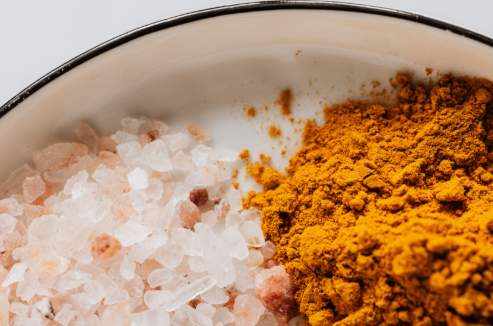
A whole world of flavors can replace salt without making you miss it. Fresh or dried herbs such as rosemary, sage, thyme, oregano, and basil add depth and aroma to meals. Spices such as turmeric, paprika, pepper, curry, ginger, and cumin also provide a wide variety of intense and healthy flavors.
Experimenting with spice blends allows people to rediscover the pleasure of cooking and diversify recipes. Every dish can be reinterpreted with new flavor profiles, without the need for excess salt.
Other natural and flavorful seasonings
Lemon, apple cider vinegar, balsamic vinegar, low-sodium soy sauce, and nutritional yeast are excellent alternatives for adding savory flavor to dishes. Fermented vegetables and homemade vegetable broths can also enrich flavor without burdening meals with sodium.
With a little creativity, it is possible to prepare recipes full of flavor yet light and health-friendly. This is an approach that changes the perception of food and enhances its natural qualities.
Reducing salt: benefits you can actually feel
More energy, less bloating
Many people notice changes after just a few days: a greater feeling of lightness, improved digestion, and less water retention. Some also report better sleep and improved concentration. These signs demonstrate that the body responds positively to a more balanced sodium intake.
Feeling physically better also brings greater motivation to maintain healthy habits, creating a positive cycle between dietary choices and quality of life.
Long-term prevention: heart, kidneys, and overall well-being
Beyond the immediate benefits, reducing salt is a true form of silent prevention. It protects the heart, reduces the burden on the kidneys, and slows inflammatory processes often associated with aging. It is a simple choice that has a long-term impact on the future.
For people over forty, paying attention to salt is not a sacrifice, but an investment. A way to live more consciously without giving up flavor and the pleasure of sharing meals.
Comments (0)