
Trolley
You have no items in your shopping cart

 Budgets
 Dumbers
 Discs
Discs
 Benches
 Racks and Rigs
 Weights Holders
 Isotonic machines
 Calisthenics
 Cardio
 Kettlebells
 Flooring
 Gym Set
 Accessories
 Combat
 ARTI MARZIALI
 CONTAINER GYM
 Tug-Of-War
 Used Gym Equipment
 PILATES MACCHINARI
 GINNASTICA ARTISTICA
 CAMPI DA PADEL
 Prodotti in Pronta Consegna
 Informazioni
 IRONMAN
 Gift Card
- Donatif
- General information
- 0 I like it
- 1127 Views
- 0 comments
- gym flooring, safety flooring, gym safety, shock-absorbing materials
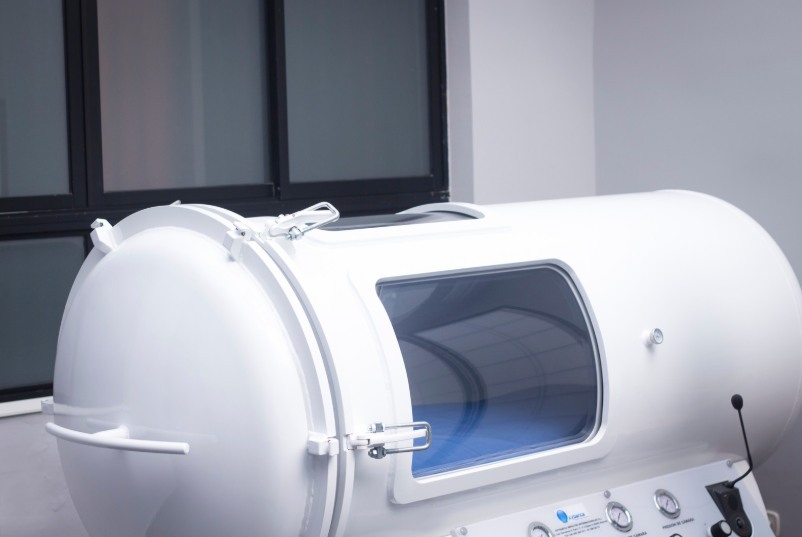
How to Use a Hypoxic Chamber: A Beginner’s Guide
When people hear about a hypoxic chamber for training, it is easy to imagine a complex technology reserved exclusively for professional athletes. In reality, those approaching this tool for the first time often discover an experience that is much more intuitive than expected. Curiosity usually stems from a desire to understand how training in simulated altitude conditions can be incorporated into a sports preparation program without disrupting existing routines.
Understanding how to use a hypoxic chamber begins with visualizing the process in a simple and practical way. The goal of this guide is to provide a high-level introductory overview, without delving into specific protocols or advanced operational instructions, helping athletes, coaches, and sports enthusiasts become familiar with the concept and the overall experience.
What to Expect from Your First Experience in a Hypoxic Chamber
For beginners, the first impression is often different from what they expected. A hypoxic chamber is an environment designed to simulate altitude conditions by reducing the availability of oxygen in the air in a controlled manner. From the user's perspective, however, the experience can feel surprisingly normal: you enter the dedicated space, receive the necessary guidance, and carry out the planned activities within a monitored environment.
Many people fear that using a hypoxic chamber requires specialized technical knowledge or difficult procedures. In reality, introductory sessions are generally designed to allow for a gradual and comfortable introduction. This helps transform what may seem like a distant and highly technical technology into a familiar tool, allowing users to focus on the experience rather than the complexity of the environment.
How a Session Typically Works
A typical experience begins with a preparation phase during which the context and goals of the session are defined. The user then enters the hypoxic environment and carries out the activities outlined in the program. The focus is not on managing the technical aspects of the facility but rather on performing the planned training or activities.
From a practical perspective, the process is often much more straightforward than people imagine. Athletes follow the provided instructions, complete their session, and then return to normal environmental conditions. This simplicity helps make the hypoxic chamber an accessible tool even for those who are completely new to simulated altitude training.
Why the Experience Is Simpler Than Many People Expect
The technological complexity behind a hypoxic chamber does not necessarily translate into greater difficulty for the end user. Much of the management and control takes place behind the scenes, allowing athletes to focus primarily on their training activities.
This characteristic is particularly important for curious athletes who want to explore new training methods without feeling overwhelmed by technical procedures. Understanding that the environment is organized and controlled helps reduce initial hesitation and encourages a more open approach to this type of experience.
What You Can Do During a Training Session
The idea that a hypoxic chamber is intended only for highly specialized exercises is quite common. In reality, the environment can accommodate a variety of activities that align with athletic preparation goals and the user's level of experience.
The way a hypoxic chamber is used can vary depending on the facility, the available equipment, and the planned program. What distinguishes the experience is not necessarily the exercise itself, but the fact that it takes place within a controlled atmospheric environment.
The Most Common Activities Performed by Athletes
Activities frequently associated with hypoxic training include cardiovascular exercise, aerobic work, and sessions focused on endurance development. Depending on the setting, treadmills, stationary bikes, or other athletic training equipment may be used.
The purpose of this overview is not to define specific protocols but to help readers understand that the practical experience remains familiar in many ways. People entering a hypoxic chamber continue to perform recognizable activities, simply within an environment designed to simulate conditions that differ from everyday surroundings.
How Training Integrates with Regular Athletic Preparation
For many athletes and coaches, one of the most interesting aspects is how hypoxic training can be integrated into an existing training program. Training in a hypoxic environment is not necessarily viewed as a completely separate discipline but rather as a potential complement to standard preparation methods.
This continuity makes the process easier to understand and less intimidating. Users can view the hypoxic chamber as an additional tool within a broader athletic development strategy rather than as something entirely disconnected from their everyday training routine.
The Role of Control and Monitoring
One of the main factors that builds user confidence is the presence of systems dedicated to controlling and managing the environment. Knowing that monitoring procedures are in place helps alleviate many of the concerns often associated with this technology.
The perception of safety also comes from understanding that the environment is not left to chance. Altitude simulation is achieved through carefully managed parameters that are monitored according to the standards established by the facility providing the service.
How the Hypoxic Environment Is Managed
The environment is maintained through systems designed to regulate atmospheric conditions within the chamber. From the user's perspective, this means being able to train in a structured setting designed to ensure consistency throughout the experience.
The technology largely operates in the background. Users do not need to understand every technical detail to benefit from the experience and become familiar with the concept of simulated altitude training.
Why Supervision Contributes to a Safe Experience
The presence of qualified professionals and structured procedures plays an important role when approaching a new training methodology. Knowing that the experience takes place within an organized framework helps create a sense of confidence and reassurance.
This aspect is particularly valuable for first-time users. Reducing uncertainty allows individuals to focus on learning and discovering the potential benefits of the tool rather than being distracted by concerns about perceived complexity.
How Adaptation Develops Over Time
Another topic that often generates interest is what happens after the initial sessions. Many users want to understand whether there is a progression and how familiarity with the hypoxic environment develops over time.
The general principle is gradual adaptation. The experience is usually viewed as a process that evolves progressively, allowing users to become increasingly comfortable with the methodology.
From the First Sessions to Long-Term Progression
The first experiences often serve an introductory purpose. The goal is to help users understand the environment, become familiar with the sensations involved, and learn how training sessions are organized within the facility.
As time goes on, the program may become more structured depending on individual goals. This progression helps transform initial curiosity into a deeper understanding of the opportunities offered by hypoxic training.
Why Gradual Progression Is Essential
Gradual progression is one of the most important concepts for anyone approaching this technology. Knowing that it is not necessary to understand everything immediately makes the experience more accessible and psychologically manageable.
For this reason, many people quickly move from uncertainty to familiarity. Understanding the process step by step helps build confidence and encourages users to see the hypoxic chamber as a tool that can be integrated into their athletic development journey.
What Goals Can a Hypoxic Chamber Support?
The growing interest in hypoxic chambers is primarily linked to their use in athletic preparation. Athletes and coaches explore these tools because of their potential contribution to endurance-focused programs and physiological adaptation strategies.
It is important to remember that objectives can vary depending on the sport, the athlete's level, and the overall training plan. For this reason, the experience is typically integrated into a broader performance strategy.
Endurance, Preparation, and Physiological Adaptation
Among the topics most commonly associated with hypoxic training are altitude preparation, endurance development, and support for the body's adaptation processes. These factors help explain the increasing interest in this technology across a wide range of sports disciplines.
Understanding these potential benefits is often the starting point for further exploration, helping athletes and coaches determine where and how this approach may fit within their specific objectives.
When It Makes Sense to Explore More Advanced Protocols
After gaining a general understanding of the experience, many users begin exploring more detailed content related to training protocols, program design, and applications across different sports. This step usually occurs only after developing a sufficient level of familiarity with the concept.
Understanding how to use a hypoxic chamber at an introductory level is therefore the first step toward approaching more advanced topics with greater confidence and awareness. Once the initial perception of complexity is overcome, the technology becomes more approachable, understandable, and easier to integrate into an athletic training program.
Comments (0)