
Trolley
You have no items in your shopping cart

 Budgets
 Dumbers
 Discs
Discs
 Benches
 Racks and Rigs
 Weights Holders
 Isotonic machines
 Calisthenics
 Cardio
 Kettlebells
 Flooring
 Gym Set
 Accessories
 Combat
 ARTI MARZIALI
 CONTAINER GYM
 Tug-Of-War
 Used Gym Equipment
 PILATES MACCHINARI
 GINNASTICA ARTISTICA
 CAMPI DA PADEL
 Prodotti in Pronta Consegna
 Informazioni
 IRONMAN
 Gift Card
- Donatif
- General information
- 0 I like it
- 1255 Views
- 0 comments
- stress reduction, improved self-esteem, physical and mental well-being, gym training
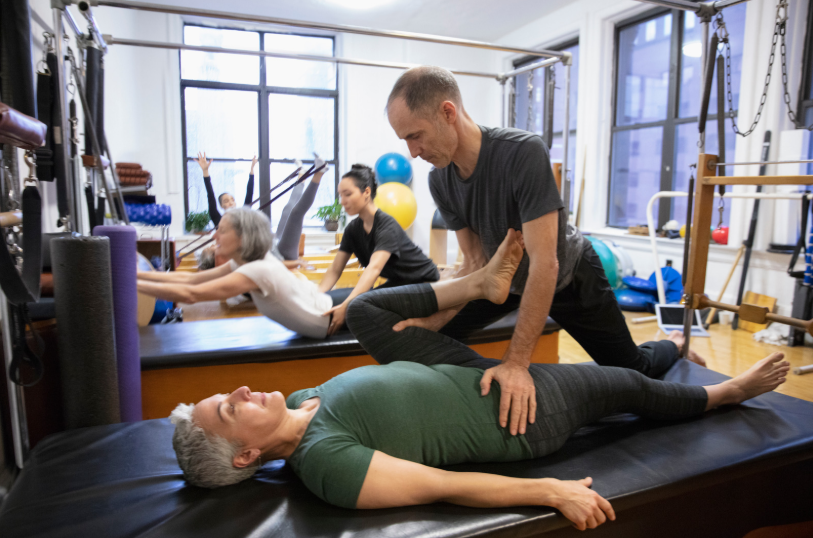
READING TIME: 4 MINUTES ➤➤
Opening or managing a space dedicated to movement and health today requires a much deeper level of awareness than in the past. The distinction between a private gym and a rehabilitation center is not merely terminological; it represents a clear separation from a regulatory, fiscal, and operational standpoint. Understanding this difference is essential to avoid mistakes that can turn into penalties, business interruptions, or significant legal liabilities.
Many fitness professionals, especially in the world of micro gyms and personal training, operate in a gray area where the risk of crossing into the healthcare sector is very real. This article clearly and authoritatively explains the differences, helping you choose the correct legal framework for your business.
- Legal classification
- ATECO codes
- Authorization requirements
- Professional roles
- Services offered
- Choosing the right framework
Legal classification: two completely different activities
The first distinction to clarify concerns the very nature of the activity. A private gym falls within the sports and recreational sector, while a rehabilitation center is, in all respects, a healthcare facility. This difference entails completely different obligations in terms of regulations and authorizations.
In the Italian context, the law is very clear: any activity with therapeutic or rehabilitative purposes falls within the healthcare sector. This means that simply changing communication or services is not enough to shift categories; strict requirements set by regional health authorities must be met.
Sports activity vs healthcare activity
Sports activity is aimed at improving physical fitness, performance, and overall well-being. It has no therapeutic purpose and does not involve diagnosing or treating medical conditions. This allows for a more streamlined bureaucratic process, while still complying with safety regulations.
On the other hand, healthcare activity focuses on motor rehabilitation and functional recovery following injuries or medical conditions. In this case, every intervention is part of a clinical pathway and requires certified expertise and specific authorizations.
When a gym becomes a healthcare facility
The boundary is crossed when services explicitly claim therapeutic purposes. Terms such as “rehabilitation,” “post-injury recovery,” or “treatment” can bring the activity into the healthcare domain, even if the setup resembles that of a gym.
This transition, often underestimated, is one of the main risks for micro gym owners. Without proper healthcare authorization, this situation may constitute professional misconduct with serious legal consequences.
ATECO codes and fiscal classification
A key element in distinguishing the two activities is the ATECO code, which officially identifies the type of business. Choosing the correct code is not just a fiscal formality but determines the applicable regulatory framework.
Many entrepreneurs underestimate this aspect, ignoring that an incorrect code can invalidate the entire legal structure of the business.
ATECO code for fitness gyms
Gyms generally fall under ATECO codes related to sports activities, such as 93.13.00. This clearly identifies a non-healthcare activity focused on training and physical well-being.
Under this classification, it is not possible to provide rehabilitation services or use terminology and practices typical of physiotherapy. Respecting this boundary is essential to avoid disputes.
ATECO code for physiotherapy and rehabilitation
Physiotherapy and rehabilitation activities fall under ATECO code 86.90.21, which belongs to the healthcare sector. This implies compliance with much stricter regulations, both structurally and organizationally.
In this context, every service must be delivered by licensed healthcare professionals registered with the appropriate boards, under the supervision of competent health authorities.
Authorization and regulatory requirements
The most evident differences emerge when analyzing the authorizations required to operate. A private gym requires relatively simple procedures, whereas a rehabilitation center must follow a complex and rigorous process.
This distinction is one of the key factors to consider during the business planning phase.
Authorizations for a private gym
To open a gym, it is generally sufficient to submit a SCIA (Certified Notification of Start of Activity) to the municipality, while complying with safety, hygiene, and accessibility regulations.
No healthcare authorization is required, provided that no therapeutic activities are carried out. This makes the gym model more accessible for those looking to start a business in the fitness industry.
Authorizations for a rehabilitation center
A rehabilitation center must obtain specific authorizations from the local health authority (ASL) and the region. This includes structural inspections, technological requirements, and the mandatory presence of a medical director.
The process is complex and requires more time and investment. However, it allows the business to operate legally and legitimately within the healthcare sector.
Professional roles and legal responsibility
Another crucial element concerns the professionals involved. The difference between a personal trainer and a physiotherapist is not only about skills but also about legal responsibility and scope of practice.
Confusing these roles is one of the most frequent and dangerous mistakes in the industry.
The role of the personal trainer
The personal trainer operates within the sports sector and focuses on training, prevention, and performance improvement. They cannot diagnose or treat medical conditions.
Their work must always remain within a non-healthcare context, avoiding any overlap with rehabilitation activities.
The role of the physiotherapist and medical director
The physiotherapist is a licensed healthcare professional responsible for motor rehabilitation. They often work under the supervision of a medical director, a mandatory figure in healthcare facilities.
This structure ensures compliance with regulations and patient protection, but also entails greater responsibilities for the business owner.
Operational differences in services offered
From an operational perspective, the differences between a gym and a rehabilitation center are substantial and directly impact the business model.
Understanding these limits is essential to avoid offering unauthorized services.
Fitness training and prevention
In a gym, the focus is on goals such as strength, endurance, and body composition. The approach is preventive and oriented toward overall well-being.
Even when working with individuals who have minor issues, the intervention must remain within the scope of adapted physical activity, without crossing into therapy.
Motor rehabilitation and healthcare treatment
In a rehabilitation center, every intervention is part of a clinical pathway. Work is carried out based on medical prescriptions and with specific therapeutic goals.
This involves structured protocols, healthcare documentation, and direct responsibility for the patient’s recovery.
How to choose the correct framework for your business
The choice between a gym and a rehabilitation center must be made from the outset, based on business objectives and available expertise. It is not possible to improvise or adjust later without consequences.
An initial strategic analysis helps avoid costly mistakes and build a solid and sustainable business.
Common mistakes to avoid
One of the most frequent mistakes is promoting rehabilitation services without having the necessary requirements. Even the use of certain terms can expose the business to inspections and penalties.
Another mistake is collaborating with physiotherapists without properly structuring the activity from a legal standpoint, creating ambiguous situations.
Fiscal and legal implications of your choice
The choice of framework affects taxation, liability, and business development opportunities. A healthcare center has more constraints but also greater opportunities in the clinical field.
A gym, on the other hand, offers greater flexibility and simpler management, but with clear limits on the services provided. Understanding this distinction is the first step toward building a coherent and sustainable project.
Comments (0)