
Trolley
You have no items in your shopping cart

 Budgets
 Dumbers
 Discs
Discs
 Benches
 Racks and Rigs
 Weights Holders
 Isotonic machines
 Calisthenics
 Cardio
 Kettlebells
 Flooring
 Gym Set
 Accessories
 Combat
 ARTI MARZIALI
 CONTAINER GYM
 Tug-Of-War
 Used Gym Equipment
 PILATES MACCHINARI
 GINNASTICA ARTISTICA
 CAMPI DA PADEL
 Prodotti in Pronta Consegna
 Informazioni
 IRONMAN
 Gift Card
- Donatif
- General information
- 0 I like it
- 1581 Views
- 0 comments
- gym flooring, safety flooring, gym safety, shock-absorbing materials
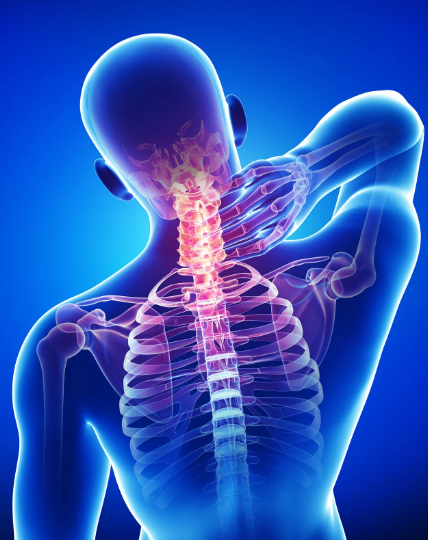
Rowing Machine and Back Pain: Guidelines, Limits and Safe Use
The relationship between the rowing machine and back pain should be approached carefully, especially when lower back pain is already present, recurring, or linked to a previous diagnosis. A rowing machine is a complete cardio workout tool, but it is not automatically suitable for every situation: it involves the legs, hips, core, and arms in one continuous movement pattern, and this continuity requires proper technical control. For beginners training at home, the concern is understandable: movement can help maintain activity levels, but if performed incorrectly it may increase existing tension and discomfort.
Before starting, it is important to distinguish between occasional stiffness and persistent lower back pain, radiating pain, disc-related problems, or known medical conditions. This article does not replace medical evaluation: in the presence of chronic pain, acute episodes, or previous diagnoses, the correct step remains a medical or physiotherapy consultation. The goal is to provide cautious guidelines to understand when a rowing machine may be considered, which limits should be respected, and which warning signs should never be ignored.
When a rowing machine becomes a legitimate concern
Lower back pain, stiffness and fear of making it worse
People searching for information about rowing machine back pain are usually not looking for an extreme answer, but for realistic guidance. The real question is not only “can I use it?”, but rather “under which conditions can I try it without increasing the risk?”. Back pain may come from different causes: sedentary habits, muscular weakness, prolonged posture, overload, joint irritation, or more complex conditions. For this reason, there is no universal rule. If the pain is mild, non-radiating, and already evaluated, controlled movement may be part of a physical activity plan. If the pain is severe, recent, or associated with neurological symptoms, caution should always come first.
Why an evaluation is important before starting
The rowing machine requires coordination between the pelvis, spine, and lower limbs. A person without pain can gradually learn the technique; someone with lower back issues must first understand which movements are tolerated and which trigger discomfort. The opinion of a doctor, physiotherapist, or qualified professional helps distinguish between normal muscular effort and signals that should not be underestimated. This step becomes even more important for people with herniated discs, protrusions, sciatica, previous surgeries, or chronic pain. In these situations, the rowing machine should not be chosen through trial and error, but possibly integrated into a tailored recovery approach.
How the rowing machine affects the lower back
Drive phase, recovery phase and trunk control
During rowing, the lower back does not work alone, but contributes to trunk stability. The movement starts from the legs, continues through controlled hip extension, and ends with arm pulling. If the sequence is correct, the load is distributed more efficiently; if the movement starts from the back, the lumbar area may receive excessive stress. The key concept is trunk control: the spine should neither collapse forward nor hyperextend backward. A neutral posture, low resistance, and moderate rhythm are more suitable conditions for people who want to approach rowing cautiously.
Technical mistakes that may increase discomfort
Many issues do not come from the rowing machine itself, but from using it too aggressively, rigidly, or without coordination. Excessively rounding the back during the recovery phase, pulling with the arms before pushing with the legs, setting very high resistance, or training too long during the first sessions may increase lumbar tension. Even the urge to “feel exhausted” can become counterproductive. For someone with lower back pain, intensity should not be the first goal: technique, movement tolerance, and the absence of worsening symptoms in the following hours should come first.
Practical guidelines for safer use
Adjustment, intensity and initial duration
A cautious approach involves short sessions, low resistance, and attention to movement quality. At the beginning, it may be useful to limit workouts to just a few minutes, with frequent breaks and a steady pace, avoiding sprints or high-intensity intervals. The session should leave a feeling of control, not compression or stiffness. If available, a side mirror or the support of a professional can help monitor trunk positioning. For home gym users, choosing a stable, smooth, and easily adjustable machine may contribute to safer use, although it cannot replace proper technique.
Warning signs that should not be ignored
Pain should never be interpreted as a simple obstacle to push through. If sharp pain, radiating discomfort toward the glute or leg, tingling, weakness, lumbar locking, or progressive worsening appear during rowing, the workout should stop immediately. Even discomfort that increases hours later deserves attention, because it may indicate that the training volume, intensity, or technique is not appropriate. The safest rule is simple: movement may be considered acceptable only if it remains controlled, does not worsen symptoms, and does not trigger a lasting negative reaction.
When to stop and seek professional advice
Situations where medical consultation is a priority
Professional medical advice becomes essential when back pain is acute, recurring, associated with trauma, fever, loss of sensation, severe night pain, or symptoms radiating down the leg. Caution is also necessary in the presence of conditions such as disc herniation, spinal stenosis, spondylolisthesis, or inflammatory disorders. In these cases, asking “is rowing good or bad for my back?” is too generic: the individual, the stage of the condition, tolerance to flexion and extension movements, and motor control capacity all need to be evaluated. Online recommendations alone cannot replace this type of assessment.
The role of physiotherapy during recovery
A physiotherapist can help determine whether the rowing machine is compatible with the recovery process and which adaptations may be necessary. They may suggest preliminary exercises to improve mobility, pelvic stability, core strength, and coordination between hips and spine. They can also recommend safer progressions: starting with movement without resistance, then introducing light work, and only later gradually increasing duration. This approach reduces the risk of misinterpreting body signals. For people afraid of worsening their condition, a guided and adapted exercise plan provides more safety than improvisation.
Making an informed decision before buying
Useful features for more controlled use
When evaluating a rowing machine for home use, especially in the presence of lumbar sensitivity, it is useful to consider frame stability, pulling smoothness, resistance adjustment, and seat comfort. An unstable or poorly sliding machine may make the movement feel unnatural and harder to control. Seat accessibility and foot positioning also affect the perception of safety. No technical feature can make a rowing machine universally “therapeutic,” but a well-designed machine can help maintain a smoother and more predictable movement pattern.
A safe path matters more than rushing
The goal is not to declare that rowing machines are always forbidden or always recommended for people with back pain. The right choice depends on the individual condition, technical execution, progression, and professional guidance when necessary. For beginners worried about making the pain worse, the smartest approach is to start with assessment, then technique, and only afterward focus on intensity. In this way, the rowing machine can be evaluated more objectively, without treating it as either a miracle solution or an unavoidable risk. Before purchasing or using one regularly, it is advisable to choose reliable equipment and, when pain is present, seek advice from a qualified healthcare professional.
Comments (0)