
Trolley
You have no items in your shopping cart

 Budgets
 Dumbers
 Discs
Discs
 Benches
 Racks and Rigs
 Weights Holders
 Isotonic machines
 Calisthenics
 Cardio
 Kettlebells
 Flooring
 Gym Set
 Accessories
 Combat
 ARTI MARZIALI
 CONTAINER GYM
 Tug-Of-War
 Used Gym Equipment
 PILATES MACCHINARI
 GINNASTICA ARTISTICA
 CAMPI DA PADEL
 Prodotti in Pronta Consegna
 Informazioni
 IRONMAN
 Gift Card
- Donatif
- General information
- 0 I like it
- 3451 Views
- 0 comments
READING TIME: 7 MINUTES ➤➤
Weightlifting Flooring: How to Protect the Surface from Impact
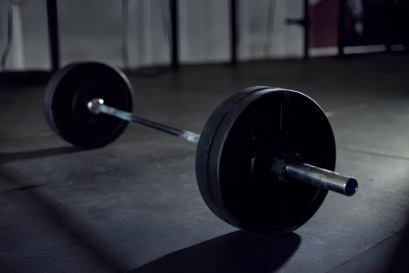
Anyone managing a weight room or a CrossFit box is well aware of the extreme stress that flooring must endure. Heavy loads, repeated drops, and constant physical activity put any surface to the test. Protecting the floor is not just a matter of aesthetics, but above all a matter of safety and functionality.
A suitable floor, designed to withstand impacts, vibrations, and intense compression, is an investment that prevents structural damage, improves the training experience, and protects users’ health. In this article, we’ll explore the key features to look for, the most effective materials, and the criteria for making an informed choice when selecting the ideal flooring for weightlifting areas.
Read also:
- How to Keep Gym Equipment Always Efficient
- Guide to Setting Up a Professional CrossFit Box
- Why It’s Important to Protect Gym Flooring
- Key Features of Weightlifting Flooring
- Types of Flooring for Weight and Functional Areas
- What to Consider When Choosing Gym Flooring
- Investing in Safety and Performance: A Real Advantage
Why It’s Important to Protect Gym Flooring
Structural Damage and Premature Wear
In a weight room, the floor is constantly exposed to heavy impacts, accidental drops of barbells and plates, as well as the static load of equipment. An unsuitable surface can crack, break, or deform quickly, compromising the integrity of the underlying structure. Especially in commercial facilities, repair or replacement costs can be high and negatively impact the business.
A floor designed for weightlifting is made with materials that absorb impacts and distribute weight evenly, preventing damage to slabs or lower levels. It also reduces vibration and noise transmission, improving overall environmental comfort.
Safety Risks for Athletes
Flooring choice also directly affects injury prevention. A slippery, unstable, or overly rigid surface can increase the risk of falls, twists, or joint fatigue. This is especially true for high-intensity activities or heavy lifting, such as powerlifting or functional training.
Ensuring optimal grip and slight shock absorption allows athletes to train safely, maintaining stability even during explosive movements. A good surface thus becomes an integral part of both performance and physical protection.
Key Features of Weightlifting Flooring
Density and Impact Resistance
One of the most important parameters is material density, which determines its ability to withstand heavy loads without deforming. Professional weightlifting floors use vulcanized rubber or other high-density materials capable of absorbing the kinetic energy of a dropped barbell without damage.
Mechanical resistance must be certified to ensure long-lasting durability even in high-traffic, intensive-use environments. This reduces the need for frequent replacements and improves return on investment.
Shock-Absorbing Properties
Beyond resistance, weightlifting flooring must also provide shock-absorbing properties to protect athletes from joint stress and microtrauma. Controlled impact absorption dampens vibrations without compromising stability, offering an excellent base for explosive exercises like squats, cleans, or snatches.
This feature is especially important in CrossFit boxes, where Olympic lifts and dynamic movements are frequent and require a surface that is both reactive and protective.
Grip and Stability During Training
Grip, or foot traction on the surface, is essential for safely performing complex movements with heavy loads. A surface that is too smooth increases the risk of slipping, while one that is too abrasive may be uncomfortable or damage equipment.
The best shock-absorbing floors strike a balance between grip and comfort, with surfaces designed to ensure maximum control during movement and smooth transitions, even during high-intensity WODs.
Types of Flooring for Weight and Functional Areas
High-Density Rubber Tiles
Rubber tiles are among the most common solutions for weight areas. Made from pressed or vulcanized recycled rubber, they offer excellent impact resistance and good shock absorption. They are available in various thicknesses (from 15 to 40 mm) depending on usage and can be installed both indoors and outdoors.
These floors are modular, easy to install and replace, and provide good stability. Ideal for environments with frequent drops, they also offer effective sound insulation, a feature often underestimated.
Professional Modular Flooring Systems
For high-end facilities, there are modular puzzle-lock systems specifically designed for fitness centers. These panels combine multilayer technical materials to deliver shock absorption, durability, and biomechanical comfort. They can include differentiated impact zones and specific anti-slip finishes.
Beyond performance, these systems are appreciated for their refined aesthetics and ease of maintenance. They are perfect for facilities aiming to present a professional image aligned with international standards.
Mobile and Temporary Solutions: Pros and Cons
For those seeking a temporary or reversible solution, mobile flooring options such as rubberized PVC mats or wooden platforms with rubber bases are available. These provide some level of protection but are not designed for continuous heavy use.
The main advantage is logistical flexibility, useful for events, trade shows, or shared spaces. However, compared to fixed solutions, they have limitations in durability and performance and are best used as complementary surfaces.
What to Consider When Choosing Gym Flooring
Compatibility with Equipment and Training Type
Every environment has different needs: a powerlifting zone requires different features than a functional training area. It is essential to evaluate the type of exercises and equipment used before choosing flooring. Olympic barbells, for example, require higher protection, while mobility zones benefit from softer surfaces.
Matching flooring to activity improves training effectiveness and reduces risks. Consulting specialized suppliers is recommended to identify tailored solutions for each gym area.
Ideal Thickness Based on Usage Intensity
Floor thickness varies depending on usage frequency and load intensity. Generally, professional weight rooms require 20 mm up to over 40 mm. The thicker the floor, the greater its shock absorption and protection against heavy impacts.
In mixed-use environments, different thicknesses can be applied in different zones, optimizing costs without compromising performance where it matters most.
Ease of Installation and Maintenance
An often overlooked aspect is long-term floor management. Surfaces must be easy to clean, sanitize, and maintain even after years of use. Modular systems offer a major advantage, allowing partial replacement of worn sections.
Glue-free installation is another benefit, reducing time and costs while enabling future modifications without damaging the base.
Investing in Safety and Performance: A Real Advantage
Reduced Injuries and Improved Comfort
A well-designed technical floor is an integral part of user safety. In addition to protecting the surface, it improves postural stability, reduces muscle fatigue, and minimizes injury risks. In a competitive fitness market, this leads to higher customer retention.
Perceived quality is a key success factor: users training on a comfortable, high-performance surface are more likely to return and recommend the facility.
Protecting Your Investment and Professional Image
Beyond functional benefits, a good floor represents a long-term investment. It reduces maintenance costs, prevents structural damage, and helps build a professional and well-maintained brand image. Details make the difference: a worn or unsuitable floor conveys neglect, while a high-performance surface communicates care and expertise.
For fitness business owners, investing in shock-absorbing flooring is a strategic decision that protects not only the facility but also the reputation and competitiveness of the entire center.
Comments (0)