
Trolley
You have no items in your shopping cart

 Budgets
 Dumbers
 Discs
Discs
 Benches
 Racks and Rigs
 Weights Holders
 Isotonic machines
 Calisthenics
 Cardio
 Kettlebells
 Flooring
 Gym Set
 Accessories
 Combat
 ARTI MARZIALI
 CONTAINER GYM
 Tug-Of-War
 Used Gym Equipment
 PILATES MACCHINARI
 GINNASTICA ARTISTICA
 CAMPI DA PADEL
 Prodotti in Pronta Consegna
 Informazioni
 IRONMAN
 Gift Card
- Donatif
- General information
- 0 I like it
- 4055 Views
- 0 comments
READING TIME: 9 MINUTES ➤➤
A clean tatami is the foundation of a safe, professional, and welcoming training environment. Whether it’s a gym, a dojo, or a private martial arts space, keeping the flooring properly sanitized is essential for athletes’ health and the durability of the material. In this guide, you’ll learn how to properly clean, sanitize, and disinfect tatami using the right products and simple yet effective procedures.
- Why it’s important to keep tatami hygienic
- Ideal cleaning frequency
- Recommended tools and products
- How to clean tatami step by step
- How to sanitize and disinfect tatami
- Tips to keep tatami always clean
Why it’s important to keep tatami hygienic
Health and safety risks
During barefoot training, sweat, dead skin, and moisture accumulate on the tatami surface. If not cleaned regularly, it can become a breeding ground for bacteria, fungi, and viruses, increasing the risk of skin infections and respiratory issues. Additionally, a dirty or greasy surface can become slippery and dangerous, exposing athletes to injuries and accidents.
The impact on training experience
A well-maintained tatami conveys a sense of order and professionalism. Athletes and clients perceive cleanliness as a sign of care and respect. Floor hygiene directly affects the overall training experience, fostering trust and concentration. Regular maintenance also contributes to the longevity of the material, preventing premature wear.
Ideal cleaning frequency
Daily use in gyms
In professional settings where tatami is used multiple times a day, daily cleaning is essential—ideally between sessions. At the end of each day, a thorough cleaning and a light sanitization are recommended to prevent buildup and contamination.
Home and occasional use
In home environments where tatami is used less frequently, cleaning can be done once or twice a week. However, it is still important to sanitize the surface after intense sessions or heavy sweating. Consistency ensures long-term comfort and safety.
Recommended tools and products
Specific cleaners for tatami
To avoid damaging the material, it’s essential to use mild, non-aggressive cleaners. There are specific solutions for EVA or PVC surfaces that preserve the tatami’s structure without compromising its anti-slip properties. It’s best to choose antibacterial, pH-neutral products, avoiding alcohol and pure bleach, which can dry out or discolor the surface.
Tools for effective cleaning
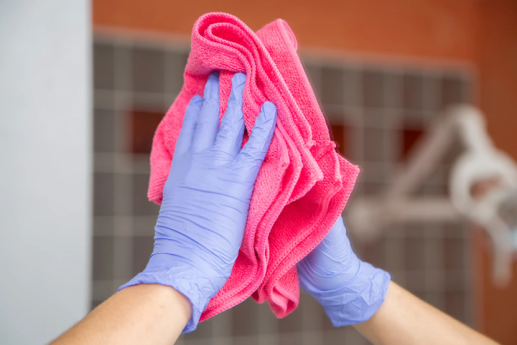
In addition to detergent, you’ll need tools such as microfiber mops, spray bottles, soft cloths, and buckets. Microfiber is ideal for collecting dirt without leaving residue or scratches. Some gyms also use low-pressure steam cleaners for periodic deep sanitization.
How to clean tatami step by step
Preparing the area
Before cleaning, remove shoes, objects, and surface dust from the tatami. You can use a vacuum cleaner with a soft brush or a dry cloth to remove hair and debris. This step prevents scratches during cleaning.
Cleaning and dirt removal
Once the area is prepared, proceed with cleaning. Spray a diluted tatami cleaner onto small sections and wipe with a microfiber mop using circular motions. Work in sections and avoid leaving areas wet. For stubborn stains, let the product sit for a few minutes before scrubbing.
Drying and ventilation
Do not walk on the tatami until it is completely dry. Open windows or use fans to speed up moisture evaporation. In poorly ventilated areas, use a dry cloth to remove excess water. Proper drying prevents mold and unpleasant odors.
How to sanitize and disinfect tatami
When deep sanitization is needed
Deep sanitization should be performed weekly or in case of suspected contamination, such as skin infections, blood exposure, or heavy shared use. It is also recommended after events, competitions, or long periods of inactivity.
Disinfectant products and usage
To disinfect tatami, choose products based on chlorhexidine or diluted hydrogen peroxide, avoiding overly aggressive chemicals. Spray the solution and let it act for the time indicated on the label, then remove it with a damp cloth. Rinsing is usually not necessary, but ensure the product is compatible with the tatami surface.
Tips to keep tatami always clean
Daily best practices
Ensure that users access the tatami without shoes and preferably with clean feet. Provide hand sanitizers and wipes at the entrance of the training area. Perform light cleaning between sessions, even with just a damp cloth.
Common mistakes to avoid
Avoid using ammonia-based or pure alcohol products, as they can damage materials. Never leave standing water on the tatami and avoid abrasive sponges. Finally, do not neglect regular maintenance: even if the surface looks clean, bacterial contamination may still be present.
Comments (0)