
Trolley
You have no items in your shopping cart

 Budgets
 Dumbers
 Discs
Discs
 Benches
 Racks and Rigs
 Weights Holders
 Isotonic machines
 Calisthenics
 Cardio
 Kettlebells
 Flooring
 Gym Set
 Accessories
 Combat
 ARTI MARZIALI
 CONTAINER GYM
 Tug-Of-War
 Used Gym Equipment
 PILATES MACCHINARI
 GINNASTICA ARTISTICA
 CAMPI DA PADEL
 Prodotti in Pronta Consegna
 Informazioni
 IRONMAN
 Gift Card
- Donatif
- General information
- 0 I like it
- 2032 Views
- 0 comments
READING TIME: 5 MINUTES ➤➤
Caloric Deficit: The Science of Weight Loss That Actually Works
Losing weight in a healthy and lasting way is not about magic solutions or extreme deprivation, but about a deep understanding of how the body works. The caloric deficit represents the core of any effective weight loss journey. In this article, we will explore the scientific foundations of the process, debunk the most common myths, and provide a practical guide to applying sustainable, personalized strategies that truly work. It’s time to bring clarity with a rational and educational approach, far from drastic and ineffective solutions.
- What Is a Caloric Deficit and Why It Is Essential for Weight Loss
- The Scientific Basis of Weight Loss
- Strategies to Create a Sustainable Caloric Deficit
- Body Composition: Losing Weight Is Not Losing Health
- Debunking Weight Loss Myths
- Building a Personal and Sustainable Strategy
What Is a Caloric Deficit and Why It Is Essential for Weight Loss
Definition of a Caloric Deficit
A caloric deficit occurs when the body consumes more energy than it receives through food intake. This condition forces the body to draw from its stored reserves—particularly fat deposits—to meet its energy needs. It is a simple but fundamental physiological principle, often overshadowed by diet trends or misleading strategies.
Understanding this mechanism is crucial for anyone who wants to lose weight consciously. Regardless of the diet being followed—ketogenic, Mediterranean, or zone diet—if an energy deficit is not created, weight loss will not occur. The real difference lies in how this deficit is generated and maintained over time.
How Energy Balance Works in the Human Body
Energy balance is the result of the equilibrium between the calories consumed through food and those burned through basal metabolism, physical activity, and essential bodily functions. When calorie intake exceeds calorie expenditure, weight gain occurs. When intake is lower than expenditure, weight loss follows.
However, metabolism is not a constant: it varies according to age, muscle mass, hormonal activity, and lifestyle. For this reason, creating an effective deficit means understanding not only how many calories to eat, but also how the body reacts and adapts to changes.
The Scientific Basis of Weight Loss
Why We Gain Weight: The Role of Excess Calories
When calorie intake chronically exceeds the body’s needs, the body stores excess energy in the form of fat. This process happens slowly but progressively, often without us realizing it. A sedentary lifestyle, disordered eating habits, and low nutritional awareness are among the main causes.
Body fat is not an enemy but a useful reserve in times of need. The problem arises when these reserves become excessive, compromising metabolic, cardiovascular, and joint health. That is why taking informed action is essential for overall well-being, not just for aesthetic reasons.
How Weight Loss Happens: Metabolism and Adaptation
During a weight loss process, the body responds to reduced energy availability with a series of physiological adaptations. It lowers basal metabolic rate, modifies hormones related to hunger and satiety, and tends to conserve energy. These mechanisms are natural and are designed to protect us from prolonged food scarcity.
For this reason, many people experience a slowdown in weight loss after the first few weeks. Understanding metabolic adaptation helps prevent frustration and abandonment, allowing the adoption of flexible strategies that maintain effectiveness over time without compromising health.
Strategies to Create a Sustainable Caloric Deficit
Evidence-Based Nutritional Approaches
There is no universal diet that works for everyone. Each individual has different physiological characteristics, tastes, daily rhythms, and goals. However, any effective nutritional approach shares one fundamental principle: the creation of a sustainable caloric deficit. This means eating fewer calories than you burn, but without harmful restrictions or extreme deprivation.
Overly rigid or unbalanced diets often lead to nutritional deficiencies, chronic hunger, mood decline, and loss of muscle mass. A winning strategy is based on satiating foods, balanced macronutrients, flexibility, and awareness. The goal is not deprivation but intelligent calorie management.
The Importance of Physical Activity in Calorie Management
Physical exercise is not only an ally of weight loss but also a powerful tool for improving body composition, increasing energy expenditure, and preserving lean mass. Resistance training in particular promotes muscle development and keeps metabolism active even at rest.
Combining diet and movement amplifies the effectiveness of a caloric deficit and reduces the risk of the yo-yo effect. Physical activity also improves insulin sensitivity, cardiovascular health, and psychological well-being—fundamental aspects of a healthy and long-lasting weight loss journey.
Common Mistake: Drastic Reductions and Metabolic Failure
One of the most common traps is believing that eating extremely little is necessary to lose weight. This approach, if prolonged over time, can lead to a drastic drop in metabolism, loss of lean mass, and increased hunger. The result? Regaining the lost weight and experiencing frustration.
A moderate deficit, calibrated according to real needs and adjusted over time, is the key to achieving real results. Weight loss is not a race against time but a process of transformation that requires balance, patience, and knowledge.
Body Composition: Losing Weight Is Not Losing Health
Fat Loss vs. Lean Mass Loss
When discussing weight loss, it is essential to distinguish between body fat and lean mass (muscles, organs, and water). A drop on the scale can hide significant muscle loss, with negative consequences for strength, metabolism, and overall health.
An intelligent approach aims at body recomposition: reducing excess fat while maintaining or increasing lean mass. This goal is achieved by combining a moderate caloric deficit, adequate protein intake, and strength training, avoiding reliance solely on extreme low-calorie diets.
Tracking Progress: Beyond the Scale
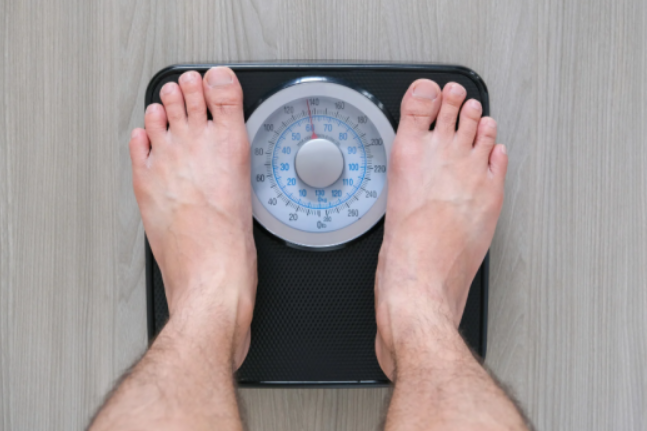
The scale is only one tool for monitoring results. For a more accurate evaluation, it is useful to integrate other methods: body measurements, waist circumference assessment, body composition analysis through bioimpedance, or simply observing visual changes and physical performance.
Quality weight loss is not always linear, nor visible day by day. It requires consistency, attention to detail, and a long-term perspective rather than the pursuit of immediate gratification.
Debunking Weight Loss Myths
Fasting, Detox, and Other Ineffective Shortcuts
The world of weight loss is full of myths and miracle solutions promising rapid results without effort: detox diets, miracle drinks, or improvised fasting methods. In reality, no shortcut can replace the principle of a caloric deficit and a structured strategy.
Many extreme approaches lead to rapid initial weight loss but prove unsustainable over time. The result is often regaining the lost weight—sometimes even more—along with a sense of personal failure that undermines motivation and self-esteem.
Why “Eating Less” Does Not Always Work
Eating less does not automatically mean losing weight more effectively. Extremely low calorie intake can lead to chronic fatigue, metabolic slowdown, and compulsive hunger. Furthermore, monotony and dietary rigidity increase the likelihood of abandoning the diet.
Losing weight sustainably means creating a balanced, varied, and satisfying nutritional plan. Only in this way can an effective caloric deficit be maintained over time without compromising health and quality of life.
Building a Personal and Sustainable Strategy
Personalization and Listening to Your Body
Every weight loss journey must start from oneself. The most effective strategies are those that adapt to your lifestyle, tastes, and goals. For this reason, the ideal plan is always personalized, adaptable, and built on listening to your body’s responses.
There is no single model to follow: what matters is choosing a method that is sustainable over time, that does not generate stress or frustration, and that integrates naturally into daily life.
Realistic Goals and Long-Term Motivation
Setting clear, measurable, and realistic goals is one of the key factors in maintaining motivation. Avoiding perfectionism and accepting moments of difficulty allows you to approach the journey with greater serenity and awareness.
Conscious weight loss is not a battle against your body but an act of care and respect toward yourself. Science provides the tools to understand, choose, and improve. It is up to us to use them with intelligence, patience, and confidence.
Comments (0)