
Trolley
You have no items in your shopping cart

 Budgets
 Dumbers
 Discs
Discs
 Benches
 Racks and Rigs
 Weights Holders
 Isotonic machines
 Calisthenics
 Cardio
 Kettlebells
 Flooring
 Gym Set
 Accessories
 Combat
 ARTI MARZIALI
 CONTAINER GYM
 Tug-Of-War
 Used Gym Equipment
 PILATES MACCHINARI
 GINNASTICA ARTISTICA
 CAMPI DA PADEL
 Prodotti in Pronta Consegna
 Informazioni
 IRONMAN
 Gift Card
- Donatif
- General information
- 0 I like it
- 2674 Views
- 0 comments
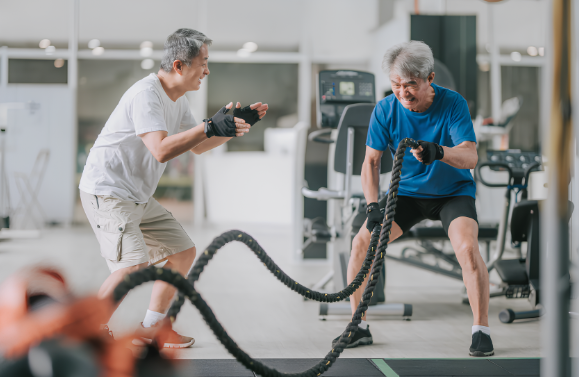
READING TIME: 5 MINUTES ➤➤
The Anti-Sedentary Routine for People Over 50: Gentle Movements to Regain Vitality
After the age of fifty, the body begins to change: muscles and joints gradually lose elasticity, strength declines over time, and a sedentary lifestyle can become a real risk. However, staying active does not mean subjecting yourself to excessive effort or intense workouts. There is a more accessible and sustainable approach: gentle movements, specifically designed for those who want to improve mobility and regain vitality without putting unnecessary stress on the body.
This guide is intended for people over 50 who want to counteract age-related stiffness and adopt an effective, safe, and sustainable anti-sedentary routine. It is an age-friendly approach to cultivating well-being day after day.
- Why it is important to stay active after 50
- Gentle movements to maintain vitality
- Joint stiffness and age-friendly mobility: how to take action
- A daily sequence of simple and effective exercises
- Practical tips for maintaining consistency and motivation
Why It Is Important to Stay Active After 50
The Risks of a Sedentary Lifestyle in Later Life
As we age, spending many hours sitting or inactive can seriously affect our health. A sedentary lifestyle promotes muscle mass loss, reduces joint flexibility, and increases the risk of developing chronic conditions such as diabetes, hypertension, and osteoporosis. Mood can also suffer: a lack of physical activity is often associated with low energy levels, apathy, and symptoms of depression.
You do not need to wait for serious warning signs before taking action. Small daily habits can help combat inactivity, improve quality of life, and preserve independence for as long as possible. Staying active is an investment in both longevity and overall physical and mental well-being.
The Physical and Mental Benefits of Regular Activity
Adding movement to your daily routine can have remarkable effects: it improves circulation, helps regulate body weight, and strengthens muscles. Better body awareness also supports improved posture, reducing the risk of lower back and neck pain.
From a mental perspective, regular activity can stimulate memory, reduce stress, and improve sleep quality. Movement triggers the release of endorphins, the body's feel-good hormones, promoting a more positive outlook on life and enhancing overall well-being.
Gentle Movements to Maintain Vitality
What Does “Gentle Movement” Mean?
The concept of “gentle movement” refers to low-impact exercises that respect the body's natural rhythm without excessive loads or intense physical demands. These are slow, controlled movements often inspired by disciplines such as stretching, yoga, Pilates, or tai chi.
These practices are ideal for people over 50 because they promote joint mobility, light muscle strengthening, and balance, helping to reduce the risk of falls. They also encourage greater body awareness, allowing individuals to move safely and avoid potentially harmful strain.
The Positive Impact on Quality of Life
Starting a gentle movement routine can completely transform the way you perceive your body. Confidence in your physical abilities grows, and you begin to feel lighter, more energetic, and more vibrant. Everyday activities such as climbing stairs, walking longer distances, or carrying groceries become noticeably easier.
There is no need to dedicate hours to exercise. Even 15–20 minutes a day of targeted movements can make a significant difference, provided they are practiced consistently. The goal is to maintain a strong mind-body connection and make well-being a natural part of everyday life.
Joint Stiffness and Age-Friendly Mobility: How to Take Action
The Causes of Stiffness After 50
Joint stiffness is a natural consequence of aging. Over time, connective tissues lose elasticity, synovial fluid production decreases, and cartilage gradually wears down. A sedentary lifestyle further accelerates this process.
In people over 50, stiffness often appears in the morning or after long periods of inactivity. The most affected areas are usually the shoulders, hips, knees, and spine. Targeted exercises are one of the safest and most natural ways to slow down this process and maintain mobility.
Joint Mobility: Why It Matters
Maintaining good mobility is essential for preserving independence and preventing injuries. A body that moves fluidly is more stable, balanced, and capable of handling everyday tasks without unnecessary limitations.
Age-friendly mobility routines are specifically designed to achieve this goal: gently stretching muscles, loosening joints, and improving movement awareness. No special equipment is required—just consistency and attention to proper execution.
A Daily Sequence of Simple and Effective Exercises
An Example of an Anti-Sedentary Routine
A good way to start the day is with gentle wake-up movements, such as shoulder rolls, neck tilts, torso bends, and slow leg raises. These exercises stimulate circulation and prepare the body for daily activities.
You can then continue with standing exercises that promote balance, such as alternating knee lifts, small static lunges, or side bends. The goal is not athletic performance but rather restoring fluidity and comfort in everyday movement.
How to Adapt the Routine to Your Needs
Every body is different. For this reason, it is important to adapt the routine to your own physical condition and pay attention to the signals your body sends. If a movement causes pain or discomfort, it should be modified or replaced.
Individuals with specific conditions such as osteoarthritis or chronic pain may benefit from consulting a physiotherapist or an instructor specialized in gentle exercise programs for people over 50, in order to develop a personalized and safe plan.
Practical Tips for Maintaining Consistency and Motivation
How to Integrate Movement Into Everyday Life
The key to success is consistency. Incorporating movement naturally into your day—through a short walk, exercises during breaks, or evening stretching—helps build a lasting habit without feeling burdensome.
Creating a fixed ritual, perhaps at the same time each day, makes it easier to stay committed. Tracking progress through a journal or a simple checklist can also be highly motivating and rewarding.
The Importance of Listening to Your Body
Maintaining a strong connection with your body is essential to avoid overexertion and prevent injuries. Movement should be an act of self-care, not an obligation. Listening to your body's signals, taking breaks when needed, and celebrating small improvements are all important parts of the journey.
Over time, this routine will become a valuable resource—a daily moment of well-being that you will not want to miss. Because at every age, moving mindfully is one of the best ways to care for yourself and enjoy a healthier, more fulfilling life.
Comments (0)