
Trolley
You have no items in your shopping cart

 Budgets
 Dumbers
 Discs
Discs
 Benches
 Racks and Rigs
 Weights Holders
 Isotonic machines
 Calisthenics
 Cardio
 Kettlebells
 Flooring
 Gym Set
 Accessories
 Combat
 ARTI MARZIALI
 CONTAINER GYM
 Tug-Of-War
 Used Gym Equipment
 PILATES MACCHINARI
 GINNASTICA ARTISTICA
 CAMPI DA PADEL
 Prodotti in Pronta Consegna
 Informazioni
 IRONMAN
 Gift Card
- Donatif
- General information
- 0 I like it
- 1385 Views
- 0 comments
- gym flooring, safety flooring, gym safety, shock-absorbing materials
READING TIME: 5 MINUTES ➤➤
Lose Fat with a Rowing Machine: Nutrition and Training Strategies
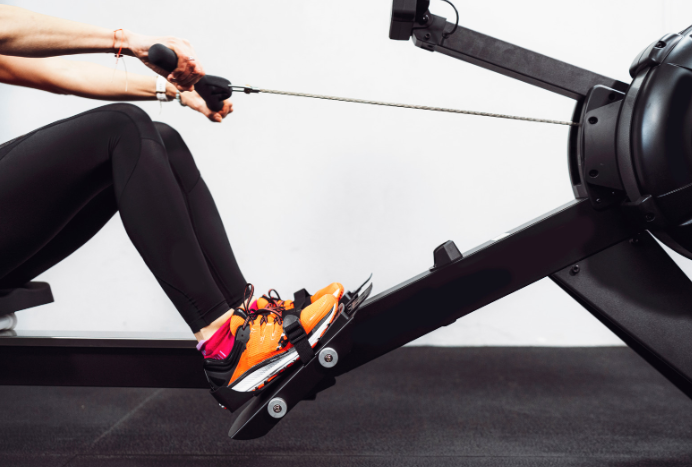
Losing fat with a rowing machine is possible when training is not treated as an isolated activity, but as part of a broader strategy. The rowing machine engages the legs, back, arms, and core, making it a highly effective tool for increasing calorie expenditure and improving overall fitness. However, results also depend on what happens outside the workout: nutrition, recovery, consistency, and calorie management.
People searching for rowing machine weight loss diet often face a practical problem: they train hard, sweat, feel tired, but do not see results that match their effort. In many cases, motivation is not the issue — the missing element is an integrated plan. This article does not replace professional nutritional advice, especially in the presence of medical conditions, medications, eating disorders, or clinical goals, but it offers a practical framework to connect diet and rowing machine workouts in a more structured and sustainable way.
Why rowing and nutrition must work together
The rowing machine can support fat loss because it allows for intense cardiovascular training even in limited space, with a smooth and repeatable movement pattern. Unlike many cardio activities, it engages a large amount of muscle mass and makes it easy to adjust pace, resistance, and duration. This makes it suitable both for home workouts and for more structured gym programs.
The key issue is that exercise increases energy expenditure, but it does not automatically cancel out poor eating habits. A demanding session can easily be offset by oversized portions, unplanned snacks, or high-calorie drinks. For this reason, an effective strategy should not be based on punishment, but on control: using the rowing machine to create regular movement while organizing nutrition around a sustainable calorie deficit.
The role of a calorie deficit without extremes
To lose fat, you need to consume more energy than you take in, but this does not mean drastically cutting food intake. Excessive restriction can increase hunger, fatigue, and inconsistency while reducing workout quality. For many people, it is more realistic to aim for a moderate deficit by slightly reducing portion sizes, limiting highly processed calorie-dense foods, and maintaining balanced meals.
A practical starting point could be a deficit of approximately 300–500 kcal per day, adjusted according to body composition, lifestyle, hunger levels, energy, and progress over time. Protein intake helps preserve muscle mass, carbohydrates support more intense sessions, and healthy fats should not be eliminated because they contribute to dietary balance. The best results come from consistency, monitoring, and balance rather than extreme restrictions.
How to structure rowing machine training
For beginners aiming to lose weight, the first goal should not be exhausting themselves during every workout, but building a sustainable routine. Two or three weekly sessions lasting 20–30 minutes can already provide an excellent starting point, especially when combined with controlled nutrition. The pace should allow continuous effort while maintaining proper technique: leg drive, stable torso, controlled arm pull, and smooth recovery.
After a few weeks, more intense intervals can be introduced by alternating short high-effort phases with active recovery. A simple example includes 5 minutes of warm-up, 8 rounds of 30 seconds at high intensity followed by 90 seconds easy pace, and then 5 minutes of cooldown. This type of workout can increase calorie expenditure, but it should be used carefully. Too much HIIT, especially during a low-calorie diet, may lead to fatigue and reduce long-term consistency.
Meal timing: what to eat before and after
Meal timing is not more important than total daily intake, but it can influence workout quality. Before using the rowing machine, especially for intense sessions, a light meal containing digestible carbohydrates and moderate protein may help. Examples include yogurt with fruit, bread with lean cured meat, or rice with a protein source if the meal is eaten earlier. The goal is to train with energy without feeling heavy.
After training, returning to a complete meal with high-quality proteins, carbohydrates proportionate to the effort, and vegetables is generally beneficial. People training in the evening do not necessarily need to avoid carbohydrates, but should include them according to their overall calorie needs. The correct question is not only “What should I eat after rowing?” but also “Does this meal help me stay consistent with my overall plan without excessive hunger tomorrow?”
Example of an integrated weekly plan
A busy professional training at home could organize three weekly rowing sessions. Monday: 25 minutes at moderate pace. Wednesday: short interval training with controlled intensity. Saturday: 35–40 minutes at a lower intensity to increase volume without excessive stress. On non-rowing days, walking, mobility work, or light strength exercises can help maintain daily movement without unnecessary fatigue.
From a nutritional perspective, the day could include a protein-rich breakfast, a balanced lunch with grains, vegetables, and protein, a simple pre-workout snack, and a complete but moderate dinner. In a fat-loss context, supplements or support products may only be useful if they help cover practical nutritional gaps, not as shortcuts. The foundation always remains regular training, sustainable nutrition, and portion control.
Mistakes that slow down fat loss
The first mistake is overestimating the calories burned on the rowing machine. Display estimates can be useful references, but they should not become permission to eat without control. The second mistake is cutting calories too aggressively on training days, leading to low energy during workouts and excessive hunger later in the evening. The third is constantly changing programs without giving the body and routine enough time to adapt.
A more effective strategy is to monitor a few key indicators: average weekly weight, body measurements, workout energy, sleep quality, and consistency with the plan. If no changes appear after several weeks, small adjustments can be made to portions, workout frequency, or session duration. Losing fat with a rowing machine does not require perfection, but rather a consistent combination of nutrition, movement, and recovery maintained long enough to produce measurable results.
Comments (0)