
Trolley
You have no items in your shopping cart

 Budgets
 Dumbers
 Discs
Discs
 Benches
 Racks and Rigs
 Weights Holders
 Isotonic machines
 Calisthenics
 Cardio
 Kettlebells
 Flooring
 Gym Set
 Accessories
 Combat
 ARTI MARZIALI
 CONTAINER GYM
 Tug-Of-War
 Used Gym Equipment
 PILATES MACCHINARI
 GINNASTICA ARTISTICA
 CAMPI DA PADEL
 Prodotti in Pronta Consegna
 Informazioni
 IRONMAN
 Gift Card
- Donatif
- General information
- 0 I like it
- 3289 Views
- 0 comments
READING TIME: 13 MINUTES ➤➤
A healthy digestion is the foundation of overall well-being: it influences our energy levels, sleep quality, and even our mood. However, small discomforts such as bloating, heaviness, or drowsiness after meals are often considered “normal,” when in reality they may be signs of an unbalanced diet. In this article, you will discover how simple dietary choices can make a significant difference to your daily digestive comfort.
There is no need for drastic changes: small adjustments such as increasing fiber intake, staying properly hydrated, or choosing lighter foods at certain times of the day can already help a lot. Let’s explore together how eating mindfully can support smoother and more natural digestion, helping you regain lightness and well-being day after day.
Why nutrition affects digestion
Digestive mechanisms and the role of food
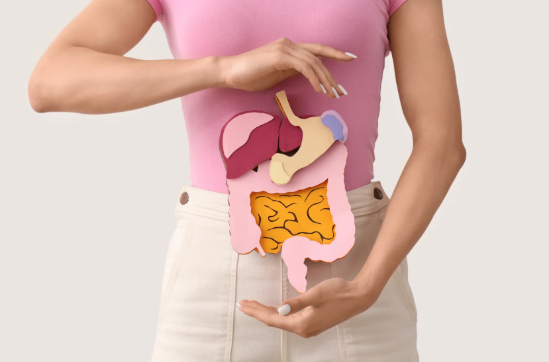
Digestion is a complex process involving organs, enzymes, and hormones, all working together to transform what we eat into energy and nutrients. Every food triggers a different reaction: fats slow gastric motility, proteins require more enzymes, and complex carbohydrates stimulate beneficial fermentations for gut bacteria. Choosing what and how to eat can significantly influence these mechanisms, either supporting or hindering digestion.
When nutrition is unbalanced, with excessive sugars, fats, or ultra-processed foods, the stomach and intestines may struggle, slowing down their functions. This can lead to symptoms such as bloating, heaviness, and post-meal fatigue. Understanding the connection between food and digestion therefore allows people to directly improve their overall well-being.
Common disorders linked to an unhealthy diet
The most common digestive issues, such as acidity, reflux, bloating, and constipation, often originate from everyday eating habits. Frequent consumption of large meals, fried foods, carbonated drinks, or sugary beverages can compromise the balance of the gastrointestinal tract. Many symptoms are not pathological, but functional: meaning they result from dietary choices that are not suitable for the body.
A targeted diet, on the other hand, can reduce the occurrence of these disorders. Including fiber-rich foods, moderating portion sizes, and eating slowly are simple yet effective actions. It is not only about digesting better: efficient digestion also means better nutrient absorption and stronger immune system support.
Foods that support healthy digestion
Light and easily digestible foods
Some foods are naturally easier to digest and are ideal for people who experience heaviness after meals or have a sensitive digestive tract. These include steamed vegetables, lean white meats, fish, rice, potatoes, and ripe fruit. These foods are low in fat and insoluble fiber, meaning they do not overload the stomach and allow smoother intestinal transit.
On the contrary, fried foods, red meat, aged cheeses, or high-fat dairy products can slow digestion and cause discomfort. It is also useful to avoid heavy food combinations: for example, it is better not to combine protein-rich foods with large amounts of simple sugars in the same meal, as this may burden the digestive system.
How to build a stomach-friendly balanced meal
A meal designed for optimal digestion should contain a lean protein source, a portion of complex carbohydrates, and some fiber, preferably cooked. It is also important to pay attention to cooking methods: steaming, baking, or boiling are preferable to frying or overly intense grilling.
Another often underestimated factor is quantity: excessive portions require more digestive effort. It is better to eat smaller amounts more frequently while maintaining regular meal times. Finally, chewing thoroughly and taking time to eat calmly can significantly improve the digestive process.
The importance of fiber for intestinal regularity
Types of fiber and digestive benefits
Dietary fiber is essential for proper intestinal function. There are two main types: soluble and insoluble fiber. Soluble fiber, found in oats, legumes, and fruit, helps form a viscous gel that slows digestion and supports gradual nutrient absorption. Insoluble fiber, found in whole grains and leafy vegetables, stimulates intestinal transit.
A balanced intake of both types of fiber can reduce issues such as constipation, improve stool consistency, and promote the growth of beneficial bacteria in the gut microbiota. The goal is not simply to increase fiber randomly, but to introduce it gradually so the intestines can adapt without excessive fermentation.
Natural sources of fiber in the daily diet
Adding more fiber to your diet is not complicated. Small changes such as replacing white bread with whole-grain bread, adding legumes to salads, or choosing whole fruit instead of juice can make a big difference. Nuts, seeds, and raw or lightly cooked vegetables are also excellent sources of fiber.
It is equally important to combine fiber intake with proper hydration to avoid the opposite effect, namely constipation. The balance between fiber, water, and regular physical activity is the key to smooth and regular digestion.
Hydration and eating habits
Drinking water: when, how much, and why
Hydration plays an often underestimated role in digestive health. Water facilitates intestinal transit, softens stools, and supports the function of digestive enzymes. Drinking regularly throughout the day, not only during meals, is essential to maintain the motility of the digestive tract. A good guideline is to drink at least 1.5–2 liters of water per day, adjusting the amount according to age, physical activity, and climate.
Contrary to a common myth, drinking moderately during meals does not hinder digestion; in fact, it helps dilute gastric juices and supports food mixing. The important thing is not to drink excessively all at once, but to distribute fluid intake throughout the day to support effective and natural digestion.
Behaviors that promote peaceful digestion
Beyond what we eat, how we eat is equally important. Daily habits can make a huge difference: eating slowly, without distractions, and while seated comfortably allows the digestive system to activate properly. Thorough chewing is the first step of digestion, and skipping it can increase digestive difficulties.
Avoid eating under stress or in a rush: the sympathetic nervous system activated in these situations inhibits the secretion of digestive enzymes. Even a short walk after meals can help stimulate metabolism and improve intestinal motility, contributing to an overall feeling of lightness and well-being.
Adopting new eating habits to feel better
Daily tips to improve digestion
The first step toward healthy digestion is awareness. Observing how the body reacts to certain foods, meal times, and combinations helps create a personalized nutrition plan. Among the best practices are: starting the day with a light but nutritious breakfast, avoiding heavy dinners, favoring cooked vegetables in the evening, and maintaining consistent hydration.
Another useful recommendation is to limit simple sugars and saturated fats, which are responsible for fermentation, bloating, and slow digestion. Small but consistent changes can lead to significant improvements within just a few days. The body tends to respond quickly when given the right signals.
Mindful eating and long-term well-being
Learning to listen to your body and adapt your diet to its needs is a form of self-care and prevention. It is not about following strict dietary trends, but about adopting a sustainable and personalized lifestyle capable of supporting digestive well-being in the long term. Mindful eating improves not only digestion, but also overall quality of life.
Ending meals with a moment of relaxation, taking the time to enjoy food, and choosing fresh and natural ingredients are simple yet powerful habits. Eating to digest better is not only about diet: it is a daily act of balance, awareness, and self-respect.
Comments (0)