
Trolley
You have no items in your shopping cart

 Budgets
 Dumbers
 Discs
Discs
 Benches
 Racks and Rigs
 Weights Holders
 Isotonic machines
 Calisthenics
 Cardio
 Kettlebells
 Flooring
 Gym Set
 Accessories
 Combat
 ARTI MARZIALI
 CONTAINER GYM
 Tug-Of-War
 Used Gym Equipment
 PILATES MACCHINARI
 GINNASTICA ARTISTICA
 CAMPI DA PADEL
 Prodotti in Pronta Consegna
 Informazioni
 IRONMAN
 Gift Card
- Donatif
- General information
- 0 I like it
- 1728 Views
- 0 comments
- stress reduction, improved self-esteem, physical and mental well-being, gym training
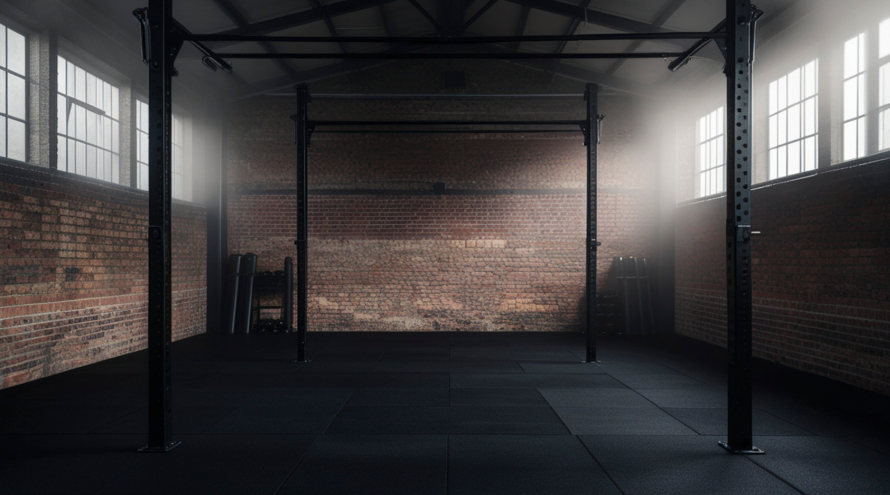
How to Clean and Maintain Rubber Flooring and Tatami Without Damaging Them
Proper management of sports surfaces is one of the most underestimated aspects in the daily operations of a gym or personal training studio. It is often assumed that cleaning is a standard process, the same for all materials, but in reality each surface requires specific care. Improper maintenance can compromise performance, appearance, and the lifespan of the flooring over time.
Understanding how to properly treat rubber flooring and tatami not only improves the user experience but also protects a significant investment. A well-structured routine helps avoid costly extraordinary interventions and ensures operational continuity, minimizing the risk of premature wear.
- Why proper maintenance makes a difference
- Rubber flooring
- Tatami
- Differences between materials
- Maintenance routine
- Mistakes to avoid
- Durability and preservation
Why Proper Maintenance Makes a Difference Over Time
Proper maintenance is not only about hygiene, but it directly impacts the performance and safety of surfaces. A neglected floor tends to lose grip, accumulate residue, and deteriorate more quickly, negatively affecting the training experience.
In the long term, adopting correct practices helps preserve the technical characteristics of materials. This means maintaining elasticity, shock absorption, and stability—key elements especially in high-intensity environments such as gyms and functional training areas.
Rubber Flooring: How to Clean and Maintain It Without Damage
Rubber flooring is designed to withstand high stress, but it still requires careful management. Its surface can trap dust, sweat, and residue that, over time, affect both appearance and performance.
Cleaning should be regular but not aggressive. Using overly harsh products or unsuitable tools can alter the material’s structure, making it more rigid or slippery. The goal is to remove dirt without interfering with the original properties of the rubber.
Recommended Products and Suitable Tools
For proper maintenance, it is essential to choose neutral detergents specifically designed for sports surfaces. These products clean effectively without affecting the material composition, preventing dryness or deterioration.
Tools also play a crucial role: microfiber mops and low-abrasion systems are ideal for effective cleaning. The use of overly aggressive machines or hard brushes can cause micro-damage that is difficult to repair over time.
Cleaning Frequency and Daily Management
An effective routine includes light daily cleaning and more thorough cleaning at regular intervals. Frequency depends on usage intensity, but it is important to prevent buildup that would require more aggressive interventions.
Consistency in management reduces stress on the material and simplifies operations. This creates a sustainable routine that protects the flooring without requiring frequent extraordinary maintenance.
Tatami: Cleaning and Care Without Compromising Structure
Tatami has different characteristics compared to rubber and requires an even more delicate approach. Often made of expanded materials, it is more sensitive to moisture and harsh chemicals.
Proper management helps preserve elasticity and surface integrity, preventing deformation or loss of comfort. This is especially important in disciplines where frequent contact with the ground occurs.
Proper Techniques for Daily Hygiene
Daily cleaning should be carried out with slightly damp cloths and gentle detergents. It is essential to avoid excess water, which could penetrate the material and compromise its internal structure.
A gradual and consistent approach allows high hygiene standards to be maintained without stressing the tatami. This balance is key to ensuring durability and comfort over time.
Attention to Moisture and Detergents
Moisture is one of the main enemies of tatami. Improper drying can lead to odors or material degradation, reducing perceived quality.
The choice of detergents is equally important: overly aggressive products can damage the surface. Using specific solutions helps maintain the material intact and performing longer.
The Real Differences Between Rubber and Tatami Maintenance
One of the most common mistakes is treating all surfaces the same way. In reality, rubber and tatami respond very differently to external agents and cleaning products.
Rubber is more resistant and tolerates slightly more intensive cleaning, while tatami requires delicate handling and strict moisture control. Understanding these differences helps prevent damage and enables more effective and informed management.
Effective Routine: How to Organize Maintenance Over Time
Building a clear routine is the simplest way to ensure consistency and quality in surface management. Defining frequencies, tools, and products helps standardize operations and reduce the margin of error.
A maintenance checklist helps maintain control and distribute tasks evenly. This approach makes maintenance more intuitive and less burdensome, turning it into an integral part of daily operations.
Common Mistakes That Damage Sports Surfaces
Among the most frequent mistakes are using unsuitable products, excessive water, and lack of consistency. These practices can accelerate wear and compromise flooring performance.
The belief that all surfaces can be treated the same way is also a significant limitation. Avoiding these mistakes helps preserve the material and reduces the need for corrective interventions.
How to Increase Flooring Lifespan and Protect Your Investment
Proper maintenance is the first step to extending the lifespan of sports surfaces. Small daily actions can make a significant difference over time.
Protecting the flooring also means safeguarding your investment. Conscious management builds trust, reduces costs, and ensures an environment that is always high-performing and welcoming for users.
Comments (0)