
Trolley
You have no items in your shopping cart

 Budgets
 Dumbers
 Discs
Discs
 Benches
 Racks and Rigs
 Weights Holders
 Isotonic machines
 Calisthenics
 Cardio
 Kettlebells
 Flooring
 Gym Set
 Accessories
 Combat
 ARTI MARZIALI
 CONTAINER GYM
 Tug-Of-War
 Used Gym Equipment
 PILATES MACCHINARI
 GINNASTICA ARTISTICA
 CAMPI DA PADEL
 Prodotti in Pronta Consegna
 Informazioni
 IRONMAN
 Gift Card
- Donatif
- General information
- 0 I like it
- 2025 Views
- 0 comments
- stress reduction, improved self-esteem, physical and mental well-being, gym training
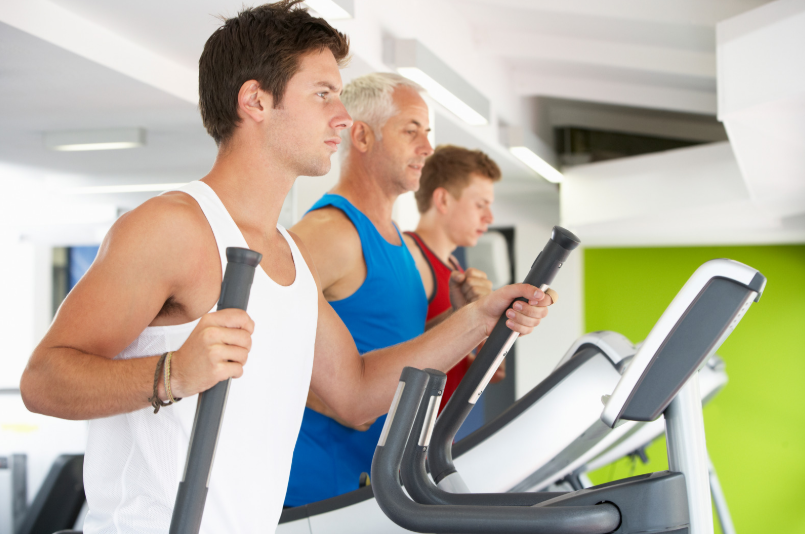
Exercise Bike, Treadmill or Compact Rower: Which One to Choose at Home
Choosing a cardio machine for home may seem, at first glance, like a simple decision. In reality, it is one of the most underestimated choices and is often approached with superficial criteria. Many users focus on what “seems better” in absolute terms, without considering the real usage context, such as available space, living with others, and long-term consistency.
The result is common: impulsive purchases, initial enthusiasm, and gradual abandonment. To avoid this scenario, it is essential to shift the focus from common misconceptions to practical selection criteria, building a decision that is sustainable in everyday life and truly usable over time.
- Why the choice is more complex
- The criteria that really matter
- Equipment comparison
- Choosing based on usage style
- Conscious decision-making
Why choosing a home cardio machine is more complex than it seems
One of the most common mistakes is believing that there is a “best” machine in absolute terms. This belief leads many people to automatically lean toward the treadmill, perceived as the most complete solution. However, this idea completely ignores the home environment, where very different factors come into play compared to a gym.
In an apartment, elements such as noise, space, and practicality matter much more. A machine that is excellent on paper can become unusable in everyday life, quickly turning into a bulky and neglected object.
The myth of the “most complete” choice
The treadmill is often seen as the ultimate solution because it allows walking, running, and varying intensity. This is true in theory, but in a home setting it involves significant trade-offs, especially in terms of space and noise impact.
Completeness is therefore not the main criterion: what really matters is compatibility with your lifestyle. A less “complete” machine that gets used regularly will always be the better choice.
The real issue: consistency of use
The real risk is not choosing the wrong machine from a technical standpoint, but choosing one that will not be used. Consistency is the key factor in achieving results, and it is closely linked to how easily the machine fits into your daily routine.
A machine that is easy to use, non-intrusive, and always accessible significantly increases the chances of consistent use, reducing the risk of early abandonment.
The criteria that really matter when choosing
Space and footprint management
Available space is the first real filter. In a home environment, especially in an apartment, every centimeter matters. A treadmill requires dedicated space and is often difficult to integrate into everyday living areas.
On the other hand, an exercise bike or a compact rower can offer more flexible solutions, especially if foldable or easy to move. Space management is therefore a primary, not secondary, criterion.
Noise and impact on the home environment
Noise is one of the most underestimated aspects, but also one of the most critical. In an apartment, noise can become a real limitation, affecting not only the user but also others in the same home or neighboring units.
The exercise bike tends to be the quietest option, while the treadmill creates more impact, especially during running. The rower sits somewhere in between but still requires attention to context.
Intensity and type of workout
Each machine offers a different training experience. The treadmill allows for more intense and dynamic workouts, while the exercise bike is more controlled and accessible. The rower, on the other hand, engages the whole body but requires more coordination.
The choice should therefore be based on compatibility with your level and goals, avoiding solutions that are too complex or too limited.
Ease of use and actual frequency
A machine that is easy to use reduces entry barriers and encourages consistency. The exercise bike, for example, allows you to start immediately without specific skills, while the rower requires some basic technique.
Actual usage frequency is directly proportional to perceived simplicity. The more intuitive a machine is, the more it will be used over time.
Exercise bike, treadmill, and rower compared
Exercise bike: accessibility and consistency
The exercise bike is the most accessible choice for those approaching home cardio. It is intuitive, compact, and generally quiet, making it ideal for frequent use.
Its strength lies in its ease of integration into daily routines, even in complex living environments. It may not offer maximum intensity, but it ensures consistency.
Treadmill: impact and performance
The treadmill is the most performance-oriented solution in terms of intensity and training variety. However, it requires space, generates noise, and can be challenging to use consistently.
It is suitable for those with strong motivation and a dedicated space, but less ideal for limited home environments.
Rower: completeness and technique
The rower offers a full-body workout, engaging both upper and lower body. It is an interesting option for those seeking variety and different training stimuli.
However, it requires a minimum learning curve and consistent use to be effective. Technique becomes a key factor for performance.
How to choose based on your usage style
Practical and consistent profile
Those looking for simplicity and consistency should lean toward the exercise bike. It is the most sustainable choice in the long term, especially in shared spaces or limited environments.
Its ease of use significantly reduces the risk of abandonment, making it ideal for building a habit.
Performance-oriented profile
For those with more ambitious goals and adequate space, the treadmill is an effective solution. It offers greater intensity and variety but requires ongoing commitment.
It only works if supported by strong motivation and favorable environmental conditions.
Hybrid and flexible profile
The rower is ideal for those seeking a balance between completeness and space efficiency. It offers diverse stimuli and a more articulated workout.
However, it requires greater attention to execution and some familiarity with the movement.
From confusion to a conscious choice
Reducing the risk of abandonment
The smartest choice is not the most high-performing one, but the one that gets used the most. Reducing the risk of abandonment means choosing a machine that fits your real life, not your ideal one.
This approach helps avoid common mistakes and builds a truly valuable long-term investment.
Building a sustainable choice
A sustainable choice takes into account space, noise, simplicity, and motivation. There is no universal answer, but there is a right answer for each context.
Moving from superficial comparisons to concrete criteria means gaining control, clarity, and consistency, turning a purchase into an effective and lasting decision.
Comments (0)