
Trolley
You have no items in your shopping cart

 Budgets
 Dumbers
 Discs
Discs
 Benches
 Racks and Rigs
 Weights Holders
 Isotonic machines
 Calisthenics
 Cardio
 Kettlebells
 Flooring
 Gym Set
 Accessories
 Combat
 ARTI MARZIALI
 CONTAINER GYM
 Tug-Of-War
 Used Gym Equipment
 PILATES MACCHINARI
 GINNASTICA ARTISTICA
 CAMPI DA PADEL
 Prodotti in Pronta Consegna
 Informazioni
 IRONMAN
 Gift Card
- Donatif
- General information
- 0 I like it
- 2770 Views
- 0 comments
READING TIME: 9 MINUTES ➤➤
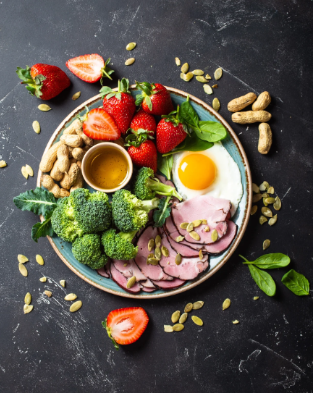
Eating well does not mean eating less. Weight loss is often confused with constant deprivation, when in reality the secret to losing weight in a healthy and sustainable way lies in feeling truly satisfied and fulfilled. Understanding which foods help control hunger is essential to avoid binge eating and energy crashes that sabotage every attempt at improvement. In this guide, you’ll discover how satiety can become your ally in the fight against excess weight.
- Why satiety is crucial for weight loss
- Foods that increase satiety
- Strategies to feel full for longer
- Conclusions: feeling fuller to lose weight sustainably
Why satiety is crucial for weight loss
The link between hunger, satiety, and calorie balance
Hunger is an essential physiological response, but when it becomes chronic or uncontrolled, it can easily lead to excess weight. The human body naturally seeks to maintain a stable energy balance, and an overly restrictive diet can trigger the so-called “boomerang effect”: eating too little eventually leads to overeating later on. Satiety acts as a natural regulator of calorie intake: when we feel full, it becomes easier to stick to our goals without effort or guilt.
Satiety vs. restriction: a shift in mindset
Losing weight should not mean starving yourself. On the contrary, shifting the focus toward foods that deeply nourish and keep you full for longer helps build a healthier relationship with food. It is time to abandon the myth of deprivation and adopt a mindful approach that values listening to the body’s signals. Choosing filling foods naturally helps reduce food intake without feeling forced or restricted.
Foods that increase satiety
Protein-rich foods: satiety and metabolic effects
Proteins are among the most effective macronutrients for promoting satiety. Whether they come from animal sources (such as eggs, lean meat, and fish) or plant-based sources (tofu, legumes, seitan), their effect is twofold: they reduce hunger and stimulate metabolism. Including protein in every main meal helps stabilize blood sugar levels, preventing glucose spikes and sudden hunger attacks.
The role of fiber in appetite regulation
Dietary fiber is another valuable ally. Found in fruits, vegetables, whole grains, and legumes, fiber slows digestion and increases meal volume without adding excessive calories. The result? A long-lasting feeling of fullness. In addition, fiber supports gut health and contributes to better nutrient absorption.
Strategies to feel full for longer
Eating habits that support fullness
Choosing the right foods is not enough: the way you eat also deeply influences satiety. Eating slowly, chewing thoroughly, avoiding distractions during meals, and paying attention to hunger and fullness cues are habits that improve appetite regulation. In addition, meal distribution throughout the day can make a significant difference: balanced breakfasts and nutritious snacks help prevent energy crashes and uncontrolled evening hunger.
Practical examples of filling meals
A filling meal does not need to be complicated. Here’s one example: a bowl with quinoa, chickpeas, roasted vegetables, and a tablespoon of extra virgin olive oil. Or a breakfast made with Greek yogurt, fresh fruit, and a handful of whole oat flakes. The combination of proteins, fiber, and healthy fats is the key to nourishing the body and keeping hunger under control for hours. Incorporating these elements into your daily routine is a concrete step toward lasting weight loss.
Conclusions: feeling fuller to lose weight sustainably
Satiety is a powerful tool for well-being and weight management. Learning to recognize, respect, and encourage it through food choices means leaving behind the cycle of extreme dieting and moving closer to a sustainable long-term balance. Foods rich in protein and fiber, mindful habits, and a non-punitive nutritional approach are the foundations for feeling in control without constant sacrifice.
Remember: feeling full is not an obstacle to weight loss, but rather an accelerator. The more satisfied you feel, the less likely you are to eat for emotional compensation. And that is the true secret to losing weight peacefully and sustainably.
Comments (0)