
Trolley
You have no items in your shopping cart

 Budgets
 Dumbers
 Discs
Discs
 Benches
 Racks and Rigs
 Weights Holders
 Isotonic machines
 Calisthenics
 Cardio
 Kettlebells
 Flooring
 Gym Set
 Accessories
 Combat
 ARTI MARZIALI
 CONTAINER GYM
 Tug-Of-War
 Used Gym Equipment
 PILATES MACCHINARI
 GINNASTICA ARTISTICA
 CAMPI DA PADEL
 Prodotti in Pronta Consegna
 Informazioni
 IRONMAN
 Gift Card
- Donatif
- General information
- 0 I like it
- 2236 Views
- 0 comments
READING TIME: 5 MINUTES ➤➤
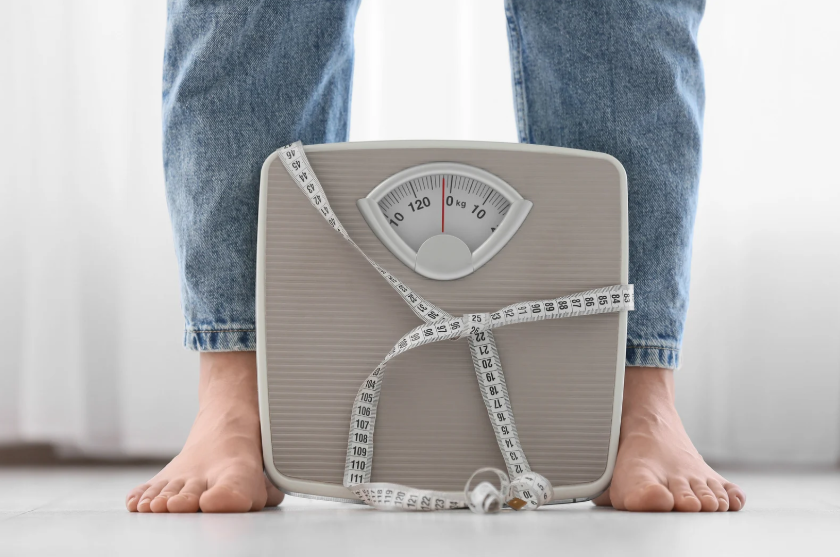
Rapid Weight Loss: A Complete and Safe Guide
Losing weight quickly is a common goal, especially when important events are approaching or when you want a fast, visible change. However, the rush to slim down can turn into a dangerous trap if approached with extreme or uncontrolled methods. This guide is designed for those who want fast results without compromising their health. Finding the right balance between effectiveness and safety is not only possible, but it is also the key to long-lasting and sustainable results.
We will analyze the most effective strategies to lose weight quickly, debunk common myths, and guide you through a balanced approach that allows you to slim down safely and consciously. Each section is designed to support you step by step toward your goal, always keeping your well-being at the center.
- Losing weight fast: is it really possible?
- Effective strategies to lose weight in a short time
- Understanding the role of calories in weight loss
- Fat mass vs body weight: what really matters
- Losing weight safely: mistakes to avoid
- Maintaining results over time
Losing weight fast: is it really possible?
Common myths about rapid weight loss
When it comes to rapid weight loss, you enter a landscape filled with unrealistic promises and miracle solutions. From crash diets claiming you can lose 5 kilos in a week to effortless “fat-burning” supplements, the market is full of traps. The problem is that many of these methods rely on temporary mechanisms such as water loss, intestinal emptying, or drastic calorie restriction. These approaches may reduce the number on the scale, but they do not lead to real weight loss from fat mass. Moreover, these shortcuts can cause serious side effects, including metabolic imbalances, chronic fatigue, and muscle loss.
The real challenge, therefore, is not just losing weight quickly, but doing so in a way that allows the body to respond positively without entering a state of stress. Understanding the difference between real and temporary weight loss is the first step toward a healthy, long-term change.
How to balance speed and safety in weight loss
It is possible to lose weight quickly without harming your health, provided you adopt a structured and well-reasoned approach. The starting point is setting realistic goals: a loss of 0.5–1 kg per week is considered safe and sustainable. In some cases, especially during the first few weeks, faster results may occur due to water loss and changes in eating habits, but the process should never place excessive stress on the body.
The key lies in combining a balanced, calorie-controlled diet with targeted physical activity, possibly integrating psychological strategies to manage impatience and maintain motivation. Urgency must be guided, not suffered—only then can you achieve fast yet lasting results.
Effective strategies to lose weight in a short time
Calorie-controlled diet: principles and applications
A well-balanced calorie-controlled diet is the essential foundation of any weight loss journey, especially when aiming for fast results. Reducing daily calorie intake while maintaining proper macro- and micronutrient balance allows the body to start using fat reserves as an energy source. A recommended calorie reduction is around 500–700 kcal per day compared to your maintenance needs, avoiding extremes that could slow metabolism or cause deficiencies.
This does not mean eliminating entire food groups, but learning to choose foods with low calorie density and high satiety, such as vegetables, lean proteins, legumes, and whole grains. Careful meal management, with regular distribution throughout the day, helps control emotional hunger and reduces the risk of binge eating, making weight loss smoother and more sustainable.
Fat-burning workouts: how to boost your metabolism
Physical activity is the catalyst that can significantly accelerate weight loss, especially when combined with proper nutrition. The most effective strategies include high-intensity interval training (HIIT), moderate-intensity cardio sessions, and strength training to preserve or increase muscle mass. This approach promotes high calorie expenditure both during and after exercise, thanks to the so-called EPOC effect (excess post-exercise oxygen consumption).
For those seeking fast but safe results, it is crucial to alternate effort and recovery, avoiding overtraining that can lead to chronic stress and metabolic slowdown. Even non-structured daily activities—such as walking, taking the stairs, or doing household chores—contribute significantly to total calorie expenditure and should be part of the overall plan.
Understanding the role of calories in weight loss
Calorie deficit: how it works and why it matters
At the core of every effective weight loss strategy lies a fundamental principle: the calorie deficit. To lose weight, the body must expend more energy than it takes in through food. This imbalance forces the body to use its reserves, mainly in the form of body fat. Creating a calorie deficit therefore means designing a meal plan that reduces calorie intake compared to daily energy needs, taking into account basal metabolism and physical activity levels.
A common mistake is drastically cutting calories in an attempt to speed up results. In reality, overly severe reductions can trigger metabolic adaptation: the body slows down energy expenditure to protect itself, making weight loss harder. For this reason, the deficit should be moderate, controlled, and sustainable over time.
How many calories are needed to lose 1 kg of fat?
Losing one kilogram of body fat requires a deficit of about 7,000 kcal. While this is an approximate figure, it helps illustrate that real weight loss takes time and consistency. Creating a daily deficit of 500 kcal can lead to a weekly loss of about half a kilogram, while a deficit of 700–800 kcal may produce faster results, as long as the approach remains balanced.
It is important to track progress not only through the number on the scale, but also by assessing changes in body composition, energy levels, and sleep quality. Healthy weight loss is not an obstacle course, but an intelligent process based on solid physiological principles.
Fat mass vs body weight: what really matters
Losing fat mass without losing muscle mass
One of the most common mistakes in rapid weight loss programs is focusing solely on body weight reduction, ignoring the difference between lean mass and fat mass. The real goal should be to reduce body fat while maintaining—or even improving—muscle mass. This approach not only enhances physical appearance, but also helps keep metabolism active, which is essential for long-term weight stability.
To achieve this, a plan must combine adequate protein intake, resistance training (such as weight lifting), and targeted calorie control. Completely eliminating carbohydrates or following extreme low-calorie diets can compromise muscle mass and slow progress. The focus should be on the quality of weight loss, not just speed.
Tools to monitor body changes
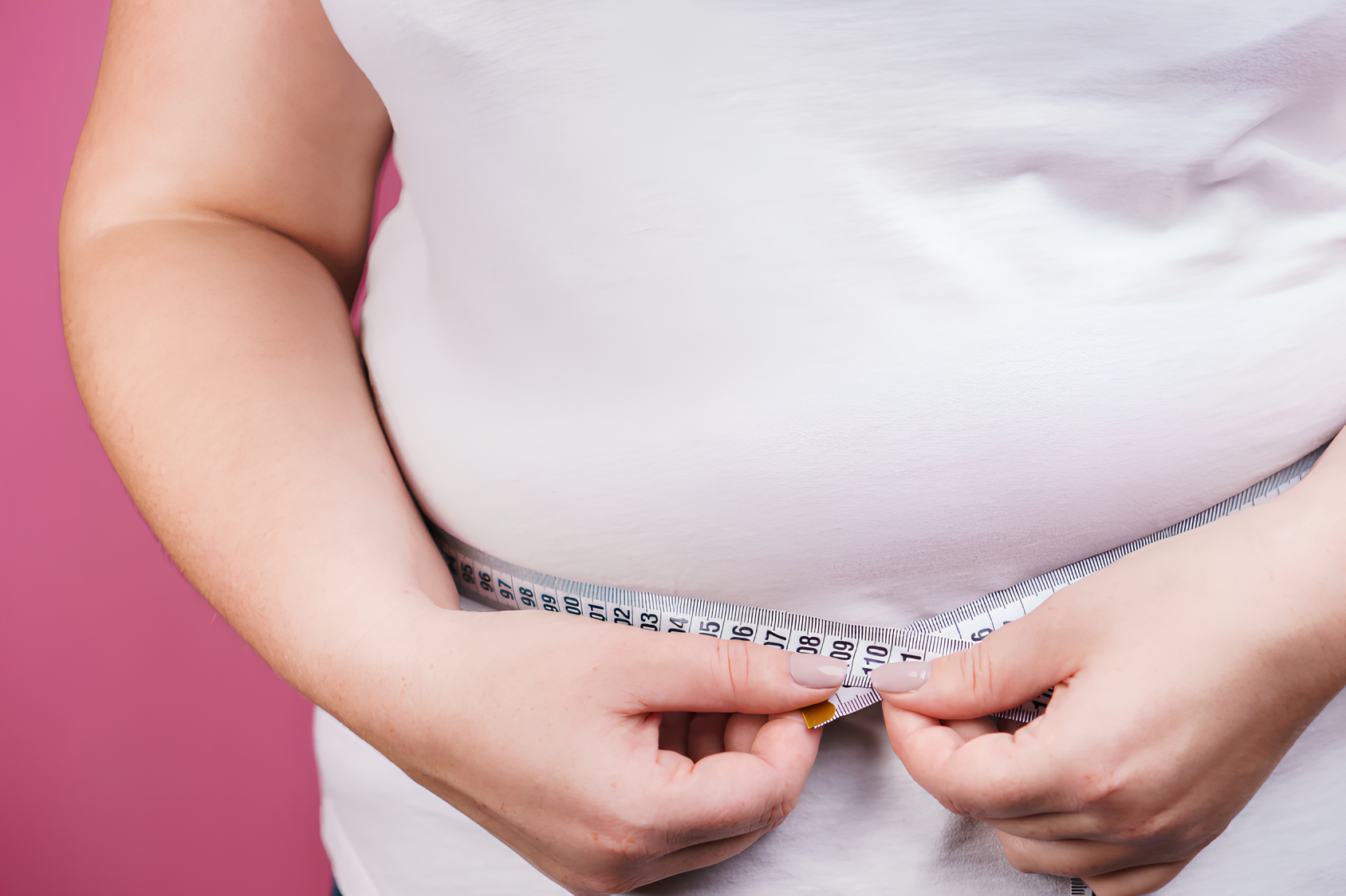
The scale alone is not enough. To assess whether you are truly losing fat mass rather than water or muscle, it is essential to use more accurate tools. Skinfold measurements, bioelectrical impedance analysis (BIA), tape measurements, or—when available—DEXA scans provide more reliable data on body composition. Even simple front and side photos taken regularly under similar conditions can offer effective visual feedback.
Tracking progress with objective criteria helps maintain motivation and awareness. Understanding that you are reducing fat mass even if the scale moves slowly is crucial to avoiding frustration and staying motivated over the medium to long term.
Losing weight safely: mistakes to avoid
Why extreme diets are dangerous
The desire to lose weight quickly can push many people toward extreme diets that promise immediate results but seriously endanger health. Overly restrictive or unbalanced eating plans can cause muscle loss, metabolic slowdown, hormonal disruptions, and severe nutritional deficiencies. In the long run, these effects compromise not only physical well-being, but also the ability to maintain results.
It is important to understand that safety in the weight loss process is not optional—it is essential. Relying on qualified nutrition and health professionals, avoiding extreme do-it-yourself solutions, and building a plan based on scientific principles is the smartest way to achieve fast results without harming your internal balance.
Common side effects and how to prevent them
Among the most common side effects of aggressive weight loss strategies are chronic fatigue, irritability, insomnia, hair loss, menstrual irregularities, and weakened immune function. These signals indicate that the body is under stress and that the chosen approach is exceeding physiological limits.
To avoid these consequences, a weight loss plan must be personalized and flexible. A varied diet, proper hydration, adequate recovery between workouts, and regular monitoring of key health parameters are essential tools for safe weight loss. Only a conscious approach allows you to achieve fast results while preserving both physical and mental health.
Maintaining results over time
Weight stabilization: how to avoid the yo-yo effect
One of the most common problems after rapid weight loss is difficulty maintaining results over the long term. This phenomenon, known as the yo-yo effect, occurs when weight is quickly regained—often with interest—due to a return to old habits or a slowed metabolism. To prevent this, it is essential to include a transition phase between a calorie-restricted diet and a return to maintenance eating, combined with consistent physical activity.
Weight stabilization requires the same level of attention and discipline as the active weight loss phase. Learning to recognize true hunger signals, managing emotions that influence eating behavior, and maintaining an active lifestyle are key to consolidating progress and avoiding frustrating setbacks.
Sustainable lifestyle and eating habits
To turn weight loss into a true lifestyle change, it is necessary to shift from a short-term mindset to a long-term vision. This means building sustainable habits that do not require excessive effort and can be maintained even in complex social, work, or family contexts. Eating mindfully, learning to plan meals, managing social occasions, and staying physically active on a regular basis are behaviors that help maintain a healthy weight naturally.
Losing weight quickly may be the first step, but the ability to make results last is what truly makes the difference. A balanced and intelligent approach leads to lasting well-being that goes far beyond the number on the scale.
Comments (0)