
Trolley
You have no items in your shopping cart

 Budgets
 Dumbers
 Discs
Discs
 Benches
 Racks and Rigs
 Weights Holders
 Isotonic machines
 Calisthenics
 Cardio
 Kettlebells
 Flooring
 Gym Set
 Accessories
 Combat
 ARTI MARZIALI
 CONTAINER GYM
 Tug-Of-War
 Used Gym Equipment
 PILATES MACCHINARI
 GINNASTICA ARTISTICA
 CAMPI DA PADEL
 Prodotti in Pronta Consegna
 Informazioni
 IRONMAN
 Gift Card
- Donatif
- General information
- 0 I like it
- 2860 Views
- 0 comments
- weight loss, body composition, body recomposition
READING TIME: 5 MINUTES ➤➤
Body Recomposition: Lose Fat and Gain Muscle
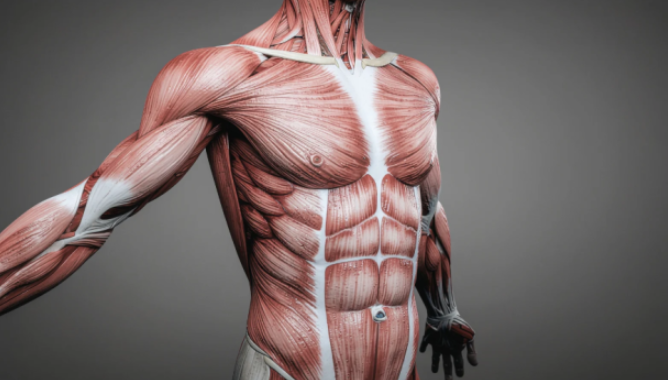
Body recomposition is one of the most fascinating and strategic challenges in the fitness world: losing fat while simultaneously building muscle mass. It’s not just an aesthetic goal, but a journey aimed at a deep improvement in physical condition, metabolic efficiency, and overall health. Unlike the traditional approach of "lose weight first, then tone up", recomposition delivers better results thanks to a holistic and intelligent method.
This guide is designed for those already familiar with training who want to take their body to the next level. We will explore how to work on nutrition, training, recovery, and mindset to strike a balance between fat loss and muscle building. Get ready to transform not only your body, but also your approach to fitness.
- Understanding Body Recomposition
- The Basics of Body Composition
- Effective Fat Loss Strategies
- Building Muscle While Losing Fat
- Optimizing Results: A Holistic Approach
- Common Mistakes and How to Avoid Them
Understanding Body Recomposition
What is Body Recomposition
Body recomposition is a process aimed at reducing fat mass and increasing muscle mass within the same timeframe. Contrary to the belief that cutting and bulking phases must be separate, increasing evidence shows that both can be achieved simultaneously with a well-calibrated approach. This strategy relies on the precise management of calories, training, and recovery, and is mainly suited for those with a solid fitness background.
The value of recomposition lies in the overall improvement of body composition: not only does the number on the scale change, but also how the body looks and functions. A person may weigh the same but look drastically different with more muscle and less fat. It’s a qualitative transformation that targets both performance and aesthetics.
How It's Different from Simple Weight Loss
Weight loss, in its most common form, means reducing total body weight, but that often includes muscle loss. Recomposition, instead, focuses on the selective reduction of body fat while preserving—or even increasing—lean muscle mass. This makes it a more complex, but far more effective and sustainable process over the long term.
The key is the simultaneous optimization of two opposite physiological processes: lipolysis (fat loss) and muscle protein synthesis (muscle gain). Balancing these requires tight control over nutrition, targeted workouts, and quality sleep and recovery. But the result is a leaner, stronger, more responsive body—with both aesthetic and functional benefits.
The Basics of Body Composition
Lean Mass vs. Fat Mass
Understanding the difference between lean mass and fat mass is essential for effective body recomposition. Lean mass includes everything that's not fat: muscles, bones, water, organs. Fat mass represents the body's adipose tissue, and can be either essential (necessary for survival) or stored in excess.
The goal of recomposition is to increase or maintain lean mass while reducing fat. This balance improves body density, muscle tone, and basal metabolic rate. It's important to note that a drop on the scale doesn't always equate to real improvement: what matters is the internal change in body composition.
How Body Composition Is Measured
To track progress in body recomposition, you need to use specific measurement tools rather than relying solely on weight. Common methods include skinfold calipers, impedance scales, DEXA scans, and bioelectrical impedance analysis (BIA). Each method has pros and cons, but all help to understand the ratio of fat to lean mass.
Consistent and objective tracking is essential for adjusting workouts and diet. Moreover, monitoring change over time—through photos, circumferences, and how you feel physically—keeps motivation high and helps tweak your plan if needed. Body fat percentage remains one of the most significant markers of successful recomposition.
Body Fat Percentage: Ranges and Interpretations
Every body is different, but there are general reference ranges for body fat percentage. For men, 10–15% is considered athletic; for women, it's 18–22%. Below these levels, you enter extreme ranges that may negatively affect hormonal and metabolic health, especially without professional guidance.
So, don’t chase “cover-model” percentages unless you're a competitive athlete. The goal of recomposition is not just to look better, but to function better: to improve strength, energy, posture, and metabolic health. Monitoring body fat percentage is useful, but should always be part of a broader wellness picture.
Effective Fat Loss Strategies
Controlled Caloric Deficit
The foundation of any fat loss process is a caloric deficit: burning more energy than you consume. However, for recomposition, the deficit must be neither too aggressive nor too long-lasting to avoid losing muscle. A gradual, sustainable approach tailored to your activity level and body composition is best.
A moderate deficit, combined with a diet rich in high-quality proteins, stimulates fat loss while preserving muscle. It’s also useful to cycle calorie intake based on workout intensity: higher intake on training days, lower on rest days. This flexible strategy supports positive metabolic adaptation and helps prevent plateaus.
High-Intensity Training (HIIT, Cardio)
To accelerate fat loss without compromising lean mass, adding high-intensity training sessions is highly effective. HIIT (High-Intensity Interval Training) boosts metabolism, promotes calorie burn even at rest (EPOC effect), and improves insulin sensitivity. It’s ideal for time-efficient workouts that deliver strong results.
Low-intensity steady-state cardio (LISS) also plays a role, especially during advanced cutting phases or deload weeks. Strategically combining HIIT and LISS, based on individual response and fatigue level, helps manage energy output effectively. The key is ensuring cardio doesn't impair weight training performance while prioritizing muscle preservation.
Optimizing Metabolism
Metabolism isn’t fixed—it adapts to your behavior and can be optimized through targeted choices. A balanced diet full of micronutrients, combined with good sleep, stress management, and resistance training, keeps energy expenditure high even in a caloric deficit. Building and maintaining muscle is the most effective long-term way to “boost metabolism.”
Additionally, planned “refeeds” or “diet breaks” can help reactivate a slowed metabolism, reducing the negative adaptations of restrictive dieting. The goal isn’t just to burn fat, but to do it intelligently—keeping the body efficient, resilient, and responsive. Metabolic awareness is what separates shallow weight loss from real body recomposition.
Building Muscle While Losing Fat
Hypertrophy Training Stimuli
Building muscle while losing fat is only possible if the body receives proper hypertrophy stimuli. This means well-structured resistance training with progressive overload and a focus on form. Muscles must be continually challenged to adapt: volume, intensity, and frequency need to be carefully calibrated to avoid both overtraining and stagnation.
The goal isn’t just to “burn calories” but to create the right environment for muscle protein synthesis. That’s why strength training is central to body recomposition. Each muscle group should be trained multiple times a week using compound lifts (like squats, deadlifts, pull-ups) that stimulate high muscular and hormonal activation. Quality training is what separates simple weight loss from building a better body.
The Importance of Load Progression
A common mistake in recomposition journeys is neglecting progressive overload. When in a caloric deficit, increasing weight may seem hard, but maintaining—or ideally progressing—strength is key to signaling the body to retain or build muscle. Even small progressions (reps, sets, shorter rests) are effective growth signals.
Tracking performance in the gym becomes an important indicator: if strength drops sharply, muscle loss may be occurring. Conversely, if strength is maintained or improves, it signals a positive, active recomposition. The focus must be on continuous improvement, even while in a cut.
The Role of Protein Intake
Protein intake is a fundamental pillar for building muscle while in a fat-loss phase. High protein intake (typically 1.6 to 2.4 g/kg of body weight) helps maintain positive nitrogen balance, reduce hunger, support protein synthesis, and aid recovery. It’s not just about quantity—quality matters too: choose complete, digestible protein sources.
Distributing protein evenly throughout the day, with balanced meals every 3–4 hours, enhances absorption and stimulates ongoing muscle growth. Supplementing with protein powders can help when daily needs are hard to meet through food alone. In short, targeted protein nutrition is a key lever that makes body recomposition possible.
Optimizing Results: A Holistic Approach
Managing Recovery and Stress
One of the most overlooked factors in body recomposition is recovery and stress management. Poor sleep, overtraining, and chronic stress impair both fat loss and muscle growth. The body is not a machine—it needs balance between stimulus and regeneration. Sleep, in particular, is when key hormonal and muscular repair processes occur.
Similarly, high stress levels raise cortisol, slow metabolism, and promote fat retention. Stress-reducing practices like meditation, deep breathing, outdoor walks, and active rest days make a significant difference over time. An effective recomposition plan must treat the individual as a whole—not just a training or diet plan.
Tracking Progress and Making Adjustments
Every body recomposition journey is highly individual. That’s why constant progress tracking using both objective and subjective indicators is vital. Weight, measurements, photos, gym performance, and how you feel provide a fuller picture. A drop in weight with no inch loss may mean muscle loss; a weight gain with reduced measurements may mean muscle gain.
Based on these signals, targeted adjustments can be made: increasing or lowering calories, modifying workout splits, inserting maintenance phases. Strategic flexibility backed by data is the key to steady progress and overcoming plateaus. Recomposition is not a static plan but a dynamic adaptation process.
Synergy Between Nutrition, Training, and Mindset
The real power of a body recomposition approach lies in the synergy of multiple factors. Nutrition provides the building blocks, training delivers the stimulus, and mindset ensures consistency. Neglecting any one element can sabotage the entire process. It takes coherence, dedication, and the ability to adapt—accepting that change requires discipline and patience.
Investing in your body is not just about counting calories or doing squats, but adopting a long-term vision oriented toward physical and mental excellence. Those who harmonize these elements not only transform visibly but also change their relationship with food, training, and self-perception. That’s the real evolution body recomposition offers.
Common Mistakes and How to Avoid Them
Losing Weight Too Fast
One of the most common mistakes in recomposition is trying to lose weight too quickly. Drastically cutting calories may lead to fast weight loss, but most of it will be muscle and water, not fat. Plus, extreme restriction causes fatigue, constant hunger, metabolic slowdown, and a higher dropout rate.
To preserve muscle and keep metabolism high, it's crucial to move in small, sustainable steps. Weekly progress tracking keeps the intervention effective without compromising long-term results. In recomposition, the quality of weight loss matters more than quantity.
Underestimating the Importance of Strength Training
Many still believe that cardio and calorie cuts are enough to lose fat. But for effective body recomposition, strength training is non-negotiable. It's the only stimulus that can preserve or build muscle during a caloric deficit. Ignoring it results in a smaller, but not necessarily fitter or stronger body.
Strength training should be planned with the same care as a diet: proper loads, progression, compound movements, and optimal recovery. Even if your only goal is fat loss, remember that muscle is your real ally in getting lean. Without it, every aesthetic or compositional improvement will be partial and unstable.
Skipping Body Composition Monitoring
A subtle but critical mistake is failing to regularly monitor key parameters. Relying solely on the scale can be misleading, as it doesn’t reflect changes in body composition. For instance, you can lose fat and gain muscle without a change in weight—but your body will look different.
Tools like photos, tape measurements, impedance analysis, and workout logs are essential to evaluate if the plan is working. Body recomposition is a nuanced process that requires awareness and smart tracking. That’s the only way to make informed decisions and adjust the course in time.
Comments (0)