
Trolley
You have no items in your shopping cart

 Budgets
 Dumbers
 Discs
Discs
 Benches
 Racks and Rigs
 Weights Holders
 Isotonic machines
 Calisthenics
 Cardio
 Kettlebells
 Flooring
 Gym Set
 Accessories
 Combat
 ARTI MARZIALI
 CONTAINER GYM
 Tug-Of-War
 Used Gym Equipment
 PILATES MACCHINARI
 GINNASTICA ARTISTICA
 CAMPI DA PADEL
 Prodotti in Pronta Consegna
 Informazioni
 IRONMAN
 Gift Card
- Donatif
- General information
- 0 I like it
- 2248 Views
- 0 comments
- gym, sports, Stretching
READING TIME: 5 MINUTES ➤➤
Testosterone and Insulin: The Key Hormones of Body Composition
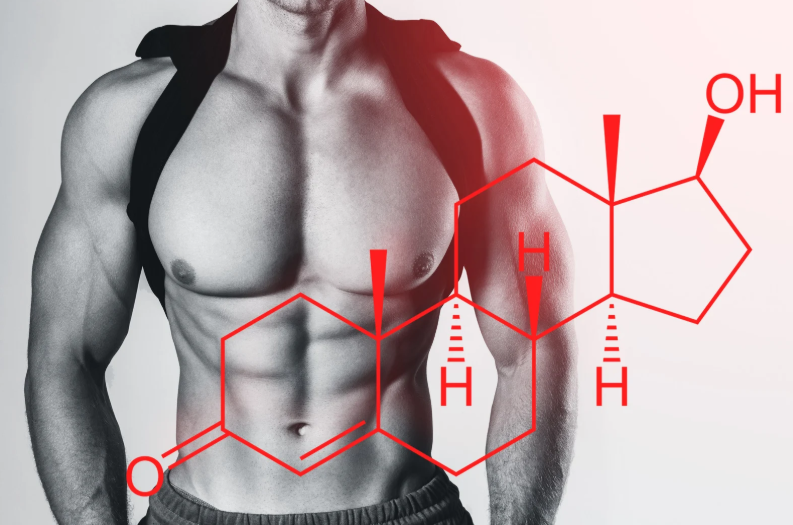
In the field of endocrinology applied to fitness, few factors influence body composition as significantly as testosterone and insulin. Understanding their physiological mechanisms means gaining real control over physical results, going beyond simple dieting or workout programming. For advanced athletes and industry professionals, true optimization comes from mastering deep metabolic processes.
These two hormones act as central regulators of anabolism, energy metabolism, and nutrient partitioning. Analyzing their interaction makes it possible to intervene naturally and scientifically in order to maximize muscle growth and improve body fat control.
- The physiological role of testosterone
- Insulin and metabolic regulation
- Interaction between testosterone and insulin
- Implications for body composition
- Natural optimization strategies
The physiological role of testosterone in muscle growth
Testosterone is the primary male anabolic hormone and plays a highly relevant role in female physiology as well. It regulates protein synthesis, increases bone mineral density, and promotes the development of lean muscle mass. Its action is not limited to muscle tissue, but also directly affects lipid metabolism and body fat distribution.
Optimal testosterone levels support a metabolic environment oriented toward growth and performance. When its concentration is adequate, recovery capacity improves, training response is amplified, and nitrogen balance tends to remain positive—an essential condition for hypertrophy.
Endogenous production and the hypothalamic-pituitary-gonadal axis
Testosterone production is regulated by the hypothalamic-pituitary-gonadal axis, a sophisticated feedback system that modulates hormonal secretion according to physiological needs. Gonadotropin-releasing hormone stimulates the pituitary gland, which in turn signals the testes to produce testosterone.
Any disruption of this axis—caused by chronic stress, excessive caloric restriction, or sleep deprivation—can reduce endogenous secretion. For the natural athlete, preserving the integrity of this system is essential to sustain consistent long-term progress.
Anabolic mechanisms and impact on lipid metabolism
At the cellular level, testosterone binds to androgen receptors, activating processes that increase protein synthesis and stimulate the mTOR pathway. This translates into greater muscle mass and improved post-workout recovery efficiency.
At the same time, testosterone influences lipid metabolism by promoting lipolysis and reducing visceral fat accumulation. An optimal hormonal profile therefore improves nutrient partitioning, directing calories toward muscle tissue rather than fat storage.
Insulin: central regulator of blood glucose and nutrient partitioning
Insulin is often misunderstood in the fitness context, yet it is one of the most powerful hormones for managing blood glucose and nutrient transport. Produced by the pancreas in response to rising blood glucose levels, it allows cells to absorb glucose through GLUT-4 transporters.
In muscle tissue, insulin facilitates the entry of glucose and amino acids, creating a highly anabolic environment. However, when insulin sensitivity declines, the same hormone can contribute to fat accumulation and metabolic dysfunction.
Secretion, glucose transport, and insulin sensitivity
Insulin sensitivity determines how effectively cells respond to insulin signaling. High sensitivity enables better glycemic control and more efficient carbohydrate utilization for energy or structural purposes.
Strength training, regular physical activity, and proper glycemic load management are key tools for maintaining efficient insulin response. In trained individuals, skeletal muscle becomes a powerful metabolic sink, significantly improving blood glucose control.
Insulin and fat accumulation: when it becomes a problem
Under conditions of chronic hyperinsulinemia, the body tends to favor lipogenesis and inhibit lipolysis. This results in increased fat mass, especially when accompanied by a consistent caloric surplus.
Strategic carbohydrate management and careful control of energy balance are therefore essential to prevent an anabolic hormone from becoming a limiting factor in achieving a lean physique.
Metabolic interaction between testosterone and insulin
The relationship between testosterone and insulin represents a clear example of endocrine cross-talk. These hormones do not act in isolated compartments but influence each other’s signaling pathways.
Improved insulin sensitivity is often associated with higher levels of free testosterone, while insulin resistance can contribute to reduced androgen production.
Endocrine cross-talk and anabolic signaling
Both hormones converge on the regulation of the mTOR pathway, a central node of muscle anabolism. When testosterone and insulin are in balance, the cellular environment becomes strongly growth-oriented.
This balance optimizes nutrient partitioning, enhancing the muscle’s ability to use glucose and amino acids for the construction of new contractile tissue.
Insulin resistance and reduced testosterone
Chronic insulin resistance is associated with increased systemic inflammation and a deterioration of the hormonal profile. Several physiological mechanisms link this condition to reductions in both total and free testosterone levels.
Early intervention through improved diet quality, optimized body composition, and regular physical activity helps preserve endocrine balance and maintain high metabolic performance.
Implications for body composition
The synergy between testosterone and insulin determines the energetic fate of nutrients consumed through diet. A favorable hormonal environment directs calories toward muscle growth rather than fat accumulation.
Understanding these mechanisms enables athletes to precisely plan bulking and cutting phases, minimizing muscle loss while maximizing metabolic efficiency.
Protein synthesis and muscle growth
The combination of mechanical stimulus and a supportive hormonal environment amplifies the hypertrophic response. Testosterone and insulin cooperate to facilitate amino acid uptake and activate intracellular anabolic pathways.
Careful control of protein intake and nutrient timing can further enhance these effects, particularly in individuals with high muscle mass and increased metabolic demands.
Fat oxidation and body fat control
An optimal testosterone profile promotes fatty acid mobilization, while good insulin sensitivity prevents prolonged glycemic spikes that encourage fat storage.
The balance between these factors is the key to achieving effective and sustainable body recomposition over time.
Natural strategies to optimize hormonal profile
Natural optimization of hormonal profile requires an integrated approach that includes training, nutrition, and stress management. There are no shortcuts, but there are scientifically valid strategies.
For advanced athletes, monitoring metabolic parameters and paying attention to physiological signals represent concrete tools for targeted and measurable intervention.
Training, intensity, and endocrine stimulus
High-intensity strength training acutely stimulates testosterone secretion and improves insulin sensitivity in skeletal muscle. Periodized and progressive programs maximize this effect.
Controlling training volume and recovery is crucial to avoid systemic overload and chronic reductions in androgen levels.
Nutrition, carbohydrate timing, and insulin sensitivity
Strategic carbohydrate distribution around workouts improves nutrient partitioning. This allows insulin to be used as an anabolic ally rather than becoming a metabolic liability.
A diet rich in micronutrients such as zinc, vitamin D, and magnesium also naturally supports endocrine physiology.
Sleep, stress, and hormonal regulation
Deep sleep is one of the main modulators of testosterone secretion. Chronic deprivation can significantly reduce its levels.
Stress management and cortisol reduction help preserve the balance between anabolism and catabolism, supporting an optimal metabolic environment for performance and body composition.
Comments (0)