
Trolley
You have no items in your shopping cart

 Budgets
 Dumbers
 Discs
Discs
 Benches
 Racks and Rigs
 Weights Holders
 Isotonic machines
 Calisthenics
 Cardio
 Kettlebells
 Flooring
 Gym Set
 Accessories
 Combat
 ARTI MARZIALI
 CONTAINER GYM
 Tug-Of-War
 Used Gym Equipment
 PILATES MACCHINARI
 GINNASTICA ARTISTICA
 CAMPI DA PADEL
 Prodotti in Pronta Consegna
 Informazioni
 Gift Card
- Donatif
- General information
- 0 I like it
- 341 Views
- 0 comments
- gym flooring, safety flooring, gym safety, shock-absorbing materials
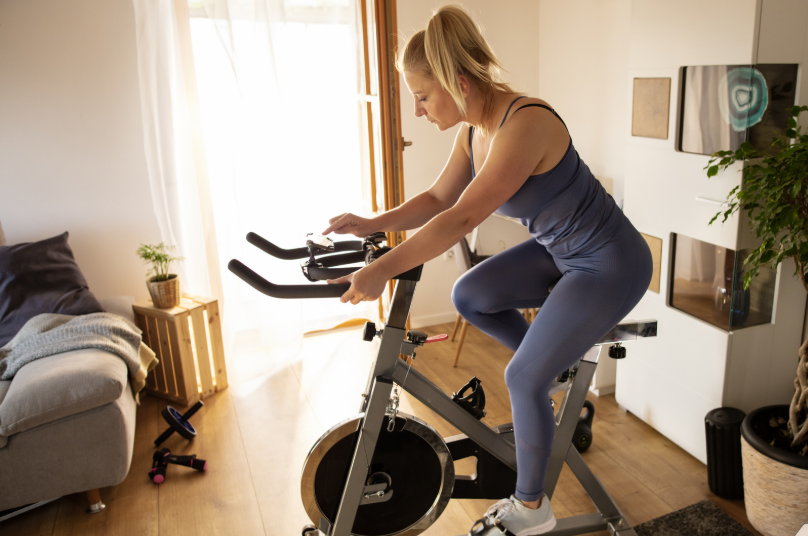
Rowing Machine vs Treadmill vs Exercise Bike: Which One Should You Choose Based on Your Goals?
When looking for a cardio machine to train at home, the most common question is whether to choose a rowing machine, treadmill, or exercise bike. All three help improve cardiovascular endurance and increase calorie expenditure, but they do so in very different ways. The right choice mainly depends on your personal goals, available space, and the type of workout you want to maintain over the long term.
Many users buy cardio equipment without evaluating essential aspects such as muscle engagement, joint impact, or long-term workout sustainability. Understanding the practical differences between these solutions helps avoid impulsive purchases and allows you to invest in equipment that truly suits your daily needs.
- How training changes between a rowing machine, treadmill, and exercise bike
- Which cardio machine to choose for weight loss
- Cardio training and muscle mass preservation
- Joint impact and workout comfort
- Available space and home practicality
- Who each cardio machine is recommended for
How training changes between a rowing machine, treadmill, and exercise bike
The main difference between these machines lies in how the body is engaged during movement. The treadmill simulates walking and running, focusing most of the effort on the lower body and cardiovascular system. It is an intuitive and straightforward option, often chosen by people who want to replicate traditional aerobic activities at home.
The rowing machine, on the other hand, provides a more complete and technical workout. During the movement, legs, back, core, and arms are activated in a coordinated muscular chain. This makes the rowing machine particularly interesting for those who want to combine cardiovascular work and muscle activation in a single session.
Main differences in muscle engagement
From a muscular perspective, the treadmill mainly targets quadriceps, calves, and glutes. The exercise bike works similarly but with lower joint impact and less technical involvement. Both are simple to use, even for beginners.
The rowing machine stands out because it provides almost full-body involvement. During every pull, several muscle groups are activated simultaneously, increasing the perception of a complete workout. This can be a major advantage for people looking to optimize their training time.
Cardiovascular intensity and calorie burn
In terms of cardiovascular intensity, the treadmill remains one of the most effective tools, especially during steady running sessions or interval training. Its high calorie expenditure often makes it the first choice for people who associate cardio primarily with weight loss.
However, the rowing machine can also achieve very high calorie burn levels thanks to the simultaneous involvement of multiple muscle groups. The exercise bike tends to offer a more gradual and sustainable workout, ideal for longer or more frequent training sessions.
Which cardio machine to choose for weight loss
When it comes to weight loss, there is no universally superior machine. The best choice depends on your ability to maintain consistency, proper intensity, and comfort during workouts. A machine that feels too demanding or impractical is more likely to be abandoned after a few weeks.
People looking for concrete results should consider not only theoretical calorie burn but also the long-term sustainability of the workout. In this sense, the best solution is often the one that allows consistent training without excessive physical or mental fatigue.
When the treadmill may be the most effective choice
The treadmill is highly effective for people who enjoy walking or running and want a direct and intuitive cardio activity. The ability to adjust speed and incline allows precise intensity customization, progressively increasing cardiovascular workload.
It is especially suitable for users already accustomed to running or for those who want to improve aerobic endurance and maximize calorie burn. However, for people with joint problems or significant excess weight, repetitive impact may feel less comfortable.
Why the rowing machine offers a more complete workout
The rowing machine is an excellent option for people who want to combine weight loss and toning. Simultaneous involvement of legs, core, and arms increases overall muscular work and makes the workout particularly dynamic.
Many users also appreciate that the rowing machine maintains relatively low joint impact compared to running. This makes it suitable for both motivated beginners and people seeking intense workouts with less stress on the body.
When the exercise bike is the most sustainable solution
The exercise bike is often underestimated, yet it remains one of the most practical solutions for consistent training. Its guided movement and low joint impact make it possible to sustain even long sessions without excessive physical stress.
For sedentary users, busy parents, or people looking for gradual activity, the exercise bike can be the most realistic choice. Although muscle involvement is lower than with a rowing machine, ease of use encourages greater consistency.
Cardio training and muscle mass preservation
One of the most common concerns is the relationship between cardio and maintaining muscle mass. Excessively long and repetitive cardiovascular workouts can reduce recovery and increase muscle catabolism, especially during calorie-restricted diets.
For this reason, many people look for machines that allow good muscle activation even during aerobic work. In this context, the rowing machine offers clear advantages thanks to its full-body involvement.
The role of the rowing machine in full-body workouts
The rowing machine naturally alternates cardiovascular work and muscular activation. The technical rowing movement requires coordinated leg drive, core stability, and arm pulling, creating a broader training stimulus compared to other cardio machines.
This approach can help people preserve muscle tone and mass while incorporating regular cardio sessions into their home fitness routine.
Exercise bikes and treadmills in maintenance programs
Treadmills and exercise bikes still remain valid tools within balanced fitness programs. When used with controlled intensity and combined with strength training, they can improve cardiovascular fitness without compromising body composition.
The main difference lies in the type of muscular stimulus produced. The treadmill emphasizes the lower body more heavily, while the exercise bike focuses on continuity and fatigue management.
Joint impact and workout comfort
Joint impact is a crucial factor, especially for beginners, sedentary individuals, or overweight users. Overly traumatic workouts may lead to discomfort in the knees, ankles, or lower back.
In general, exercise bikes and rowing machines are gentler compared to treadmills. Their fluid and guided movements reduce stress on the joints and allow more frequent workouts without excessive biomechanical strain.
Recommended machines for beginners or sedentary people
For those returning to cardio after a long period of inactivity, the exercise bike is often the easiest choice. Stable posture and simple movement help gradually build endurance and training habits.
The rowing machine requires slightly more technique but offers a more balanced distribution of effort. The treadmill can also be introduced progressively, starting with brisk walking.
Low-impact cardio for frequent workouts
Frequent training requires equipment that is sustainable from a joint health perspective. In this scenario, exercise bikes and rowing machines are particularly suitable because they allow easy adjustment of intensity and duration.
People suffering from knee discomfort or looking to reduce overload risk often prefer these options over traditional treadmill running.
Available space and home practicality
Space management is one of the most important aspects of a home gym. Some users have a dedicated room, while others need to place the machine in the living room or bedroom.
Beyond dimensions, factors such as noise level, portability, and ease of use also matter. Equipment that is too bulky or difficult to manage is less likely to be used consistently.
Which machine takes up the least space
The upright exercise bike is generally the most compact and easiest option to place at home. There are also foldable models specifically designed for smaller environments.
Some modern rowing machines can also be stored vertically, reducing their footprint when not in use. Treadmills, however, usually require more operational space, especially running-oriented models.
Noise, maintenance, and ease of use
From a practical perspective, the exercise bike is often the quietest and easiest machine to maintain. Air rowing machines may generate more noise during intense pulls, while treadmills generally require more maintenance.
Ease of use remains high across all categories, especially in models designed for daily home workouts.
Who each cardio machine is recommended for
The final choice should mainly depend on the type of training experience you want to achieve. There is no perfect machine overall, but there is one that best fits your priorities.
Evaluating goals, workout frequency, comfort, and available space helps avoid unsuitable purchases and build a more sustainable long-term routine.
When to choose a rowing machine
The rowing machine is especially recommended for people looking for a complete workout, who want to engage most muscle groups and combine cardio and toning in a single activity.
It is also particularly appealing to users seeking intense exercise with relatively low joint impact compared to traditional running.
When to prefer a treadmill or exercise bike
The treadmill remains ideal for people who enjoy walking or running and want a more direct and dynamic cardio experience. The exercise bike, on the other hand, is a practical, accessible, and sustainable solution for frequent low-impact workouts.
Analyzing your lifestyle and real fitness goals allows you to choose the most suitable cardio machine more consciously, avoiding unsatisfactory compromises in the long run.
Comments (0)