
Trolley
You have no items in your shopping cart

 Budgets
 Dumbers
 Discs
Discs
 Benches
 Racks and Rigs
 Weights Holders
 Isotonic machines
 Calisthenics
 Cardio
 Kettlebells
 Flooring
 Gym Set
 Accessories
 Combat
 ARTI MARZIALI
 CONTAINER GYM
 Tug-Of-War
 Used Gym Equipment
 PILATES MACCHINARI
 GINNASTICA ARTISTICA
 CAMPI DA PADEL
 Prodotti in Pronta Consegna
 Informazioni
 IRONMAN
 Gift Card
- Donatif
- Sports products
- 0 I like it
- 4037 Views
- 0 comments
READING TIME: 7 MINUTES ➤➤
Gym equipment maintenance is a fundamental activity both for fitness center owners and for individuals with a home gym. Keeping machines and equipment in perfect condition is not only a matter of aesthetics or functionality, but it directly concerns user safety, the longevity of investments, and the quality of the training experience. In this article you will discover how to take care of every detail of your gym, from routine maintenance tasks to technical inspections, including regulatory and hygiene aspects.
- The importance of maintenance for gyms and home gyms
- Routine maintenance: what to do and how often
- How to prevent equipment wear
- Extraordinary interventions: when it’s time to repair or replace
- Regulations, safety, and responsibility
- Practical checklist for effective maintenance
The importance of maintenance for gyms and home gyms
Benefits of regular maintenance
Regularly performing gym equipment maintenance ensures consistent performance, reduces the risk of injuries, and significantly extends the useful life of every machine or accessory. A well-maintained training environment conveys professionalism, increases customer trust, and drastically reduces costs related to unexpected breakdowns or premature replacements. For private users, it represents a practical way to protect their investment and maintain high motivation.
Risks associated with neglected equipment
Neglecting gym equipment care can lead to serious consequences: from rapid material deterioration to dangerous situations for users. Worn cables, loose screws, or slippery surfaces are just a few examples of issues that can cause accidents. In addition, poor maintenance damages the image of the fitness center and may lead to penalties during inspections. Prevention is always less expensive than intervention.
Routine maintenance: what to do and how often
Daily cleaning and surface hygiene
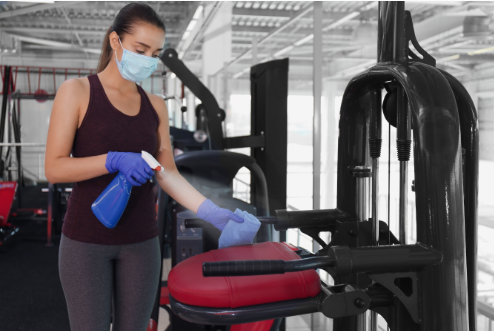
Cleaning represents the first step in maintenance. It is essential to sanitize contact surfaces daily—such as handles, seats, screens, and platforms—using suitable cleaning products and microfiber cloths. This reduces the spread of bacteria and ensures a healthy environment. During peak periods or when specific health regulations apply, cleaning operations should be intensified several times a day.
Weekly checks on screws, bolts, and cables
Each week it is advisable to carry out mechanical inspections on all equipment: checking cable integrity, structure stability, and the tightness of screws and bolts. When performed regularly, these inspections help detect early signs of wear or damage. It is recommended to document every check in a maintenance log, maintaining a history that may be useful for future interventions.
Lubrication and adjustment of moving mechanisms
Moving mechanisms such as pulleys, levers, and pistons should be periodically lubricated with specific products to ensure smooth movement and reduce friction. The calibration of adjustments—for example on multifunction benches or cardio machines—should also be monitored to ensure precision and comfort during use. Proper maintenance also improves the perceived quality of the equipment among users.
How to prevent equipment wear
Proper use of gym equipment by users
An often overlooked aspect is educating users on the correct use of equipment. The most frequent damages come from improper use: dumbbells dropped on the floor, forced levers, or abrupt adjustments. For this reason, it is helpful to display visible instructions near each machine and train staff to intervene promptly in cases of misuse.
Choice of materials and build quality
Preventing wear begins at the moment of purchase. Choosing equipment made with durable and certified materials is an investment that pays off over time. Professional-grade machines generally offer greater durability and spare-part availability compared to cheaper products. In addition, reliable suppliers often provide technical support and helpful advice for maintenance.
Extraordinary interventions: when it’s time to repair or replace
Signs of malfunction that should not be ignored
When a machine starts producing unusual noises, loses movement smoothness, or shows evident signs of deterioration, it is crucial to intervene immediately. Ignoring these warning signs can lead to more serious breakdowns or risks for the user. Malfunctioning equipment must be isolated and inspected by qualified personnel before being used again.
Components most subject to wear and replacement
Among the elements that wear out most quickly are cables in isotonic machines, rubber handles, bench padding, and electronic systems in treadmills. Keeping an updated inventory of available spare parts and relying on specialized suppliers helps speed up replacement times. It is good practice to allocate part of the annual budget to extraordinary maintenance.
When to contact a specialized technician
Not all maintenance operations can be performed independently. In case of complex failures or suspected electrical issues, it is always advisable to contact a certified technician. Besides ensuring professional repairs, a specialist can carry out thorough inspections on multiple machines during a single visit, optimizing both costs and intervention times.
Regulations, safety, and responsibility
Safety standards for fitness equipment
Gym equipment must comply with specific safety regulations such as UNI EN ISO 20957, which governs the design and requirements of fitness machines. These certifications ensure compliance with international quality and reliability standards. Gym owners are required to periodically verify the compliance of their equipment and keep technical manuals and product documentation.
Legal obligations for gym owners
The law imposes specific responsibilities on those who manage a gym: from facility maintenance to environmental hygiene and staff training. In the event of injuries caused by poorly maintained equipment, the owner may be held civilly and criminally liable. Having a documented and traceable maintenance plan is an essential tool for legal and professional protection.
Practical checklist for effective maintenance
Useful tools to always have available
To carry out efficient maintenance, it is helpful to prepare a small technical kit including wrenches, lubricants, cleaning products, cloths, adhesive labels, basic spare parts, and a paper or digital logbook. Organizing everything in a dedicated cabinet allows quick and systematic interventions. Staff should also be trained to perform simple routine checks independently.
Planning and recording interventions
A good maintenance system requires scheduled planning: daily, weekly, and monthly checks must be assigned and recorded. The use of technical sheets or management software can greatly simplify the process. Documenting every intervention helps track recurring issues and demonstrates commitment to equipment care in the event of inspections or legal disputes.
Comments (0)