
Trolley
You have no items in your shopping cart

 Budgets
 Dumbers
 Discs
Discs
 Benches
 Racks and Rigs
 Weights Holders
 Isotonic machines
 Calisthenics
 Cardio
 Kettlebells
 Flooring
 Gym Set
 Accessories
 Combat
 ARTI MARZIALI
 CONTAINER GYM
 Tug-Of-War
 Used Gym Equipment
 PILATES MACCHINARI
 GINNASTICA ARTISTICA
 CAMPI DA PADEL
 Prodotti in Pronta Consegna
 Informazioni
 IRONMAN
 Gift Card
- Donatif
- Sports products
- 0 I like it
- 2920 Views
- 0 comments
READING TIME: 5 MINUTES ➤➤
Home Gym: Complete Setup & Cost Guide 2026
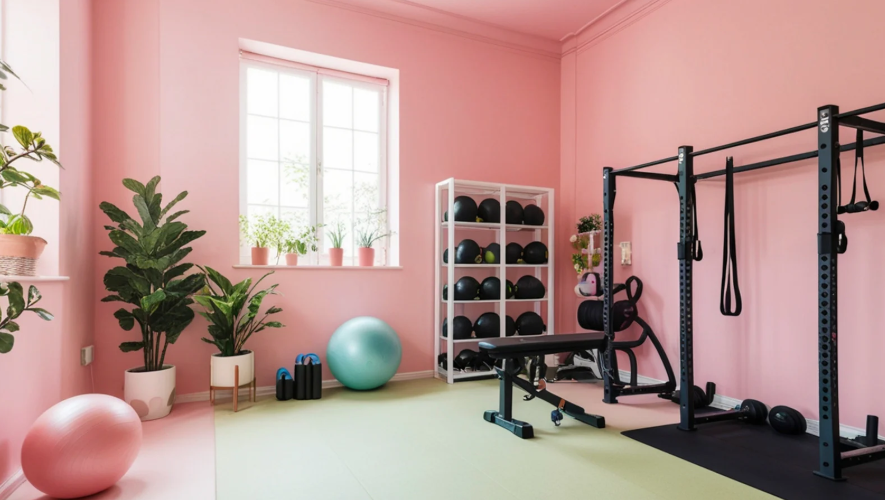
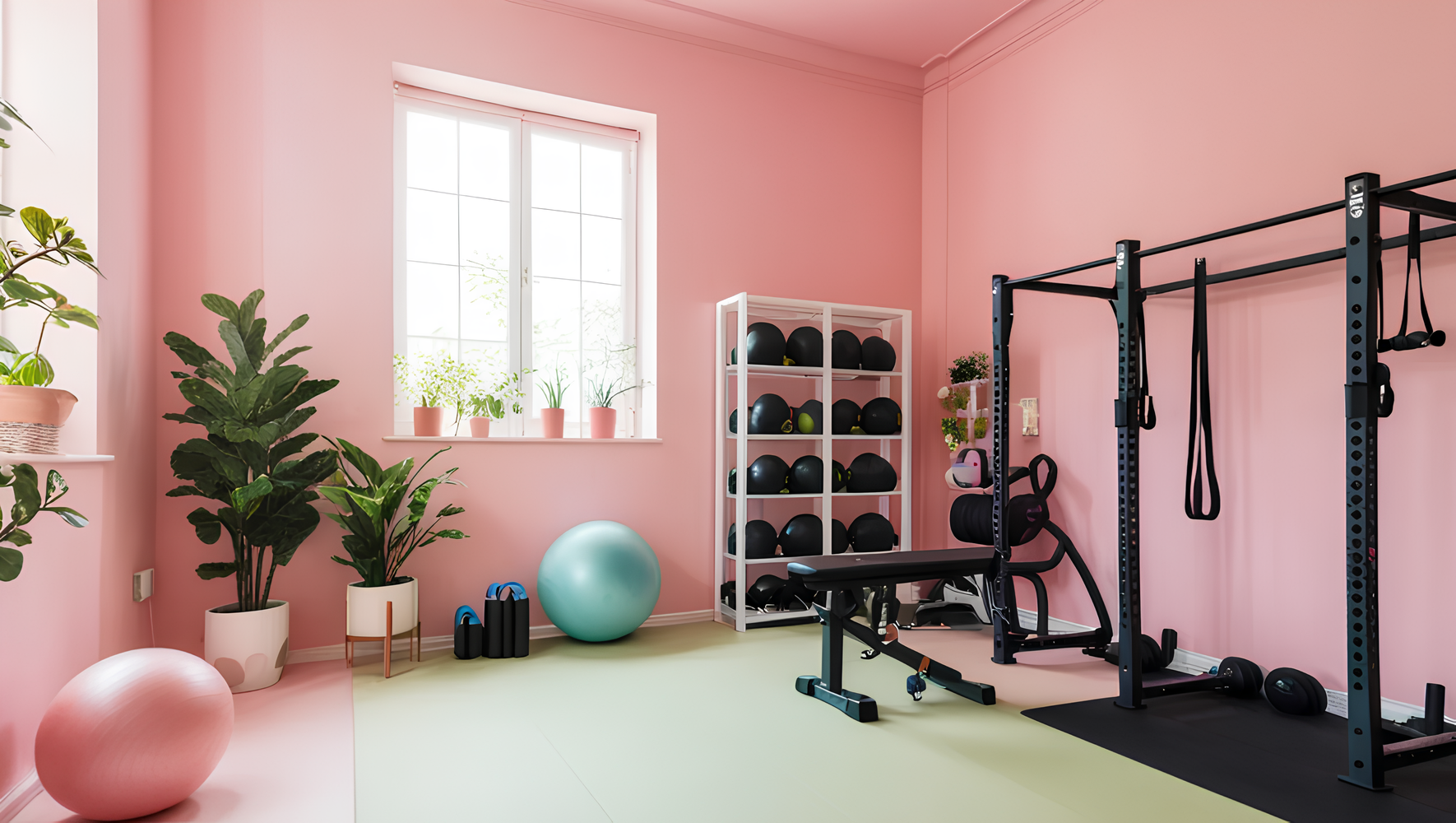
Setting up a home gym is not just a matter of convenience, but a real investment in your well-being and quality of life. In 2026, more and more people are canceling their traditional gym memberships to create personalized fitness spaces at home. This complete guide will help you understand how to plan your home gym, how much it really costs, and which equipment to choose based on your budget and available space.
- Why invest in a home gym
- How much does a home gym cost in 2026
- Space requirements and smart solutions
- What equipment to choose for your home gym
- Types of home gyms and alternative models
- How to calculate home gym ROI
Why invest in a home gym
Investing in a home gym means taking control of your time, resources, and health. Training at home eliminates the logistical barriers of commuting and fixed commercial gym schedules. In an era where time is increasingly valuable, having a dedicated home fitness space allows you to make the most of every available minute without compromising workout quality.
Beyond convenience, the financial aspect is key: building your own home gym requires an initial investment, but it translates into significant long-term savings. Annual memberships, transport, parking, and extra costs are completely eliminated. Plus, the freedom to train at your own pace encourages greater consistency and motivation.
How much does a home gym cost in 2026
The cost of a home gym can vary significantly depending on personal choices, but there are general price ranges for every need. With around €500–800, you can already set up a basic two-equipment gym, such as an adjustable barbell and a multifunctional bench. Between €1,500–3,000, you enter the mid-range with professional-grade gear, technical flooring, and support accessories.
For those seeking advanced or personalized solutions, such as a container gym or an outdoor structure, the budget can exceed €5,000. In any case, it's important to evaluate not just the purchase price but also the use value: a well-planned investment can pay for itself in just a few years, offering a much higher economic and functional return than a commercial gym membership.
Space requirements and smart solutions
One of the most common obstacles for those dreaming of a home gym is the belief that there's not enough space. In reality, you can create a functional workout area even in very small rooms. A 6–8 m² room can easily fit a bench, free weights, and compact equipment. The key is strategic planning, favoring multifunctional and foldable solutions.
Those with access to a garage, terrace, or garden can use outdoor areas to set up a container gym — a prefabricated structure offering insulation and long-term durability. Alternatively, there are modular kits that turn an empty wall into a real home fitness box, with integrated functions and minimal footprint. The secret lies in optimization: every square meter can be made productive with the right organization.
What equipment to choose for your home gym
The choice of equipment depends on three main factors: personal goals, available space, and budget. For beginners, just a few tools are enough: an adjustable bench, adjustable dumbbells, kettlebells, and a non-slip mat can cover a full range of functional exercises. If selected carefully, these tools already enable a complete workout for strength, endurance, and mobility.
For advanced users or those aiming to completely replace a commercial gym, additional equipment like Olympic barbells, racks, adjustable cables, and isotonic machines can be added. It's essential to assess material quality, safety, and versatility. Some solutions combine multiple exercises into a single machine, maximizing both space and investment.
Types of home gyms and alternative models
Today, there are many ways to create a personalized home gym. The most classic involves dedicating an entire room inside the house. However, for those who need modularity or must share the space with other uses, hybrid solutions are increasingly popular: foldable furniture, design-integrated equipment, or portable boxes that can be easily disassembled.
An emerging trend is the container gym: insulated prefabricated outdoor gyms, already equipped with everything needed. These structures are perfect for those who want independence without invasive construction work. Other options include garage or basement fitness boxes, ideal for repurposing unused space with minimal effort.
How to calculate home gym ROI
One of the most underrated benefits of a home gym is the ability to accurately calculate the return on investment (ROI). Suppose someone spends €2,000 to set up their home gym. Considering that a commercial gym averages €600 per year, the investment pays for itself in just over 3 years. After that, every workout is pure savings.
But ROI isn't only about money. There's also value in time saved, better workout adherence, and improved quality of life. Working out at home reduces logistical stress, boosts consistency, and promotes a healthier lifestyle. Investing in a home gym isn’t a cost — it’s a long-term strategic move for your physical, mental, and financial well-being.
Comments (0)