
Trolley
You have no items in your shopping cart

 Budgets
 Dumbers
 Discs
Discs
 Benches
 Racks and Rigs
 Weights Holders
 Isotonic machines
 Calisthenics
 Cardio
 Kettlebells
 Flooring
 Gym Set
 Accessories
 Combat
 ARTI MARZIALI
 CONTAINER GYM
 Tug-Of-War
 Used Gym Equipment
 PILATES MACCHINARI
 GINNASTICA ARTISTICA
 CAMPI DA PADEL
 Prodotti in Pronta Consegna
 Informazioni
 IRONMAN
 Gift Card
- Donatif
- Sports products
- 0 I like it
- 2487 Views
- 0 comments
- gym flooring, safety flooring, gym safety, shock-absorbing materials
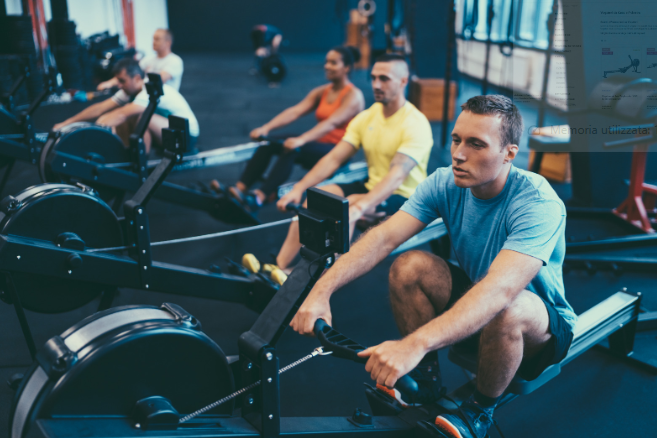
READING TIME: 5 MINUTES ➤➤
Water vs Air vs Magnetic Rowing Machines: Differences and Which to Choose
Choosing a rowing machine may seem simple until you are faced with the different resistance technologies available on the market. Many users focus only on price or design without understanding how much the braking system actually affects workout quality. In reality, a water rowing machine, an air rower, and a magnetic rower provide completely different sensations, both in terms of smoothness and perceived intensity.
Understanding these differences helps avoid unsuitable purchases. Some models prioritize a realistic rowing feel, while others focus on quiet operation or maximum cardiovascular intensity. Properly evaluating pros, cons, and usage scenarios is therefore essential to choosing the rowing machine that best matches your fitness goals.
- How different rowing resistance systems work
- Practical differences during workouts
- Advantages and limitations of each technology
- Which rowing machine to choose based on your goals
- What to consider before buying
How Different Resistance Systems Work in Rowing Machines
Modern rowing machines use different systems to generate resistance during the pulling movement. This characteristic changes the behavior of the machine, the response to effort, and the overall workout experience. Understanding how each system works is the first step toward identifying the technology best suited to your needs.
The choice is not only about difficulty level. Factors such as smoothness, maintenance, noise level, and resistance progression also come into play. Each solution offers specific advantages that may be more or less suitable for home or professional environments.
The Principle Behind Water Resistance
In a water rowing machine, resistance is generated by paddles rotating inside a water-filled tank. The harder you pull, the greater the resistance created by the movement of the water. This behavior makes the workout feel natural and progressive.
One of the most appreciated aspects is the realistic rowing sensation. The sound of water also contributes to a more immersive and engaging experience. For this reason, many users consider water rowers the closest option to real rowing.
How Air Resistance Works
An air rowing machine uses a fan that creates resistance during movement. In this case as well, difficulty increases proportionally with the force applied, but the response is generally more aggressive and immediate than water models.
This technology is often chosen in professional settings or for high-intensity training. Air resistance systems allow very dynamic and cardiovascular-focused sessions, especially appreciated by experienced users and functional training enthusiasts.
How Magnetic Rowing Machines Work
In magnetic rowing machines, resistance is produced by magnets acting on the flywheel. Unlike the previous systems, intensity is adjusted manually or electronically through preset resistance levels.
The main advantage of this technology is quiet operation. The movement feels smooth and consistent, without the noise typically produced by air systems or moving water. For this reason, magnetic rowers are often chosen for home workouts in apartments.
Practical Differences During Workouts
The differences between these systems are not only technical. During everyday use, the perception of effort, comfort, and overall workout quality also change significantly.
Many users underestimate this aspect and choose a rowing machine based exclusively on price. In reality, workout feel directly affects motivation and long-term consistency.
Rowing Feel and Movement Smoothness
Water rowers are often considered the smoothest and most realistic option. Progressive resistance naturally follows the rhythm of the stroke and delivers a sensation very similar to authentic rowing.
Air models feel more reactive and sporty. They provide an immediate response that many users associate with more intense training. Magnetic rowers, while still smooth, tend to deliver a slightly more artificial and less dynamic feel.
Noise Level and Home Comfort
From an acoustic perspective, the differences are significant. Air rowing machines are generally the loudest, especially during intense sessions. This can become a major limitation in apartments or shared spaces.
Magnetic models are extremely quiet and suitable for frequent home use. Water rowers sit somewhere in the middle: the sound produced is often perceived as more natural and less annoying than the fan noise of air systems.
Intensity and Resistance Response
Those seeking high-intensity workouts often prefer air rowing machines. The rapid response of the fan allows highly demanding cardiovascular sessions.
Rowing machines with water resistance provide a more progressive and harmonious intensity, while magnetic models offer precise control through adjustable levels. This makes them suitable for beginners or users looking for less aggressive training.
Advantages and Limitations of Each Type of Rowing Machine
Every technology has specific strengths but also compromises that should be carefully considered. There is no universally superior system: the right choice always depends on personal needs.
Understanding real advantages and limitations helps avoid unrealistic expectations and makes it easier to select a product truly aligned with your training style.
Pros and Cons of Water Rowing Machines
The main benefits of water rowers include realistic rowing feel, smooth movement, and an immersive experience. Their design is also often highly refined, with elegant structures that integrate well into modern home environments.
On the downside, these models may require more maintenance than magnetic systems. The water tank must be checked periodically and treated with specific products to maintain optimal conditions.
Pros and Cons of Air Rowing Machines
Air rowers are ideal for users seeking high performance and intense workouts. Progressive resistance allows users to dramatically increase workload simply by pulling harder.
The main disadvantage is noise. During energetic sessions, the fan sound can become significant, especially in smaller or shared environments.
Pros and Cons of Magnetic Rowing Machines
Magnetic models stand out for practicality, quietness, and ease of use. They are often chosen by beginners or users looking for versatile equipment for regular home workouts.
Compared to water or air systems, however, they may provide a less natural rowing sensation. Some experienced users perceive reduced resistance progression during movement.
Which Rowing Machine to Choose Based on Your Goals
The best choice mainly depends on the intended use and personal expectations. A beginner looking for comfort and quiet operation may have very different needs from an athlete focused on performance.
Analyzing your real usage scenario helps identify the most effective balance between workout experience, practicality, and budget.
For Those Seeking Realism and Engagement
Water rowing machines are generally the best solution for users who want a realistic and immersive experience. The smooth pull and the sound of water make workouts more engaging and less repetitive.
They are also highly appreciated by users who regularly train cardiovascular endurance and coordination while maintaining a sensation close to real rowing.
For Intense Workouts and Performance
Users involved in high-intensity circuits or advanced sports training often gravitate toward air rowing machines. This technology supports extremely demanding and dynamic sessions.
The immediate resistance response favors explosive workouts and performance-oriented training, especially in functional fitness and cross-training environments.
For Home Use and Quiet Training
In apartments or shared living spaces, magnetic rowing machines often represent the most balanced solution. Their quiet operation allows users to train without disturbing others.
Reduced maintenance requirements and ease of use also make this technology particularly practical for regular home gym workouts.
What to Consider Before Buying
Before choosing a rowing machine, it is important to evaluate not only the resistance system but also available space, usage frequency, and personal fitness level.
A complete evaluation allows you to invest in equipment truly suited to your needs, avoiding impulsive purchases driven only by trends or aesthetics.
Available Space and Frequency of Use
Some water rowers have large dimensions and heavier structures. Magnetic models are often more compact and easier to manage in limited spaces.
Users planning frequent workouts should also prioritize solid frames designed for continuous long-term use.
Maintenance and Long-Term Durability
Maintenance requirements vary considerably between technologies. Magnetic rowers generally require less attention, while water models need periodic tank checks.
Air systems offer excellent reliability but may accumulate dust inside the fan if used in less clean environments.
Budget and Value for Money
Prices can vary significantly depending on the chosen technology and build quality. Entry-level magnetic rowing machines are usually more affordable, while high-end water rowers may reach considerably higher price points.
The ideal choice is the one that best balances workout experience, reliability, and comfort. Truly understanding the differences between water vs air rowing machines and magnetic models allows users to purchase more confidently without being influenced solely by marketing or trends.
Comments (0)