
Trolley
You have no items in your shopping cart
 Budgets
 Dumbers
 Discs
Discs
 Benches
 Racks and Rigs
 Weights Holders
 Isotonic machines
 Calisthenics
 Cardio
 Kettlebells
 Flooring
 Gym Set
 Accessories
 Used Gym Equipment
 Combat
 ARTI MARZIALI
 Tug-Of-War
 CAMPI DA PADEL
 PILATES MACCHINARI
 GINNASTICA ARTISTICA
 CONTAINER GYM
 Gift Card
 Informazioni
- Donatif
- Fitness recipes
- 0 I like it
- 32 Views
- 0 comments
- stress reduction, improved self-esteem, physical and mental well-being, gym training
READING TIME: 5 MINUTES ➤➤
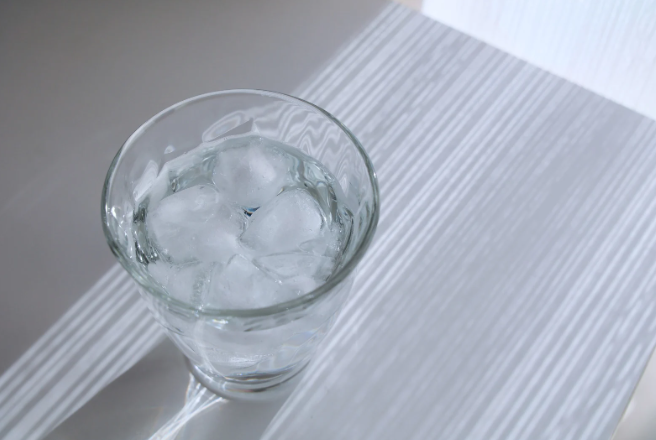
If you feel drained during your workout, your daily hydration may matter more than you think
Many people who train at home or in simple settings like a condo tend to interpret the feeling of fatigue during workouts in a very direct way: if I feel drained, it means I’m not training enough. This interpretation is immediate, almost automatic, but often incomplete. In reality, the perception of energy during physical activity is the result of a range of daily factors that go far beyond a single session.
Among these, one of the most underestimated is daily hydration. It’s not a clinical or complex concept, but something extremely practical: how much you drink, when you do it, and how consistent you are. Ignoring this aspect can make you feel less reactive, more fatigued, and less present during your workout, even if your training program is well structured.
- Why you may feel drained even if you train
- The role of hydration in your daily energy
- Common signs of poor hydration
- Daily mistakes that leave you drained
- How to improve without overcomplicating things
- Rethinking how you read your energy levels
Why you may feel drained even if you train
The most immediate explanation when you feel fatigued is to think you’re not doing enough. This belief is widespread, especially among those who train alone without consistent comparison or feedback. The problem is that this interpretation ignores everything that happens outside the workout, reducing a complex situation to a single variable.
In many cases, however, the feeling of fatigue is not linked to how much you train, but to the quality of the conditions you bring into your session. Recovery, nutrition, and hydration all play a key role, and neglecting them can affect your perceived energy far more than you might expect.
The role of hydration in your daily energy
Drinking too little during the day is one of the most common mistakes, especially when working from home or living in low-activity environments. Without clear cues or structured moments to drink, it’s easy to postpone, leading to insufficient hydration that shows up exactly when you train.
The energy you feel during your workout doesn’t start in that specific hour, but is the result of how you managed your entire day. Consistent hydration helps maintain smoother movement, better focus, and lower perceived fatigue, without requiring complex interventions or drastic changes.
Common signs of poor hydration
During training, poor hydration can show up in subtle but recognizable ways. You feel less reactive, struggle to maintain pace, and have the impression that every exercise requires more effort than expected. It’s not a sudden crash, but a gradual drop in quality.
These signals also appear throughout the day, but are often overlooked. General fatigue, difficulty concentrating, and a sense of heaviness are common indicators that tend to be attributed to other causes. Recognizing them as part of a broader pattern is the first step toward effective action.
Daily mistakes that leave you drained
One of the most frequent mistakes is drinking only when you feel thirsty. This approach is reactive rather than preventive, meaning you act when your body has already started signaling a deficit. In the context of training, this translates into starting at a disadvantage.
Another critical factor is the lack of routine. Without a basic structure, hydration becomes random and inconsistent. Introducing simple elements, such as a water bottle always within sight or specific moments dedicated to drinking, can make a tangible difference without requiring extra effort.
How to improve without overcomplicating things
Improving hydration doesn’t mean overhauling your entire day. On the contrary, the best results come from small, sustainable adjustments. Drinking a glass of water upon waking, keeping a bottle nearby while working, or linking hydration to specific moments are simple yet effective strategies.
Tools like a shaker or a neutral water bottle can support your routine in a practical way, making the habit more automatic and less dependent on memory or motivation. The goal isn’t perfection, but consistency over time.
Rethinking how you read your energy levels
Moving from a single-cause explanation to a broader perspective is a meaningful shift. It’s no longer about asking whether you train enough, but about observing all those daily factors that influence performance in less obvious yet equally important ways.
This new perspective brings greater clarity and sense of control. Understanding that small elements like hydration can affect your energy allows you to act more precisely, reducing frustration and improving the overall quality of your training experience.
Comments (0)