
Trolley
You have no items in your shopping cart

 Budgets
 Dumbers
 Discs
Discs
 Benches
 Racks and Rigs
 Weights Holders
 Isotonic machines
 Calisthenics
 Cardio
 Kettlebells
 Flooring
 Gym Set
 Accessories
 Combat
 ARTI MARZIALI
 CONTAINER GYM
 Tug-Of-War
 Used Gym Equipment
 PILATES MACCHINARI
 GINNASTICA ARTISTICA
 CAMPI DA PADEL
 Prodotti in Pronta Consegna
 Informazioni
 IRONMAN
 Gift Card
- Donatif
- Training and exercises
- 0 I like it
- 3281 Views
- 0 comments
READING TIME: 9 MINUTES ➤➤
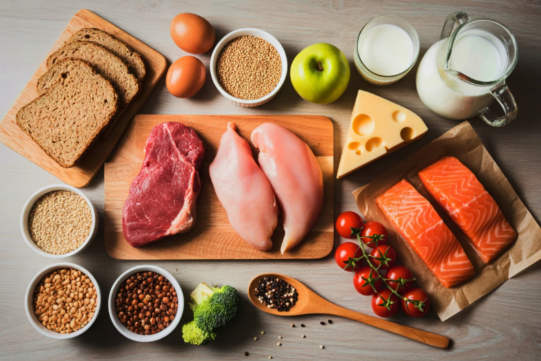
Learning how to balance macronutrients is the foundation for building a healthy, enjoyable, and sustainable diet over time. For beginners, the world of nutrition can seem complex, but only a few key concepts are needed to create complete and satisfying meals. In this guide, you will discover how carbohydrates, proteins, and healthy fats work together to nourish your body, and how to create balanced meals with simplicity and awareness.
- Why balancing macronutrients matters
- What macronutrients are and what their functions are
- How to create a balanced meal without complications
- Practical tips to start balancing your meals
Why Balancing Macronutrients Matters
Our body needs energy and nutrients to function properly every day. Macronutrients — carbohydrates, proteins, and fats — are the essential elements that provide this energy. An unbalanced diet can lead to energy crashes, digestive issues, weight fluctuations, and other metabolic imbalances. For this reason, it is essential to learn how to distribute macronutrients on your plate according to your needs and lifestyle.
Balancing macronutrients means giving the body what it needs at every moment of the day, avoiding both excesses and deficiencies. It is not about following a strict diet, but about developing a sense of proportion and variety. A proper balance between complex carbohydrates, quality proteins, and healthy fats helps improve energy levels, digestion, and overall body composition.
What Macronutrients Are and What Their Functions Are
Carbohydrates
Carbohydrates are the body’s main source of energy. They are converted into glucose, which fuels muscles, the brain, and all vital functions. However, not all carbohydrates are the same: it is important to prioritize complex carbohydrates such as whole grains, legumes, and starchy vegetables, which release energy gradually and help maintain stable blood sugar levels.
Simple and refined sugars, on the other hand, should be limited because they cause blood sugar spikes followed by energy crashes. Carbohydrates should not be demonized: when chosen wisely, they become valuable allies for nutritional balance, especially when combined with fiber and other nutrients.
Proteins
Proteins are the building blocks of the human body. They contribute to tissue growth and repair, hormone and enzyme production, and the proper functioning of the immune system. Proteins can come from both animal and plant sources, and in either case, quality is essential. Eggs, legumes, fish, lean meat, and tofu are just some of the ideal sources to include in a daily diet.
Adequate protein intake also helps maintain satiety for longer periods, supporting healthy weight management. People following plant-based diets can still meet their protein needs by focusing on variety and combining foods such as grains and legumes within the same meal.
Healthy Fats
Often underestimated, healthy fats are essential for cellular health, the absorption of fat-soluble vitamins (A, D, E, and K), and hormone production. The key is choosing unsaturated fats such as those found in extra virgin olive oil, nuts, seeds, and avocados. These foods support heart health and help reduce inflammation.
Trans fats and hydrogenated fats, commonly found in industrially processed foods and fried products, should instead be avoided. Healthy fats do not cause weight gain when consumed in balance; on the contrary, they make meals more satisfying and nutritionally complete.
How to Create a Balanced Meal Without Complications
You do not need to be a nutritionist to build a balanced meal. A simple and visual approach is to divide your plate into three parts: half dedicated to vegetables (raw or cooked), one quarter to complex carbohydrates (such as brown rice, quinoa, or potatoes), and one quarter to proteins (either animal or plant-based). Then add a source of healthy fats, such as a drizzle of olive oil or a handful of seeds.
This method, often called the “balanced plate,” simplifies daily food choices without requiring calorie counting or food weighing. It is an intuitive, flexible system suitable for every dietary style, including vegetarian and vegan diets.
Practical Tips to Start Balancing Your Meals
To begin, avoid drastic changes: start with small adjustments to your usual meals. If you are eating pasta or rice, add legumes or another protein source; if you are preparing a salad, complete it with whole grain bread and a handful of seeds. The goal is not perfection, but long-term balance and variety.
Plan your grocery shopping with balance in mind: include sources of all three macronutrients, prioritizing fresh, whole, and minimally processed foods. Experiment with new recipes and listen to your body: balanced eating is not a rigid rule, but a practical tool for living with more energy, health, and awareness.
Comments (0)