
Trolley
You have no items in your shopping cart

 Budgets
 Dumbers
 Discs
Discs
 Benches
 Racks and Rigs
 Weights Holders
 Isotonic machines
 Calisthenics
 Cardio
 Kettlebells
 Flooring
 Gym Set
 Accessories
 Combat
 ARTI MARZIALI
 CONTAINER GYM
 Tug-Of-War
 Used Gym Equipment
 PILATES MACCHINARI
 GINNASTICA ARTISTICA
 CAMPI DA PADEL
 Prodotti in Pronta Consegna
 Informazioni
 IRONMAN
 Gift Card
- Donatif
- Training and exercises
- 0 I like it
- 2152 Views
- 0 comments
READING TIME: 7 MINUTES ➤➤
Back pain has become one of the most common issues among people over 40, especially those who lead a sedentary lifestyle or spend many hours in front of a computer. The good news? You don’t need hours at the gym or drastic interventions to improve the health of your spine. Small daily habits are often enough. These so-called “micro-actions” can make a significant difference, working quietly yet effectively over the long term.
In this article, you’ll discover some of the simplest and most practical strategies for preventing back pain, improving posture, and incorporating small habits into your routine that can dramatically enhance your physical well-being. The approach is informative yet highly practical, designed for people seeking consistency and lasting results.
Why Postural Prevention Is Essential in a Sedentary Lifestyle
The Risks of Sedentary Living on the Spine
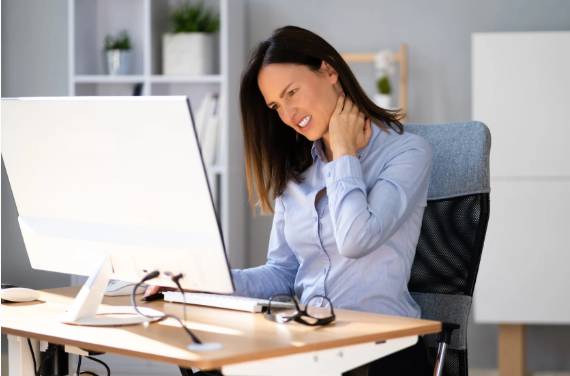
Spending many hours seated can have a significant impact on musculoskeletal health. The spine is designed for movement and for supporting body weight dynamically. When it is forced into static, often poor positions for long periods, abnormal pressure develops on the intervertebral discs and chronic muscle tension begins to accumulate. This contributes to lower back pain, neck pain, and a general weakening of postural support structures.
Prevention is not just a matter of ergonomics. It involves a set of targeted preventive actions that should be practiced every day. Understanding this mechanism is the first step toward preventing minor discomforts from turning into chronic conditions that become more difficult to manage with age.
Posture and Back Pain: A Connection Not to Be Underestimated
Poor posture directly affects how loads are distributed throughout the spine. Rounded shoulders, a curved back, and a forward head position are extremely common postures that, when maintained over time, create harmful compression and compensation patterns. It is important to remember that there is no single “perfect position” suitable for everyone. Instead, what matters is developing dynamic postural awareness that allows the body to change positions naturally throughout the day.
A preventive approach should therefore begin with greater attention to posture, combined with targeted micro-actions that interrupt prolonged inactivity and reactivate the body naturally. This ongoing awareness is what makes a real difference over the long term.
Back Health Starts with Small Habits
What Are Preventive Micro-Actions?
Micro-actions are small gestures, often lasting only a few seconds or minutes, that can produce meaningful results when integrated into daily life. They are not about exercising intensely or following a rehabilitation program. Instead, they involve adopting simple behaviors that protect the spine and promote healthy posture.
Examples include standing up regularly, performing gentle stretches, practicing mindful breathing, or adjusting your sitting position at your desk. These activities are sustainable, easy to adapt to different lifestyles, and suitable even for those who are not used to exercising regularly.
Why They Work: The Principle of Daily Consistency
The true power of micro-actions lies in their consistency. Even the simplest action, when repeated every day, creates a cumulative effect on muscles and joints. The body gradually adapts to these new habits, developing greater strength, flexibility, and proprioception.
This strategy is particularly effective for people over 40, an age group in which prevention becomes essential for maintaining quality of life. It is never too late to start taking care of your back—you simply need to begin with small steps.
The 4 Daily Micro-Actions to Add to Your Routine
1. Adjust Your Sitting Posture: Ergonomics and Awareness
The first preventive action is to optimize your workstation to support healthy posture. Keep your back supported, your monitor at eye level, and your feet flat on the floor. These are simple guidelines, yet they are often overlooked. Beyond physical ergonomics, it is also important to develop body awareness so that you can recognize signs of discomfort before they become painful.
Good posture is not rigid—it is adaptable and capable of accommodating the body’s natural movements. Alternating between sitting, standing, and short walks is an excellent way to avoid stiffness.
2. Active Breaks: Stand Up Every 30 Minutes
Another highly effective strategy is taking active breaks. Standing up every 30 to 40 minutes, even just to take a few steps or change position, reduces pressure on the intervertebral discs and stimulates circulation. Complex exercises are not necessary—the goal is simply to interrupt prolonged inactivity, which contributes to lower back pain.
To make this habit sustainable, you can set timers or connect breaks to existing routines, such as answering phone calls or drinking a glass of water. The secret is creating an automatic behavior that becomes effortless over time.
3. Gentle Stretching for the Lower Back and Neck
Dedicate 2–3 minutes each day to gentle stretching for your lower back and neck. There is no need for complicated movements. Slowly rotating your neck, performing gentle back extensions, or bringing your knees toward your chest while lying down can be enough. These exercises help decompress the spine and maintain muscular flexibility.
The benefits are immediate: tension release, improved mobility, and a greater feeling of lightness. Practicing these stretches every morning or before bed is an excellent preventive strategy and a valuable act of self-care.
4. Deep, Mindful Breathing to Relax the Spine
Finally, the role of breathing in postural health should not be underestimated. Shallow breathing stiffens the diaphragm and contributes to postural compensation patterns. In contrast, deep, mindful breathing relaxes the muscles surrounding the spine and improves tissue oxygenation.
Just a few minutes of diaphragmatic breathing each day can provide noticeable benefits: reduced tension, increased energy, and a more natural posture. It is a simple yet powerful practice that is often overlooked in back-pain prevention.
How to Create a Sustainable Back-Care Routine
Strategies for Remembering Micro-Actions Throughout the Day
The greatest challenge is often not knowing what to do, but remembering to do it consistently. For this reason, it is helpful to link each micro-action to an existing habit. For example, stretch before your coffee break or check your posture every time you start a phone call. Visual reminders such as sticky notes, apps, or smartwatches can also help maintain awareness.
A sustainable preventive routine is built on repetition and simplicity. The quicker and easier an action is to perform, the more likely it is to become a lasting habit.
Tips for People Who Work at a Computer or Spend Long Hours Driving
People who spend many hours at a desk or behind the wheel can adopt specific strategies, such as using a lumbar support cushion, alternating between sitting and standing, and scheduling short breaks throughout the day. Frequently changing your visual focus instead of staring at a screen continuously can also help relax the neck muscles.
When driving, maintaining proper posture with relaxed shoulders and a well-supported back is essential. Adjusting your seat and mirrors correctly can naturally encourage a healthier position without requiring conscious effort.
Expected Results and Long-Term Benefits
Physical Improvements and a Greater Sense of Well-Being
People who regularly practice daily micro-actions often notice significant improvements in muscle tone, mobility, and overall well-being. Back pain tends to become less frequent and less intense, while body awareness increases.
These effects are not immediate, but they are lasting. Unlike temporary solutions, micro-actions address the underlying causes of postural discomfort and help create long-term balance within the body.
Prevention as a Form of Self-Care: A Change in Mindset
Adopting daily micro-actions means embracing a view of health based on prevention and personal responsibility. It is no longer about reacting to pain after it appears, but about anticipating and preventing it through simple, consistent actions. This shift in perspective is essential for aging well and maintaining independence and vitality.
Start today: choose one micro-action, practice it every day, and observe how your back—and your energy levels—gradually begin to change.
Comments (0)