
Trolley
You have no items in your shopping cart

 Budgets
 Dumbers
 Discs
Discs
 Benches
 Racks and Rigs
 Weights Holders
 Isotonic machines
 Calisthenics
 Cardio
 Kettlebells
 Flooring
 Gym Set
 Accessories
 Combat
 ARTI MARZIALI
 CONTAINER GYM
 Tug-Of-War
 Used Gym Equipment
 PILATES MACCHINARI
 GINNASTICA ARTISTICA
 CAMPI DA PADEL
 Prodotti in Pronta Consegna
 Informazioni
 IRONMAN
 Gift Card
- Donatif
- Fitness recipes
- 0 I like it
- 5816 Views
- 0 comments
READING TIME: 8 MINUTES ➤➤
Many modern eating habits revolve around packaged, ready-to-use foods that are convenient but often loaded with unhealthy ingredients. However, making small changes to your daily nutrition can have a significant impact on your overall well-being. In this article, we will explore how to identify and replace processed foods with healthy alternatives, focusing on simple and realistic food swaps suitable for families and beginners.
Learning to make better choices without giving up flavor or convenience is absolutely possible. We will discover how to build a balanced diet starting from natural foods, what strategies to use for reading labels more effectively, and how to organize a healthy and sustainable weekly menu. The goal is to make dietary changes accessible and long-lasting for anyone who wants to improve their nutrition.
- Why reducing processed food consumption matters
- Practical food swaps: what to change in your diet
- How to choose natural and balanced foods
- Building a healthy and sustainable family menu
- The long-term benefits of these choices
Why reducing processed food consumption matters
Long-term effects on health
Processed foods often contain high amounts of added sugars, saturated fats, sodium, and preservatives which, when consumed regularly, can contribute to health problems such as obesity, type 2 diabetes, hypertension, and cardiovascular disease. Although they may seem harmless in small quantities, habitual consumption creates a constant metabolic burden that the body struggles to manage over time.
These foods are specifically designed to be hyper-palatable, meaning extremely appealing, often encouraging overeating. By limiting them and choosing more natural alternatives, it is possible to reduce the risk of chronic diseases, improve metabolism, and develop a healthier relationship with food.
Hidden additives, sugars, and processed fats
Many packaged products contain hidden ingredients that are not always immediately recognizable, such as refined vegetable oils, glucose-fructose syrups, and artificial flavorings. Even foods that appear harmless, such as fruit yogurt or breakfast cereals, may contain large amounts of added sugars and questionable additives.
Another common risk comes from trans fats, which are found in many industrial baked goods and packaged snacks. Besides being harmful to heart health, these fats alter the body’s lipid balance. Learning to read labels and identify these substances is the first step toward a more conscious and healthier diet.
Practical food swaps: what to change in your diet
Breakfast: starting the day the right way
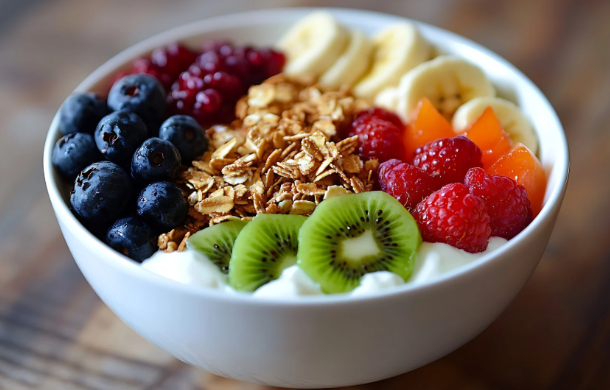
Breakfast is often the meal where many processed foods are concentrated, such as packaged cookies, pastries, and sugary cereals. A simple and healthy alternative can be a bowl of oats with fresh fruit and an unsweetened plant-based drink. Whole grain bread with natural peanut butter and a banana is also a nutritious and filling option.
Replacing packaged foods with simple and natural ingredients allows better portion control and reduces the intake of refined sugars and unhealthy fats. In addition, starting the day with a balanced breakfast improves concentration and energy levels, especially for school-age children.
Snacks and treats: natural alternatives
Processed snacks are often responsible for excessive “empty calorie” intake in the diet. Chips, sweet or salty snack bars, and sugary drinks should be replaced with simpler and healthier options such as nuts, plain yogurt, fresh fruit, or raw vegetables. Whole grain rice cakes with hummus or avocado are also excellent compromises between taste and health.
These food swaps are easy to implement and fit well into the fast-paced routines of modern families. A little planning is enough to avoid the temptation of packaged products while maintaining the convenience and speed often sought in snacks.
Ready-made and frozen meals: easy replacements
Many people rely on ready-made meals because of limited time or lack of cooking ideas. However, with minimal effort, it is possible to prepare healthier and tastier alternatives in advance. Weekly batch cooking allows you to always have homemade meals available in the freezer, such as soups, vegetable stews, grilled vegetables, or pre-cooked legumes.
A useful strategy is replacing pre-seasoned frozen meals with plain versions to which fresh ingredients can be added. For example, frozen mixed vegetables can be combined with brown rice or quinoa and a drizzle of extra virgin olive oil. This helps avoid the excessive salt and fat content typical of industrial ready-to-heat meals.
How to choose natural and balanced foods
The importance of reading labels
Reading labels is an essential tool for identifying hidden ingredients and making more conscious choices. The rules are simple: the fewer ingredients, the better. It is also wise to be cautious of complicated names or codes (E330, E471, etc.), which often indicate artificial additives or preservatives.
A good guideline is choosing products where all ingredients are recognizable and where sugars or fats do not appear among the first three listed ingredients. The order of ingredients matters because those listed first are present in the highest quantities.
Foods to prioritize every day
A balanced diet is built around simple, fresh, and minimally processed foods. Foods to prioritize daily include seasonal fruits and vegetables, legumes, whole grains, eggs, fish, and lean meats. Dairy products, when chosen in their most natural form (such as plain whole yogurt), can also be valuable sources of nutrients.
On the other hand, “light” or “zero” products should be avoided because they often contain artificial sweeteners and chemicals designed to imitate the flavor of the original products. It is better to choose whole and natural versions, learning to naturally regulate sugar and fat intake according to real nutritional needs.
Building a healthy and sustainable family menu
Weekly planning and batch cooking
One of the most effective tools for replacing processed foods is weekly meal planning. Creating a menu helps guide grocery shopping, reducing unnecessary and impulsive purchases. It also makes it easier to manage time and diversify meals without falling into monotony or relying on ready-made dishes.
Batch cooking involves preparing larger quantities of food in advance to store in the refrigerator or freezer. It is a practical strategy, especially useful for people with little time during the week. Preparing legumes, vegetables, and grains ahead of time makes it possible to assemble healthy meals in just a few minutes, reducing stress and improving dietary quality.
Consistency, not perfection: being realistic with your diet
Healthy eating should not mean rigidity. It is important to adopt a realistic and sustainable approach, especially for families with children. The goal is not to completely eliminate processed foods, but to significantly reduce them in favor of more nutritious alternatives.
Being consistent with healthy choices most of the time is far more effective than unrealistic perfectionism that leads to frustration or giving up. Allowing flexibility, perhaps with one free meal per week, helps maintain long-term changes and makes the process more enjoyable for all family members.
The long-term benefits of these choices
More energy, fewer medical expenses
Adopting a diet based on natural foods and healthy alternatives to industrial products brings visible benefits in a short time: more energy, better sleep quality, improved digestion, and reduced inflammation. However, the greatest advantages appear in the long term, with a significant reduction in the risk of chronic diseases and an overall improvement in quality of life.
In addition, reducing packaged food consumption can lower costs associated with medical expenses, supplements, or medications related to poor dietary habits. Investing in health through food is a wise and accessible choice for everyone, especially when approached gradually and consciously.
A positive example for children
Making healthier food choices has not only an individual impact, but also sends a powerful educational message, especially to children. Seeing parents committed to a balanced diet and making smart food swaps helps younger generations develop a positive relationship with food from an early age.
Growing up in an environment that values homemade meals and fresh ingredients contributes to building lasting habits. Over time, these daily actions become a healthy and conscious lifestyle that guides future generations toward a more sustainable and healthier future.
Comments (0)