
Trolley
You have no items in your shopping cart

 Budgets
 Dumbers
 Discs
Discs
 Benches
 Racks and Rigs
 Weights Holders
 Isotonic machines
 Calisthenics
 Cardio
 Kettlebells
 Flooring
 Gym Set
 Accessories
 Combat
 ARTI MARZIALI
 CONTAINER GYM
 Tug-Of-War
 Used Gym Equipment
 PILATES MACCHINARI
 GINNASTICA ARTISTICA
 CAMPI DA PADEL
 Prodotti in Pronta Consegna
 Informazioni
 IRONMAN
 Gift Card
- Donatif
- Training and exercises
- 0 I like it
- 11145 Views
- 0 comments
READING TIME: 3 MINUTES ➤➤
Pilates: benefits, techniques and tips to get started
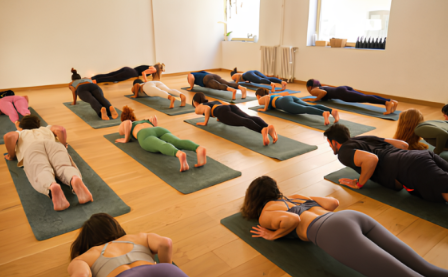
Pilates is a discipline that combines mindful movement, breath control and muscle strengthening. More and more men and women between the ages of 30 and 60 are approaching this practice to improve their physical fitness, regain flexibility and combat everyday stress and tension. In this article you will discover everything you need to start practicing it with awareness: from the benefits of Pilates, to the most effective techniques, as well as practical advice for finding the course that suits you best.
- What Pilates is and why it is so popular
- The benefits of Pilates for body and mind
- Fundamental Pilates techniques and exercises
- How to start practicing Pilates
- Choosing the right course: online, at the gym or with an instructor
- Frequently asked questions and myths about Pilates
What Pilates is and why it is so popular
Origins and fundamental principles
The Pilates method was created at the beginning of the twentieth century by Joseph Pilates, with the aim of improving strength, flexibility and coordination through a gentle yet deep approach. At the core of the discipline are control, concentration, breathing and fluid movement, combined with body awareness. These principles make Pilates a versatile practice suitable for all ages.
Why more and more people choose it
In recent years Pilates has attracted a wide audience, from athletes to sedentary people and even those recovering from injuries. Its effectiveness in improving posture, relieving muscle pain and reducing stress makes it ideal for a modern and mindful lifestyle. It is also recommended by physiotherapists and personal trainers for its ability to strengthen the core safely.
The benefits of Pilates for body and mind
Improved posture and muscle strengthening
One of the main benefits of Pilates is improved posture. Through targeted movements, the deep muscles of the abdomen and back are strengthened, contributing to better body alignment. This not only reduces neck and lower back pain, but also improves balance and overall mobility. In the long term, practicing Pilates regularly can lead to greater awareness of your body, even during everyday movements.
Effects on mental wellbeing and stress management
Pilates is not only physical exercise. The connection between breathing and movement promotes a state of calm and concentration that has positive effects on mental health. During practice, focusing on the present moment becomes a form of active meditation, reducing anxiety and stress. It is a perfect discipline for those seeking a rejuvenating break from the pressures of daily life.
Fundamental Pilates techniques and exercises
Basic exercises for beginners
Those approaching Pilates for the first time can start with simple movements such as the “Pelvic Curl”, the “Hundred” or the “Leg Circle”. These exercises stimulate balance, motor control and core strength without putting stress on the joints. Beginner classes are designed to gradually introduce the fundamental principles, with particular attention to breathing and movement precision.
Advanced techniques and more challenging variations
Over time it is possible to move on to more complex techniques, such as using the Reformer or other machines typical of classical Pilates. These tools add resistance and variety to the exercises, intensifying muscular work. Advanced variations are suitable for those who want to deepen their practice, improve athletic performance or integrate Pilates into their fitness training.
How to start practicing Pilates
Tips for beginners
If you are wondering how to start Pilates, the best advice is to begin with a beginner course guided by a qualified instructor. Even a few lessons can help you understand the correct execution of movements and become familiar with breathing techniques. A gradual approach is essential to avoid mistakes and obtain benefits right from the start.
What you need: equipment, clothing, environment
To begin you only need a non-slip mat and comfortable clothing that allows freedom of movement. It is important to practice in a quiet environment with enough space to move without obstacles. You can also start at home by following certified videos or reliable apps, although direct guidance from a professional is always ideal.
Choosing the right course: online, at the gym or with an instructor
Advantages and limits of each option
Gym classes offer the advantage of direct contact with the instructor, which is ideal for correcting posture and personalizing the training path. Online courses are more flexible and often cheaper, but they require greater self-discipline. Individual sessions with an instructor are perfect for those with specific needs or those seeking a personalized path, for example for posture recovery or after an injury.
How to recognize a qualified instructor
A good Pilates instructor should have certified training, knowledge of anatomy and the ability to adapt exercises to the student’s needs. Before enrolling in a course, find out about the trainer’s professional background and make sure they work in safe and well-equipped environments. An experienced professional will know how to motivate you, correct you and guide you effectively and respectfully.
Frequently asked questions and myths about Pilates
Who can practice it? Age, physical condition, limits
Pilates is an inclusive discipline: it adapts to every age and level of preparation. Even people with back problems, joint pain or reduced mobility can benefit from it, always under expert supervision. It is also suitable during pregnancy, in the postpartum period or as support for physiotherapy, with appropriate adaptations.
Is it true that Pilates helps you lose weight?
Pilates is not a cardio discipline, but it can contribute to weight loss as part of a broader lifestyle program. By improving posture, increasing muscle tone and reducing stress, Pilates promotes an overall transformation of the body and mind, often accompanied by a healthier relationship with nutrition and lifestyle.
➤ Read also: 5 perfect recipes for those who go to the gym
Comments (0)