
Trolley
You have no items in your shopping cart

 Budgets
 Dumbers
 Discs
Discs
 Benches
 Racks and Rigs
 Weights Holders
 Isotonic machines
 Calisthenics
 Cardio
 Kettlebells
 Flooring
 Gym Set
 Accessories
 Combat
 ARTI MARZIALI
 CONTAINER GYM
 Tug-Of-War
 Used Gym Equipment
 PILATES MACCHINARI
 GINNASTICA ARTISTICA
 CAMPI DA PADEL
 Prodotti in Pronta Consegna
 Informazioni
 IRONMAN
 Gift Card
- Donatif
- General information
- 0 I like it
- 2528 Views
- 0 comments
- gym flooring, safety flooring, gym safety, shock-absorbing materials
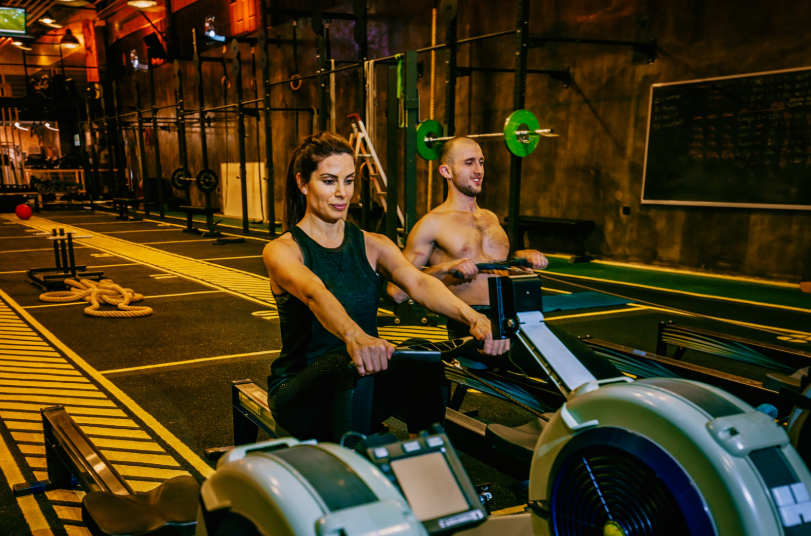
30-Minute Sessions: 5 Different Workouts with the Rowing Machine
Training with a rowing machine for half an hour can become a practical solution to improve endurance, coordination, and overall fitness without spending hours at the gym. The real challenge, however, is not only finding the time: often the issue is maintaining consistency and motivation when workouts become too repetitive. Alternating training styles and intensities can transform each session into something more engaging and sustainable over time.
The workouts below are designed for users with different fitness levels, from beginners using a rowing machine for the first time to those looking to include more dynamic training sessions in their routine. Each workout lasts around 30 minutes and is structured around a specific goal, avoiding overly complicated or difficult programs.
- Why 30 minutes can be enough
- How to choose the right workout
- Steady pace session
- Interval training session
- Pyramid session
- Endurance session
- Mixed circuit session
- How to organize your week
Why training 30 minutes with a rowing machine can be enough
A 30-minute rowing workout can engage most of the body’s muscles while maintaining consistent cardiovascular activity. This means that even a relatively short workout window can become highly effective when managed with the right pace and a clear structure.
A shorter duration also helps improve consistency. Many people abandon programs that are too long or demanding, while a half-hour workout is easier to fit into a busy day. Knowing you have a structured and varied session reduces mental fatigue and makes it easier to maintain the habit over time.
How to choose the right session based on your goal
Not every workout should have the same intensity. Some days require a more controlled rhythm to recover energy and improve technique, while others can be dedicated to more dynamic and demanding work. Alternating between these approaches helps avoid overload and monotony.
If your goal is to improve endurance and breathing capacity, steady moderate sessions provide an excellent foundation. If you are looking for more intensity or want to increase calorie burn, interval workouts allow you to alternate sprints and recovery periods while keeping concentration high.
Session 1: Steady pace rowing workout to build consistency
This session is ideal for anyone who wants to create a sustainable routine. After a five-minute warm-up, maintain a steady pace for about twenty minutes, trying not to start too fast. The final five minutes can be used to gradually slow down and recover.
The advantage of this workout is its simplicity. It does not require sudden changes in intensity and allows you to focus on rowing technique. It is especially useful for people training at home who want an effective session without excessive stress.
Adaptations for beginners and advanced users
Beginners can maintain a moderate pace and include short breaks every five minutes. More experienced users can increase the resistance level or row at a higher cadence while still maintaining smooth and controlled movement.
This type of workout also works well after more intense training days because it keeps the body active without placing excessive stress on muscles and joints.
Session 2: Interval training for cardio and speed
Interval training is perfect for anyone looking for a more energetic session. After the warm-up, alternate one minute of high intensity with one minute of active recovery for around twenty minutes. During the fast intervals, try to increase both power and pace while maintaining proper technique.
This structure makes the 30-minute rowing workout more dynamic and helps maintain concentration. The variation between sprints and recovery reduces boredom and provides a stronger cardiovascular stimulus.
How to control intensity and technique
During sprint intervals, it is important to avoid rushed or uncontrolled movements. The drive should start with the legs, followed by the core and finally the arms. Clean technique makes the workout more effective and efficient.
If the pace feels too demanding, you can reduce the sprint duration to thirty seconds while increasing recovery time. This keeps the workout accessible even for less experienced users.
Session 3: Pyramid workout to avoid monotony
The pyramid workout alternates progressively increasing and decreasing intensity. You can start with one moderate minute, then move to two intense minutes, three faster minutes, and then gradually work your way back down. This structure creates a constant sense of variety.
One reason many people enjoy this method is its mental aspect. Knowing the pace changes frequently helps reduce the perception of fatigue and makes the workout feel more engaging than a uniform session.
Why it works for motivation
The pyramid progression creates a feeling of continuous advancement. Each block becomes a small objective to complete, making the workout feel more dynamic and rewarding.
It is also an excellent way to experiment with different intensity levels without planning overly complicated workouts. For this reason, it is often chosen by people who want to maintain motivation throughout the week.
Session 4: Endurance workout at a controlled pace
This session focuses on continuity and breathing control. After a light warm-up phase, maintain a stable pace for most of the workout while avoiding unnecessary accelerations. The goal is not speed but movement quality.
An endurance workout can be extremely useful during stressful periods or when you want a less aggressive but still productive training session. The final feeling is often one of complete work without excessive exhaustion.
When to include this workout during the week
You can use this session in the middle of the week or after more intense workouts. It is especially suitable for people who practice other sports and want additional cardiovascular work without putting too much strain on the joints.
Many users also enjoy pairing this type of workout with playlists or podcasts, turning the session into a more relaxing and sustainable routine.
Session 5: Mixed rowing and bodyweight circuit
For those looking for even more variety, this mixed circuit combines rowing with functional exercises. Alternate five minutes on the rowing machine with exercises such as squats, planks, or push-ups, repeating the cycle several times until you complete the full thirty minutes.
This approach increases muscular involvement and makes the workout feel more dynamic. It is an excellent option for people who tend to get bored with rowing alone.
Simplified and advanced versions
Beginners can choose simple bodyweight exercises and reduce the number of repetitions. More advanced users can increase both intensity and training volume by including more demanding movements.
The combination of cardio and functional work creates a complete session even when time is limited.
How to create a varied week without overloading yourself
A good strategy is alternating intense workouts with more controlled sessions. For example, you can include two interval workouts, two lighter sessions, and one mixed workout during the weekend. This structure helps maintain consistency without excessive fatigue.
Variety is not only useful for avoiding boredom: it also stimulates the body in different ways and makes the fitness journey more sustainable in the long term. Changing workout structure and intensity keeps curiosity high and makes it easier to turn rowing into a lasting habit.
Keeping motivation high with different sessions
One of the most important aspects of using a rowing machine regularly is avoiding the feeling of constant repetition. Having multiple ready-to-use workout plans throughout the week helps users stay more engaged and reduces the risk of giving up after only a few weeks.
Experimenting with different training styles also helps people understand which workouts best match their personal goals and preferences. Over time, this flexibility becomes a real advantage because it makes training feel more personal, motivating, and easier to maintain even during busy periods.
Comments (0)