
Trolley
You have no items in your shopping cart

 Budgets
 Dumbers
 Discs
Discs
 Benches
 Racks and Rigs
 Weights Holders
 Isotonic machines
 Calisthenics
 Cardio
 Kettlebells
 Flooring
 Gym Set
 Accessories
 Combat
 ARTI MARZIALI
 CONTAINER GYM
 Tug-Of-War
 Used Gym Equipment
 PILATES MACCHINARI
 GINNASTICA ARTISTICA
 CAMPI DA PADEL
 Prodotti in Pronta Consegna
 Informazioni
 IRONMAN
 Gift Card
- Donatif
- General information
- 0 I like it
- 1429 Views
- 0 comments
- gym flooring, safety flooring, gym safety, shock-absorbing materials
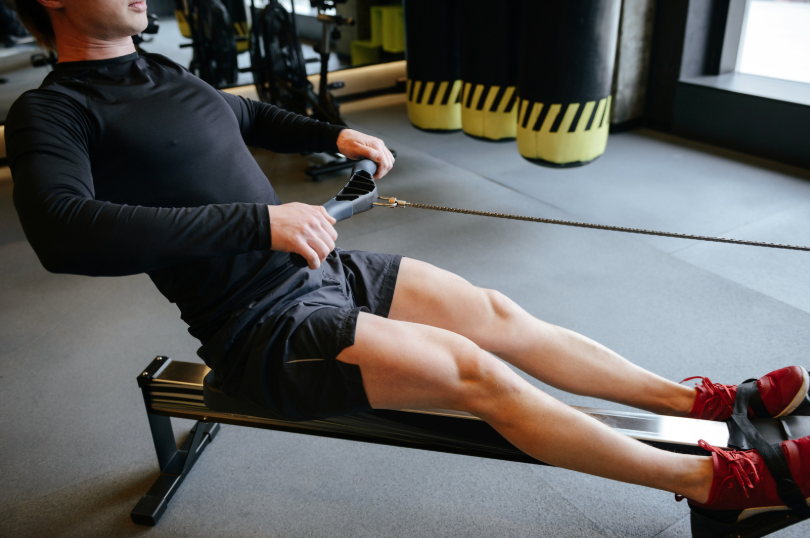
Common Rowing Machine Mistakes and How to Avoid Them
The rowing machine is often chosen for full-body, low-impact home workouts. Despite this, many people start using it without understanding the correct movement sequence or the machine’s essential adjustments. This leads to seemingly minor mistakes that, over time, can reduce workout effectiveness or cause discomfort in the back, knees, and shoulders.
A proper rowing machine posture helps distribute effort evenly, improves stroke quality, and delivers more noticeable results. Understanding the most common mistakes makes it easier to avoid inefficient movements and build solid technique even without advanced experience.
The most common posture mistakes on a rowing machine
Rounding the back during the drive phase
One of the most common mistakes is rounding the lower back at the beginning of the rowing stroke. This movement shifts tension onto the spine instead of allowing the legs to generate power. People training at home often try to increase speed and intensity before mastering the technique, compensating with excessive trunk movement. Over time, this habit makes the stroke less efficient and can increase lower back fatigue.
The correct position requires a neutral spine, open chest, and relaxed shoulders. During the initial push, the legs should generate most of the force. Keeping the torso stable allows for a proper rowing stroke and reduces the risk of overload. A quick posture check using a mirror or a tutorial video can help correct the movement effectively.
Pulling too early with the arms
Many beginners start the rowing stroke by immediately pulling with their arms. As a result, the movement loses fluidity and the posterior muscle chain works inefficiently. The rowing machine should not be viewed as an upper-body-only exercise because the initial drive mainly depends on the legs and hips.
The most effective sequence follows a precise order: leg drive, torso swing, and finally arm pull. Reversing this progression lowers workout quality and limits overall muscle engagement. A more controlled technique improves endurance, coordination, and calorie expenditure without unnecessarily increasing joint stress.
Incorrect rowing machine settings
Using resistance that is too high
A common mistake is setting the rowing machine resistance too high under the assumption that it will produce faster results. In reality, excessive resistance tends to slow the movement and encourages poor compensations, especially in less trained individuals. This behavior can increase muscle tension and negatively affect stroke fluidity.
For beginners, it is better to use moderate resistance and focus on movement quality. Balanced settings help maintain continuity and technical control for longer periods. Over time, intensity can gradually increase without compromising posture or coordination.
Incorrect foot and strap positioning
The adjustment of the foot supports also directly affects exercise biomechanics. If the straps are too loose or the feet are incorrectly positioned, the push becomes unstable and force transfer becomes inefficient. This detail is often underestimated during home workouts.
The strap should sit across the widest part of the foot, ensuring stability without excessive pressure. A stable setup improves the recovery phase and helps maintain a correct rowing machine posture. Even small adjustments can improve comfort and stroke precision.
Why the rowing machine may not produce visible results
Training without rhythm or consistency
Many people use the rowing machine inconsistently, alternating high-speed bursts with frequent pauses. This approach makes it difficult to track progress and limits cardiovascular benefits. The body needs continuity and controlled effort to adapt and improve over time.
An effective session does not depend solely on intensity, but also on the ability to maintain a sustainable and consistent pace. Even shorter workouts can become productive if performed with stable technique and gradual progression. Monitoring duration, distance, and workout frequency helps make progress more measurable.
Thinking the rowing machine only trains the upper body
Another common mistake is believing that the rowing machine mainly targets the arms and back. In reality, the machine engages the legs, glutes, core, and upper body in a coordinated way. However, if technique is poor, some areas work excessively while others remain underutilized.
Understanding how the movement distributes effort leads to more complete workouts. A properly executed rowing stroke improves overall endurance, coordination, and calorie burn. This becomes especially important for users training with weight loss or general fitness goals.
Mistakes that may cause pain and discomfort
Moving too fast without control
Excessive speed is often associated with the belief that faster training means better training. In practice, the opposite happens: the movement becomes disorganized, breathing loses rhythm, and the back tends to stiffen. This situation increases the risk of performing an incorrect rowing stroke and building tension in the lower back.
Slightly slowing down the pace allows better awareness of each movement phase. Improved control enhances muscle activation and reduces the feeling of premature fatigue. For many users, adjusting speed is the fastest and most effective change they can make to improve training quality.
Ignoring body signals during training
Persistent pain, joint stiffness, and back discomfort should not be considered normal workout consequences. Continuing to use the rowing machine without correcting technique or posture can worsen existing compensations. This often happens when people try to increase training volume or intensity too quickly.
Temporarily stopping the exercise and analyzing movement mechanics is often the most useful solution. In some cases, using a posture corrector, a stable training mat, or following reliable technical tutorials can help improve rowing mechanics. The goal is not simply to train harder, but to train with greater precision.
Small adjustments that immediately improve rowing technique
Focus on the movement sequence
Many technical mistakes can be reduced simply by slowing down the movement and rebuilding the correct motor sequence. The drive should begin with the legs, continue through the torso, and finish with the arms. During recovery, the movement should happen in reverse order while maintaining fluidity and control.
Training with attention to this aspect improves coordination and body awareness. Even experienced users can benefit from more technical sessions focused entirely on rowing quality. This approach makes workouts more sustainable and less frustrating.
Use reliable visual references and feedback
Watching your movement through videos or mirrors makes it easier to identify mistakes that are difficult to notice during exercise. Many users quickly improve posture simply by comparing their stroke with technically correct examples. This reduces uncertainty and improves confidence during training.
A stable and organized environment also contributes to a better workout experience. Using a non-slip mat or properly adjusting the rowing machine position can make sessions more comfortable. Small practical improvements help maintain consistency and develop more effective technique over time.
Training with more control makes the rowing machine more effective
Correcting the most common rowing machine mistakes does not necessarily require advanced experience or complicated workouts. In most cases, greater technical awareness, proper machine adjustments, and attention to posture are enough to create a smoother and less stressful rowing stroke.
Training with control helps reduce anxiety related to discomfort or lack of results. More stable technique improves comfort, consistency, and workout quality. Learning more about rowing mechanics and observing your movement over time helps build more concrete and sustainable progress.
Comments (0)