
Trolley
You have no items in your shopping cart

 Budgets
 Dumbers
 Discs
Discs
 Benches
 Racks and Rigs
 Weights Holders
 Isotonic machines
 Calisthenics
 Cardio
 Kettlebells
 Flooring
 Gym Set
 Accessories
 Combat
 ARTI MARZIALI
 CONTAINER GYM
 Tug-Of-War
 Used Gym Equipment
 PILATES MACCHINARI
 GINNASTICA ARTISTICA
 CAMPI DA PADEL
 Prodotti in Pronta Consegna
 Informazioni
 Gift Card
- Donatif
- General information
- 0 I like it
- 0 Views
- 0 comments
- gym flooring, safety flooring, gym safety, shock-absorbing materials
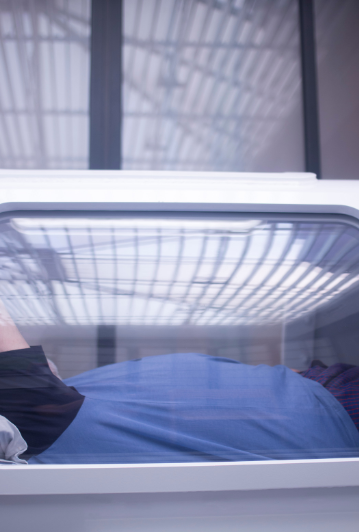
Cooling and Dehumidification Systems: Why They Are Essential in a Hyperbaric Chamber
When discussing hyperbaric oxygen therapy, attention is usually focused on pressure levels and oxygen concentration. However, another factor plays a crucial role in the overall quality of the experience: the internal microclimate of the hyperbaric chamber. Temperature, humidity, and air circulation directly affect user comfort throughout the session while helping maintain stable environmental conditions, even during extended treatments.
For anyone considering a hyperbaric chamber for professional, sports, or advanced home use, understanding how cooling and dehumidification systems work is essential. These are not simply optional features but engineered technologies designed to ensure stability, comfort, and consistent performance throughout every treatment.
- Why the Internal Microclimate Matters
- How Heat Is Generated Inside a Hyperbaric Chamber
- The Role of the Cooling System
- Why Dehumidification Is Essential
- Donatif Technology for Microclimate Management
- How to Choose a Well-Climate-Controlled Hyperbaric Chamber
Why the Internal Microclimate Is Crucial During a Hyperbaric Session
Inside a hyperbaric chamber, several physical factors influence the perception of comfort. Increased pressure, the enclosed environment, and the natural heat produced by the human body can quickly alter temperature and humidity levels. Without effective environmental control, users may experience a growing sensation of warmth that makes longer sessions less comfortable.
A properly designed hyperbaric chamber climate control system, on the other hand, maintains stable environmental conditions from the beginning to the end of the treatment. This is particularly important for athletes, physiotherapy clinics, wellness centers, and professionals who use the chamber multiple times a day and want to provide a consistently comfortable experience.
How Heat Is Generated Inside a Hyperbaric Chamber
Pressure, Temperature, and Comfort Perception
From a physical standpoint, air compression naturally causes an increase in temperature. This effect is compounded by the heat continuously emitted by the human body while inside the chamber. In addition, onboard electronics and operating systems may contribute, although to a lesser extent, to the rise in internal temperature.
The result is an environment that, without proper climate management, gradually becomes warmer over time. While this does not reduce the effectiveness of the treatment, it can significantly affect thermal comfort in hyperbaric therapy, especially during long sessions or repeated daily use.
The Greenhouse Effect in Chambers Without Dedicated Climate Control
A hyperbaric chamber lacking an efficient cooling system may create what is commonly referred to as a "greenhouse effect." Heat and humidity accumulate inside the enclosed space, producing a feeling of heaviness that can negatively influence the user's overall experience.
For this reason, manufacturers focused on technological innovation integrate dedicated microclimate management solutions. The goal is not simply to cool the chamber but to maintain stable environmental conditions regardless of treatment duration or external temperatures.
The Role of Cooling Systems
Consistent Temperature Control
A modern hyperbaric chamber cooling system is designed to offset the heat generated during pressurization. By continuously regulating the internal temperature, it prevents sudden fluctuations and creates a more comfortable environment for the user.
For performance-oriented users, this represents a tangible advantage. A thermally stable environment allows complete focus on the treatment itself without discomfort caused by excessive heat buildup.
Maintaining Performance Throughout the Entire Session
Climate control does not only operate during the first few minutes of treatment. Advanced cooling systems continuously regulate temperature throughout the entire session, preventing fluctuations that could compromise user comfort.
This consistency is especially appreciated by professional facilities conducting multiple sessions throughout the day. Maintaining a stable microclimate enhances the overall user experience while reinforcing the perceived quality of the facility.
Why Dehumidification Is Just as Important
Reducing Condensation
Beyond temperature control, hyperbaric chamber dehumidification plays an essential role in managing the internal environment. Moisture generated by breathing and natural perspiration gradually accumulates within the enclosed chamber during treatment.
Dedicated dehumidification systems help minimize condensation on internal surfaces while maintaining a fresher, more comfortable environment throughout the session.
Air Quality and Breathing Comfort
Proper humidity management also contributes to better air quality. Excessively humid environments often feel heavier and less comfortable, whereas balanced humidity levels promote a more pleasant sensation throughout the treatment.
The result is a more enjoyable experience both for athletes seeking optimal recovery and for professionals aiming to provide premium-quality services to their clients.
Donatif Technology for Microclimate Management
Integrated Cooling, Ventilation, and Dehumidification
In designing its hyperbaric chambers, Donatif places particular emphasis on internal microclimate management. The integration of cooling, ventilation, and humidity control systems helps maintain stable environmental conditions throughout every treatment session.
This approach reflects the understanding that recovery depends not only on pressure and oxygen concentration but also on the environment in which therapy takes place. A well-managed microclimate significantly enhances the overall quality of the user experience.
Reliability for Professional and Sports Applications
The demands of athletes, sports facilities, and professional clinics require equipment designed for frequent, continuous operation. For this reason, thermal management is one of the technical features that distinguishes professional-grade hyperbaric chambers from more basic alternatives.
The integration of dedicated climate control systems ensures consistently high levels of comfort, even during intensive daily use, providing every user with the same high-quality experience.
How to Choose a Hyperbaric Chamber Based on Climate Control
Technical Features Worth Evaluating
When evaluating a hyperbaric chamber, it is advisable to consider more than just maximum pressure, dimensions, or construction materials. Technologies dedicated to microclimate management—including cooling, ventilation, and dehumidification—are equally important indicators of overall engineering quality.
These features contribute to a more comfortable long-term user experience while demonstrating the manufacturer's commitment to delivering premium performance and reliability.
The Secret to Recovery Is Not Just Oxygen, but the Environment in Which You Breathe It
A modern hyperbaric chamber should offer much more than simple pressurization. Temperature and humidity control are fundamental components in ensuring comfort, operational consistency, and a superior treatment experience.
For this reason, when comparing different models, it is important to carefully evaluate the technologies dedicated to thermal comfort in hyperbaric therapy. A properly climate-controlled environment allows every session to be experienced under optimal conditions, maximizing the value of the investment while meeting the expectations of professionals, sports entrepreneurs, and performance-focused users.
Comments (0)