
Trolley
You have no items in your shopping cart

 Budgets
 Dumbers
 Discs
Discs
 Benches
 Racks and Rigs
 Weights Holders
 Isotonic machines
 Calisthenics
 Cardio
 Kettlebells
 Flooring
 Gym Set
 Accessories
 Combat
 ARTI MARZIALI
 CONTAINER GYM
 Tug-Of-War
 Used Gym Equipment
 PILATES MACCHINARI
 GINNASTICA ARTISTICA
 CAMPI DA PADEL
 Prodotti in Pronta Consegna
 Informazioni
 IRONMAN
 Gift Card
- Donatif
- General information
- 0 I like it
- 957 Views
- 0 comments
- gym flooring, safety flooring, gym safety, shock-absorbing materials
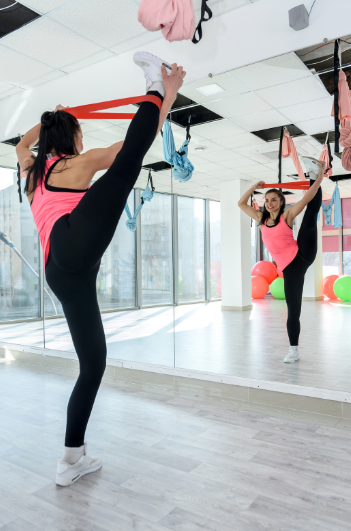
How to Choose the Right Resistance Band: A Guide to Resistance Levels and Materials
Resistance bands are among the most versatile fitness accessories for anyone looking to train at home, complement gym workouts, or improve mobility and athletic performance. Despite their apparent simplicity, choosing the right product can make a significant difference in terms of effectiveness, comfort, and consistency in training.
Many people purchase a resistance band based solely on price or the color assigned by the manufacturer. This often results in using a resistance level that is unsuitable for their abilities—either too light and ineffective or too heavy and difficult to manage. Understanding the differences between resistance levels, materials, and intended uses allows for a more informed purchase and helps build a safe progression over time.
Understanding the Differences Between Resistance Bands
Resistance, Width, and Tension
When discussing band resistance, it is not simply about the amount of force required to stretch the band. The width, thickness, and overall length significantly influence the tension generated during exercise. Two bands that appear similar can provide very different experiences during squats, rows, or mobility exercises.
Width is one of the most useful indicators for understanding resistance levels. Generally, wider and thicker bands provide greater resistance. For this reason, it is important to read the manufacturer's specifications rather than relying solely on colors, which can vary from one brand to another.
Why Not All Resistance Bands Are the Same
One of the most common questions concerns the actual differences among the many models available on the market. The answer is simple: resistance bands can be designed for completely different purposes. Some are optimized for mobility work, others for strength training, and others for muscle activation or rehabilitation.
Build quality also affects durability, smoothness of tension, and safety during use. A well-made product tends to maintain its performance characteristics longer, providing a more consistent and reliable training experience.
How to Choose the Right Resistance Level
Light Resistance Bands for Beginners and Mobility
Anyone new to resistance band training should generally start with lighter resistance levels. This allows users to learn proper exercise technique without excessive compensation patterns and without placing unnecessary stress on joints and muscles.
Light resistance bands are particularly suitable for stretching, warm-ups, functional recovery, and muscle activation. They help users become familiar with movement patterns and often represent the first step in a sustainable and effective progression.
Medium Resistance Bands for Complete Workouts
Medium resistance bands are the most versatile option for the majority of home gym users. They provide a balanced combination of control and intensity, making them suitable for exercises targeting both the upper and lower body.
For many users, they represent the ideal starting point. Individuals with some training experience can use medium bands for rows, assisted squats, presses, and a wide range of accessory exercises while maintaining an appropriate level of challenge.
Heavy Resistance Bands for Strength and Progression
Heavy-duty bands are designed for users who require a greater training stimulus or who want to use resistance bands as a genuine alternative to free weights in certain exercises. They are widely used in strength-focused programs and for pull-up assistance.
However, purchasing a highly resistant band without prior experience can be frustrating. Users may struggle to perform exercises correctly and eventually stop using the equipment altogether. A gradual progression is almost always the most effective strategy.
Materials: Latex, Fabric, and Other Differences
Advantages of Latex Resistance Bands
Natural latex is the most commonly used material in the industry. It offers progressive elasticity, excellent stretchability, and exceptional versatility. For this reason, it is frequently used in long resistance bands and loop bands.
From a practical standpoint, latex bands support a wide range of exercises and intensity levels. However, proper storage is important, as prolonged exposure to heat or direct sunlight may accelerate wear and reduce lifespan.
When to Choose Fabric Resistance Bands
Fabric resistance bands have become increasingly popular, especially for lower-body and glute-focused workouts. Compared to latex, they tend to stay in place more effectively and provide greater comfort during repetitive exercises.
Choosing between fabric and latex should not be based on the assumption that one material is universally superior. Instead, the decision should reflect the intended use and personal preferences. Many users achieve the best results by incorporating both types into their training routines.
Choosing Based on Your Training Goals
Toning and General Fitness
Individuals seeking to improve muscle tone, stay active, or incorporate short workout sessions into their daily routine can generally benefit from light or medium resistance bands. In these situations, the primary goal is to ensure consistency and ease of use.
A band that is excessively challenging may limit exercise variety and reduce overall enjoyment. The ideal choice is one that allows controlled movement while still providing an effective training stimulus.
Strength, Hypertrophy, and Home Gym Training
For those using a home gym and aiming to progressively increase strength, purchasing a set with multiple resistance levels is often the smartest solution. This approach makes it possible to match resistance to different muscle groups and exercise variations.
Having access to multiple bands also simplifies long-term progression. As strength improves, resistance can be gradually increased without the need to replace existing equipment entirely.
Common Mistakes That Lead to the Wrong Purchase
Choosing Based Solely on Price
Price is certainly an important factor, but it should not be the only criterion used when evaluating resistance bands. Extremely inexpensive products may feature lower manufacturing standards, reduced durability, or less consistent resistance.
Assessing material quality, warranty coverage, and the clarity of product specifications allows for a more informed purchasing decision. A slightly higher investment often translates into greater satisfaction and a longer product lifespan.
Ignoring Future Progression
One of the most common mistakes is purchasing a single band without considering future improvements in fitness levels. As the body adapts to training stimuli, the resistance that initially felt challenging may eventually become insufficient.
Planning for progression from the outset helps avoid repeated purchases and supports long-term motivation. This approach is particularly valuable for beginners who intend to establish a sustainable training routine.
How to Identify the Most Suitable Resistance Band Set
Practical Resistance Level Guide
A simple guideline can help simplify the selection process. Generally, light resistance bands are best for mobility, rehabilitation, and beginners; medium bands are ideal for versatile full-body workouts; and heavy bands are designed for strength training, pull-up assistance, and more experienced users.
Rather than focusing exclusively on the resistance values listed by manufacturers, it is useful to consider the intended application. A medium band may feel challenging for pressing movements while being relatively light for certain lower-body exercises.
Practical Examples
A beginner planning to train at home three times per week can benefit from a set that includes both light and medium resistance bands. This combination provides enough variety to learn exercises correctly while allowing gradual progression without excessive difficulty.
An experienced trainee or dedicated home gym enthusiast may instead benefit from a kit featuring multiple resistance levels and accessories such as carrying bags or storage solutions. This approach keeps training flexible, adapts to evolving needs, and reduces the likelihood of unnecessary future purchases.
Comments (0)