
Trolley
You have no items in your shopping cart

 Budgets
 Dumbers
 Discs
Discs
 Benches
 Racks and Rigs
 Weights Holders
 Isotonic machines
 Calisthenics
 Cardio
 Kettlebells
 Flooring
 Gym Set
 Accessories
 Combat
 ARTI MARZIALI
 CONTAINER GYM
 Tug-Of-War
 Used Gym Equipment
 PILATES MACCHINARI
 GINNASTICA ARTISTICA
 CAMPI DA PADEL
 Prodotti in Pronta Consegna
 Informazioni
 IRONMAN
 Gift Card
- Donatif
- General information
- 0 I like it
- 875 Views
- 0 comments
- gym flooring, safety flooring, gym safety, shock-absorbing materials
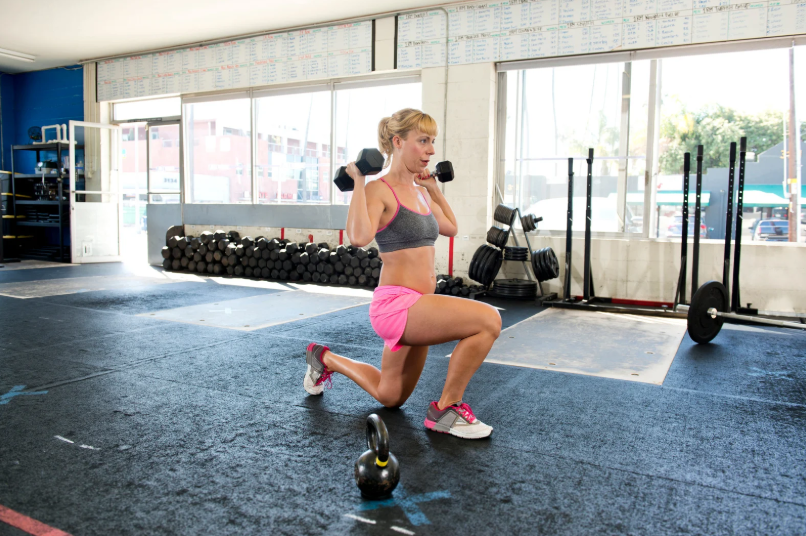
Shared gym: better fewer new machines or more utility with refurbished equipment?
Managing a condominium gym means making decisions that are not only technical, but also social and economic. The most common dilemma concerns how to allocate the budget: is it better to buy fewer pieces of equipment but all brand new, or to integrate refurbished machines to increase overall utility? This choice is not trivial, because it involves perception, trust, and responsibility toward a group of people with different expectations.
The answer does not lie in an absolute preference, but in a balance between real utility, robustness, and spending sustainability. Understanding this balance makes it possible to turn a difficult decision into a rational and defensible one.
- The real issue: shared budget
- New vs refurbished
- More equipment or more utility
- Group perception
- When to choose new
- When refurbished makes sense
The real issue: shared budget and responsibility toward the group
In a shared gym, every euro spent must be justifiable to multiple people. This often leads to favoring choices perceived as “safe,” where new becomes synonymous with reliability. However, this association is more emotional than technical and risks limiting the overall value of the investment.
The key point is not how much is spent, but how much real utility is generated. A gym with few new machines may be less functional, while one with a broader selection, also thanks to refurbished equipment, can better meet users’ needs.
Why new always seems like the safest choice
New equipment offers immediate reassurance: no previous use, perceived warranty, and ease of justification to the group. This dynamic is linked to a mechanism of automatic trust, where price and novelty become indicators of quality.
In shared contexts, this choice is often seen as more defensible because it reduces the risk of criticism. However, this sense of security is partly illusory if it is not evaluated in relation to overall utility.
The hidden limits of a “new-only” choice
Sticking only to new equipment often means reducing the number of machines that can be purchased. This results in a more limited functional coverage, with fewer training options for different users.
Over time, this choice can lead to dissatisfaction, because the gym feels incomplete. The risk is having made a “correct” expense that is not truly effective.
New vs refurbished: what really changes
Concrete differences between new and refurbished equipment
New equipment guarantees uniform standards and no previous history. Refurbished machines, on the other hand, come from professional equipment that has been overhauled, often with a more solid structure than entry-level new products.
The real difference is not between new and used, but between build quality and level of use. A high-end refurbished machine can deliver better performance than a low-cost new one.
When refurbished is a technical choice, not a compromise
Refurbished becomes a smart option when it allows access to more robust and complete machines. In this case, it is not about saving money, but about optimizing the budget.
This perspective completely changes how the purchase is evaluated, shifting the focus from novelty to actual functionality.
More equipment or more utility: how the gym’s value changes
Exercise coverage and variety
A shared gym must meet diverse needs. Having more equipment ensures a greater variety of training options, increasing user satisfaction.
Adding refurbished machines can expand this coverage without increasing the budget, making the gym more complete and functional.
The risk of a “new but incomplete” gym
A limited setup, even if new, may be insufficient. This creates a gap between expectations and actual use, reducing the perceived value of the investment.
In the long run, a less versatile gym risks being underused, undermining the initial expense.
Group perception and sustainability of the choice
How refurbished is perceived in a shared context
Refurbished equipment can create distrust if not properly explained. There is a stigma associated with used products, which must be managed through transparency and clear information.
Demonstrating the quality and robustness of the machines helps shift this perception, making the choice more acceptable.
Making the choice defensible and understandable
A decision is sustainable when it can be clearly explained. Linking refurbished equipment to increased utility makes the choice rational and shareable.
The focus should be on collective benefit, not on the nature of the product.
When it really makes sense to choose new
Contexts where new protects the budget
New equipment is preferable when the group is particularly sensitive to perception or when consensus management is a priority. In these cases, the choice reduces conflict and simplifies decision-making.
It is also suitable for equipment subject to higher perceived wear, where initial trust is crucial.
Mistakes to avoid in a conservative choice
The main mistake is sacrificing too much functionality. A choice focused only on new equipment can lead to a low-utility gym, despite the investment.
Maintaining a balance between perception and actual use is essential.
When refurbished increases the value of the budget
Concrete examples of greater utility
Adding a refurbished multi-gym machine or professional cardio equipment can significantly enhance the quality of the offering. In these cases, the value generated outweighs the perceived risk.
This choice is particularly effective when the budget is limited but the goal is to ensure a complete gym.
How to select reliable refurbished equipment
The quality of refurbished equipment depends on the refurbishment process. It is essential to choose reliable suppliers and verify the structural robustness and condition of components.
Careful selection makes it possible to obtain a durable product, turning refurbished equipment into a strategic lever for maximizing the budget.
Comments (0)