













Trolley
You have no items in your shopping cart
 Budgets
 Dumbers
 Discs
Discs
 Benches
 Racks and Rigs
 Weights Holders
 Isotonic machines
 Calisthenics
 Cardio
 Kettlebells
 Flooring
 Gym Set
 Accessories
 Used Gym Equipment
 Combat
 ARTI MARZIALI
 Tug-Of-War
 CAMPI DA PADEL
 PILATES MACCHINARI
 GINNASTICA ARTISTICA
 Gift Card
 Informazioni
- Donatif
- General information
- 0 I like it
- 11 Views
- 0 comments
READING TIME: 5 MINUTES ➤➤
Natural Testosterone: 5 Scientific Strategies to Increase It
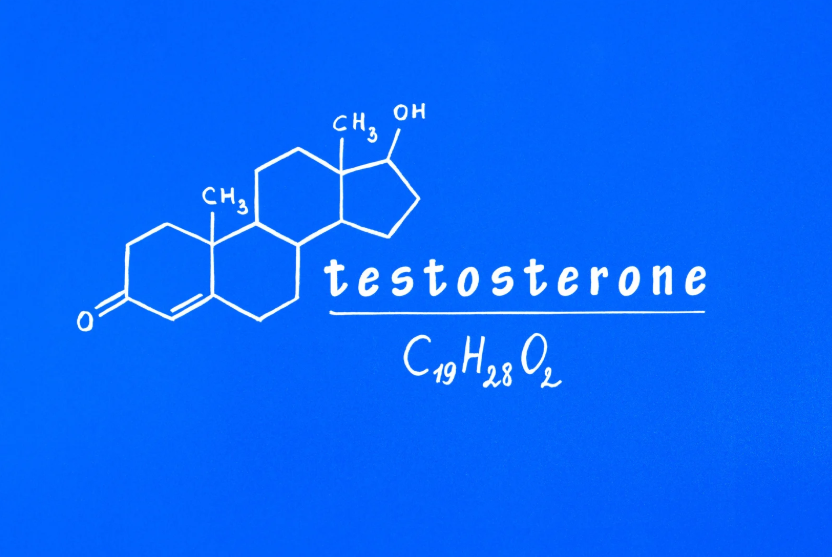
Testosterone is one of the most important hormones for male health. After age 30, many men experience a gradual decline in hormone levels, with repercussions on energy, body composition, libido, and performance. Fortunately, there are natural, scientifically validated approaches to counteract this decline without resorting to pharmaceutical therapies. In this guide, we will explore the physiological foundations of hormone production and 5 effective strategies to naturally boost testosterone, with tangible benefits for vitality and well‑being.
- Why Testosterone Is So Important for Men
- Physiology and Metabolism: How Hormone Production Works
- 5 Natural, Evidence‑Based Strategies to Increase Testosterone
- What to Avoid: Habits That Sabotage Testosterone
- Hormone Optimization Strategy: An Integrated Approach
Why Testosterone Is So Important for Men
Hormonal Functions of Testosterone
Testosterone is the primary androgen hormone responsible for male sexual characteristics, but its role goes far beyond that. It regulates muscle mass, body fat distribution, red blood cell production, and psychological well‑being. Systemically, testosterone helps maintain high energy levels, motivation, and mental alertness, making it a valuable ally for those looking to improve their physical and mental performance.
In addition to its sexual function, often emphasized, testosterone also plays a role in metabolic regulation, promoting greater efficiency in the use of energy substrates and a reduced tendency to accumulate fat. This influence on metabolism makes it a key element for those who want to lose weight or improve muscle definition.
Physiological Decline After Age 30: Causes and Consequences
From about age 30–35, testosterone levels tend to drop naturally by approximately 1% per year. This decline can be accelerated by chronic stress, poor nutrition, sedentary lifestyle, and lack of sleep. The consequences manifest with subtle but progressive symptoms: reduced sexual desire, loss of muscle mass, increased abdominal fat, and persistent fatigue.
It’s not just about aesthetics or libido: prolonged hormone deficiency can negatively impact cardiovascular parameters, bone density, and mental well‑being. For this reason, it is essential to intervene promptly, favoring natural and sustainable solutions before resorting to invasive or unnecessary pharmaceutical therapies.
Physiology and Metabolism: How Hormone Production Works
Hypothalamic‑Pituitary‑Testicular Axis and Hormone Synthesis
Testosterone production primarily takes place in the testes under the control of the hypothalamic‑pituitary‑gonadal axis. The hypothalamus releases GnRH (gonadotropin‑releasing hormone), which stimulates the pituitary gland to produce LH (luteinizing hormone). LH then acts on Leydig cells in the testes to produce testosterone. It is a delicate feedback mechanism influenced by numerous factors, including stress, nutrition, and sleep quality.
The health of this neuroendocrine axis is thus fundamental to maintaining optimal hormone levels. Any interference—physical, psychological, or environmental—can disturb the production cycle and lead to a reduction in circulating testosterone concentration.
The Influence of Metabolism and Body Composition
Metabolism plays a decisive role in hormonal regulation. An efficient metabolism allows for better synthesis of steroid hormones and more balanced energy management, reducing the risk of fat accumulation and hormonal dysfunctions. Body composition is also crucial: a high percentage of body fat, particularly visceral fat, is associated with lower testosterone levels and an increase in aromatase, an enzyme that converts testosterone into estrogens.
Conversely, a good proportion of muscle mass supports an optimal hormonal profile and overall improvement in male physiology. Targeted training and proper nutrition can thus activate a positive spiral that enhances endogenous testosterone production naturally.
5 Natural, Evidence‑Based Strategies to Increase Testosterone
1. Resistance Training and Supercompensation
Physical exercise, particularly resistance training (such as weight lifting or bodyweight exercises), is one of the most powerful stimuli for increasing testosterone. Activating large muscle groups with high intensity triggers an acute hormonal response that, if properly structured, can lead to a positive chronic adaptation. This process, known as supercompensation, means that after an intense training stimulus the body adapts by increasing strength, anabolic capacity, and hormone production.
To maximize the effect, favor multi‑joint exercises (squats, deadlifts, pull‑ups) with heavy loads and well‑timed recovery. Intensity and volume must be carefully managed: too little won’t stimulate enough, while excessive training can induce metabolic stress and elevate cortisol, inhibiting testosterone.
2. Key Nutrients: Healthy Fats, Zinc, and Vitamin D
A diet low in fats and micronutrients is one of the main factors behind testosterone deficiency. Cholesterol—often demonized—is actually the precursor of steroid hormones: without an adequate amount of healthy fats (such as those found in avocados, olive oil, eggs, and nuts), the body struggles to synthesize hormones like testosterone.
In addition, minerals like zinc and vitamin D are essential for the functioning of the hypothalamic‑pituitary‑gonadal axis. Low zinc levels are associated with a significant drop in hormone production, while vitamin D acts as an endocrine modulator. Supplementing these nutrients—if deficient—can make a significant difference.
3. Deep Sleep and Circadian Rhythms
The peak of testosterone production occurs during deep sleep, especially in the early hours of the night. Sleep deprivation, even for a few days, can significantly reduce circulating testosterone levels, negatively affecting energy, libido, and recovery capacity.
It’s crucial to sleep at least 7–8 hours per night, paying attention to sleep quality. Irregular rhythms, exposure to bright screens before bed, or unfavorable environmental conditions can disrupt circadian rhythms and compromise hormone production. A consistent and relaxing nighttime routine helps optimize levels naturally.
4. Reducing Metabolic Stress and Cortisol
Chronic stress is one of testosterone’s biggest enemies. When the body perceives a constant state of alarm—due to mental overload, lack of sleep, excessive training, or overly restrictive dieting—it increases production of cortisol, the stress hormone. Cortisol and testosterone have an inverse relationship: when one rises, the other falls.
To avoid this imbalance, reduce metabolic stress with practices like meditation, deep breathing, restorative walks, and balanced training planning. Active recovery is as important as the training stimulus: a stressed body cannot function optimally hormonally.
5. Sexual Activity, Virility, and Hormonal Feedback
An active and satisfying sex life is not just a consequence of high testosterone levels but also a powerful stimulus to maintain them. Frequent sexual activity is correlated with increased endogenous hormone production through a positive feedback mechanism: the more the system is activated, the more the body is encouraged to produce testosterone.
Even expressions of virility through gestures, posture, and attitude can influence hormone levels, albeit to a lesser extent. The body responds to behavioral and environmental stimuli, and a lifestyle that values assertiveness, human connection, and self‑confidence indirectly contributes to keeping testosterone levels high over time.
What to Avoid: Habits That Sabotage Testosterone
Endocrine Disruptors and Environmental Interferents
In everyday life we are exposed to numerous substances that can compromise hormonal balance. Endocrine disruptors—such as phthalates, bisphenol A (BPA), parabens, and pesticides—interfere with the synthesis, transport, and activity of sex hormones, including testosterone. These compounds are often found in plastic, cosmetics, food containers, and even drinking water.
Reducing exposure to these substances is a fundamental preventive strategy. Choosing glass containers, natural personal care products, organic foods, and water filters can limit the accumulation of environmental interferents, helping maintain a healthy and stable hormonal profile over time.
Excessive Cardio and Overly Restrictive Diets
Although aerobic activity is beneficial for overall health, excessive cardio—especially when combined with insufficient calorie intake—can compromise hormone production. The body perceives a signal of “scarcity” or prolonged physical stress, triggering survival mechanisms that include blocking testosterone synthesis to save energy.
The same applies to excessively restrictive diets, especially very low‑fat ones. Without adequate caloric and lipid intake, the body lacks the resources needed to produce steroid hormones. Therefore, it is essential to follow a balanced nutritional plan that supports both performance and endocrine equilibrium.
Hormone Optimization Strategy: An Integrated Approach
Monitoring Levels and Progress Over Time
Every effective hormone optimization strategy must include a phase of monitoring. Periodically measuring free and total testosterone levels, along with other markers (cortisol, LH, SHBG), allows you to track progress and tailor lifestyle changes in a personalized way. Indirect indicators—such as daily energy, libido, and body composition—are also important signals to pay attention to.
Mindful self‑observation, possibly supported by specialist check‑ups, enables a proactive and scientific approach to hormonal health. Each man responds individually to stimuli: what works for one may not be enough for another. Monitoring is the key to calibrating your journey in a sustainable and lasting way.
Benefits for Performance, Vitality, and Aging
Investing in natural testosterone production means addressing the root of male vitality. The benefits extend beyond increased muscle mass or libido to cardiovascular health, mental clarity, bone density, and recovery capacity. In other words, optimizing testosterone naturally helps slow the aging process.
With a holistic and mindful approach—combining strategic training, intelligent nutrition, stress management, and adequate rest—you can achieve concrete results without resorting to pharmaceutical shortcuts. The goal is not just to look better, but to feel your best at every age.
Comments (0)