
Trolley
You have no items in your shopping cart

 Budgets
 Dumbers
 Discs
Discs
 Benches
 Racks and Rigs
 Weights Holders
 Isotonic machines
 Calisthenics
 Cardio
 Kettlebells
 Flooring
 Gym Set
 Accessories
 Combat
 ARTI MARZIALI
 CONTAINER GYM
 Tug-Of-War
 Used Gym Equipment
 PILATES MACCHINARI
 GINNASTICA ARTISTICA
 CAMPI DA PADEL
 Prodotti in Pronta Consegna
 Informazioni
 IRONMAN
 Gift Card
- Donatif
- General information
- 0 I like it
- 0 Views
- 0 comments
- gym flooring, safety flooring, gym safety, shock-absorbing materials
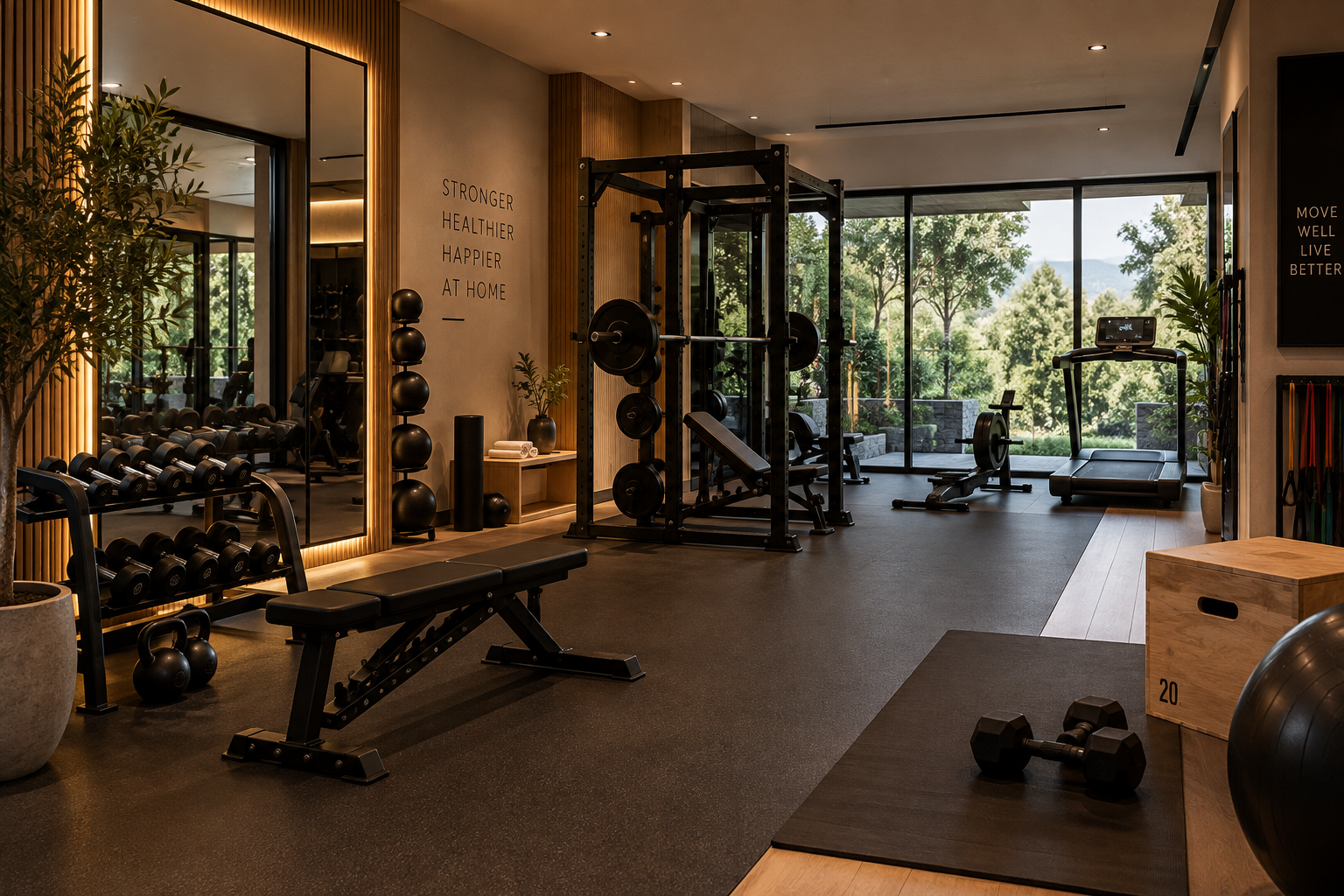
Personal trainer studio vs. boutique gym: differences, organization, and selection criteria
A personal trainer studio and a boutique gym are two types of businesses that share a focus on personalized service but are designed for different operational needs. Understanding the differences between these solutions allows you to organize spaces, select equipment, and plan investments in a way that aligns with your professional project.
The quick answer is that a PT studio is generally geared toward individual sessions or sessions with very few clients at the same time, whereas a boutique gym is designed for small groups following structured programs. This difference influences layout, organization, quantity of equipment, and the daily management of the facility.
Before choosing either model, it is advisable to evaluate available surface area, training methodology, expected number of users, and potential for future development. These elements represent the main decision-making criteria.
- What are the main differences?
- Comparison table
- When to choose a PT studio
- When to choose a boutique gym
- How the layout changes
- What equipment to use
- Design errors to avoid
- How to plan development
What are the main differences between a PT studio and a boutique gym?
The personal trainer studio is created to offer a highly personalized service in which the professional works with one or a few clients at a time. The space design prioritizes training control, freedom of movement, and equipment versatility.
On the other hand, the boutique gym is organized to host small groups participating in structured sessions. The layout is developed to allow the simultaneous management of multiple users while maintaining order and operational continuity.
Both models may use similar equipment, but the distribution of spaces and the quantity of tools vary depending on how they are used.
How does the service change?
The PT studio prioritizes individual customization, while the boutique gym organizes workouts aimed at small groups following a defined format.
Why is the target audience crucial?
The number of users and type of workout directly influence the design of the facility.
Comparison table
| Element | PT Studio | Boutique Gym |
|---|---|---|
| Users | Individual or small groups | Organized small groups |
| Layout | Trainer-focused | Class-oriented |
| Equipment | Versatile and multi-function | Format-dedicated configuration |
| Organization | Personalized programs | Structured sessions |
| Space management | High flexibility | Distribution by operational areas |
| Development | Gradual expansion | Service expansion |
This table represents a general comparison and should be adapted to the characteristics of the individual project.
To define the final configuration, it is useful to analyze the business model and the expected training type.
What criteria should be evaluated?
Offered services, available space, operational organization, and growth potential represent the main decision-making factors.
Why plan for the future?
A modular configuration facilitates the evolution of the facility without radical interventions.
When to choose a PT studio?
A PT studio is indicated when the professional wants to offer completely personalized programs and directly supervise each client throughout the entire session.
In this model, the quality of interaction is central, and the space is designed to guarantee maximum freedom of movement and ease of supervision.
An essential yet versatile setup allows for the development of numerous training programs while keeping the overall footprint contained.
Why focus on customization?
Individual workouts make it possible to tailor the work to the specific needs of each client.
Why are versatile pieces of equipment needed?
A multi-function configuration makes it possible to address numerous goals without increasing space occupancy.
When to choose a boutique gym?
A boutique gym is suitable when the project involves organized classes for small groups and a well-defined training format. The distribution of spaces must allow for the simultaneous management of multiple users while maintaining order and activity continuity.
Equipment is selected based on the adopted methodology and arranged to facilitate instructors' work during sessions.
The layout prioritizes clear pathways, well-defined operational areas, and the possibility of room reconfiguration.
Why design for small groups?
A coherent distribution of spaces facilitates class management and improves user experience.
Why define a format?
A clear operational model helps in choosing equipment that is truly consistent with the services offered.
How does the layout change?
The PT studio generally maintains a large central area dedicated to individual workouts, whereas the boutique gym organizes the room based on planned collective activities.
Both models should provide orderly pathways, easily accessible storage systems, and obstacle-free areas.
Even the flooring should be selected considering the characteristics of the activities performed and following the manufacturers' instructions.
Why design orderly pathways?
A rational distribution improves movement and facilitates operational management.
Why organize accessories?
Efficient storage keeps the training area clear and simplifies sessions.
What equipment to use?
Both models can benefit from a multi-function setup, but the quantity and arrangement change based on the number of users present at the same time.
Before purchasing, it is advisable to check dimensions, installation methods, maintenance requirements, and compatibility among different pieces of equipment by consulting the manufacturers' technical documentation.
For a PT studio, a versatile solution may include a professional dumbbell set integrated with racks, benches, and accessories selected based on the work method.
Why choose multi-function equipment?
They allow for numerous exercises while maintaining high operational space availability.
Why consult technical data sheets?
Manufacturer information constitutes the reference for installation, use, and maintenance.
What design errors to avoid?
One of the most frequent errors consists of designing a PT studio following the logic of a boutique gym or organizing a boutique gym as if it were a space intended exclusively for personal training.
It is also advisable to avoid purchasing equipment before defining the layout and operational model of the facility.
Neglecting the possibility of future expansions can also limit the evolution of the project.
Do more pieces of equipment always improve the project?
No. A selection consistent with the service offered is generally more effective than a very broad but poorly organized setup.
Why design before purchasing?
Early planning allows for the optimization of investments, organization, and future development.
How to plan development?
The choice between a PT studio and a boutique gym should be guided by professional goals, clientele type, and the training methods one intends to offer. Designing while starting from these elements makes it possible to create an efficient facility that is easy to manage over time.
Carefully evaluating the PT studio layout, multi-function equipment, space organization, and expansion possibilities allows you to build an environment consistent with the business model without introducing unnecessary complexity.
Comments (0)