IRONMAN
Discounts and Promotions on IRONMAN
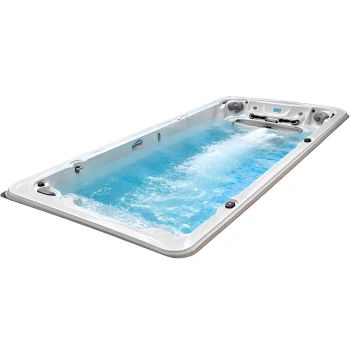
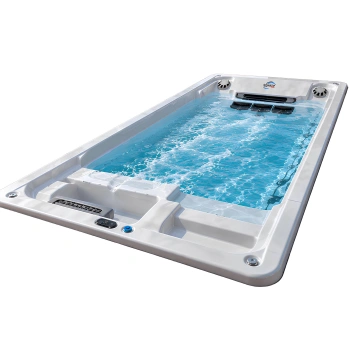
The Ironman category features products and equipment designed for the three disciplines that make up this sport: swimming, cycling, and running. This selection allows you to find specific training products in one place and organize your gear according to the different segments of the race. Items are available for both those putting together their first set of gear and athletes looking to supplement or replace products they already use.
Discounts and promotions may apply to various product types within the category, ranging from swimming gear to bikes, helmets, and running apparel. The availability of offers depends on the products listed in the catalog and allows you to evaluate the configuration that best suits your needs. The starting point is always the type of discipline, followed by training frequency and experience level.
Browse our IRONMAN catalog
IRONMAN Gear for Swimming, Cycling, and Running
The term “Ironman gear” refers to the range of products used in the three disciplines of the triathlon. Swimming, cycling, and running require different equipment, but they must be considered as part of the same training program. For this reason, the choice isn’t just about individual items—practicality, comfort, and ease of use during training and when transitioning between disciplines also matter.
A kit may include essential items as well as more specific accessories. For swimming, goggles, swim caps, nose clips, and wetsuits come into play; in the cycling segment, the bike and helmet play a central role; and for running,technical running apparel becomes essential. Your gear can therefore be built up gradually, selecting each product based on the athlete’s experience, the distances covered, and the conditions in which you train.
Ironman Swimming: Accessories and Gear for the Water Segment
The swimming leg of an Ironman requires products that allow the athlete to move through the water without unnecessary interference. Accessories vary depending on the context: training in a pool presents different needs than open-water swimming. Fit and comfort are therefore key criteria in the selection process, especially when the equipment is used regularly during training.
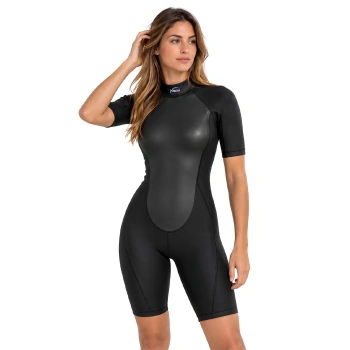
Swim goggles, swim caps, and face-protection accessories are simple yet important elements of your gear. Added to these are Ironman neoprene wetsuits, designed for swimming in conditions where wearing a wetsuit is permitted and appropriate. Size, thickness, elasticity, and freedom of movement must be carefully evaluated because a wetsuit must support your stroke without causing excessive compression or restriction.
Swim caps, goggles, and nose clips
Swim caps help keep hair in place and provide a smoother surface while moving through the water. The choice depends on the material, fit, and individual preferences. Swim goggles should also be selected based on face shape, seal, field of vision, and adjustability—factors that are particularly important during extended sessions.
The ideal swimming nose clip, on the other hand, is an accessory designed for those who prefer to limit water entering their nostrils during certain activities. Its size and the pressure it exerts must be compatible with the shape of the nose and the duration of use. In Ironman training, these small accessories can be part of pool preparation, along with other products used to make the session smoother and more comfortable.
Ironman Neoprene Wetsuits
Ironman neoprene wetsuits are designed for swimming and have different characteristics than neoprene garments intended for other water activities. The material must offer a balance between insulation, buoyancy, and mobility. Particular attention is given to the shoulders and arms, as the wetsuit’s construction should not unnecessarily hinder the natural stroke motion.
When choosing an Ironman wetsuit for swimming, you should start by considering size and fit, not just the thickness of the neoprene. A wetsuit that is too loose can allow water to seep in and cause the material to shift, while a fit that is too tight can be uncomfortable. The ease with which the wetsuit can be removed is also worth considering, given that in Ironman, the transition from swimming to cycling is part of the overall race strategy.
Ironman Cycling: Bikes, Helmets, and Equipment
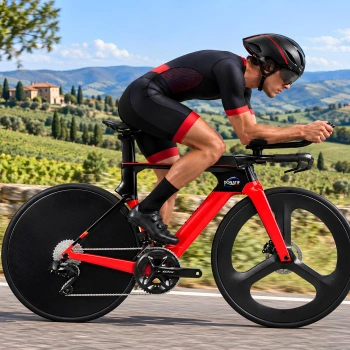
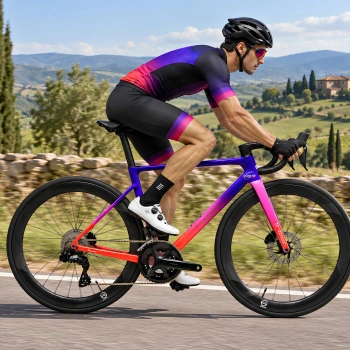
The cycling segment presents very different demands from those encountered in the water. An Ironman bike mustbe evaluated by considering its geometry, the athlete’s position, adjustments, and the type of course. There is no one-size-fits-all configuration for every rider: height, body proportions, experience, and distances covered all influence the choice and setup of the bike.
For those new to Ironman, it may be more helpful to focus first on a correct and manageable riding position, and then evaluate more specific setups as experience grows. Maintenance also plays a crucial role. Drivetrains, brakes, tires, and wear-prone components require periodic checks, especially when the bike is used frequently during training.
Bikes for the Cycling Segment
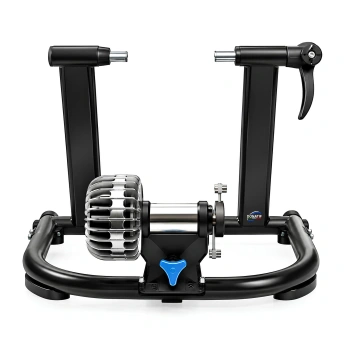
Ironman bikes may feature configurations geared toward an aerodynamic position, but the choice must always start with the compatibility between the bike and the athlete. The frame and components are only part of the evaluation. Saddle adjustment, handlebar position, and weight distribution all affect pedaling efficiency and comfort over the distances covered.
The bike must also be considered in relation to the subsequent running segment. In an Ironman, cycling is not an isolated activity: after dismounting the bike, the runner must tackle the run. A sustainable setup allows you to manage the cycling segment without compromising the continuity of the race. For this reason, the equipment should be consistent with the athlete’s training, goals, and physical characteristics.
Cycling Helmets for Ironman
The cycling helmet is an essential piece of equipment. When choosing one, you must first consider size, proper fit, and compatibility with the shape of your head. Fastening and adjustment systems allow you to customize the helmet, while ventilation, weight, and construction may vary depending on the model and intended use.
In the context of the Ironman, it’s also helpful to consider practicality during the transition. A helmet that’s easy to put on and adjust allows you to organize your gear more efficiently without sacrificing a proper fit. The technical specifications provided by the manufacturer and usage instructions must always be checked on the individual product before purchase.
Ironman Running: Running Apparel
Running apparel must allow for natural movement and proper heat and sweat management. In Ironman, what happens before the run is also important: the athlete reaches the running segment after having already swum and cycled. Comfort, fit, and minimizing unnecessary elements therefore become practical criteria when selecting gear.
The choice of garments also varies depending on the season, temperatures, and the duration of the workout. Technical fabrics, seams, elasticity, and moisture-wicking capabilities are factors to consider in relation to the intended use. A suitable garment should remain stable during movement without causing noticeable restrictions, especially in the areas most affected by the running motion.
Running Clothing for Training and Competition
Running apparel for Ironman includes garments that can be used during specific running workouts or as part of multidisciplinary training sessions. The fit must allow freedom of movement for the legs and torso, avoiding excessive fabric or uncomfortable pressure points. The choice naturally varies depending on whether the weather is hot, cold, or characterized by variable conditions.
Those training for all three disciplines can build their technical wardrobe gradually. Garments intended for daily sessions may have different requirements than those chosen for a competition. It is therefore helpful to consider frequency of use, environmental conditions, and personal characteristics, keeping in mind the practicality required by a sport in which swimming, cycling, and running are all part of the same activity.
How to Choose Ironman Gear
To chooseIronman gear, it’s best to start with the three disciplines and identify what you actually need for your skill level. Beginners can focus on essential gear and expand their equipment later. More experienced athletes, on the other hand, can look for more specific products, evaluating details such as fit, materials, adjustments, and compatibility with their training style.
Frequency of use is another key factor. A product used several times a week may require different features than an accessory used only occasionally. For wetsuits, helmets, bikes, and clothing, it’s also always a good idea to consult the manufacturer’s size charts, technical specifications, and instructions. This way, the Ironman category serves as a well-organized gateway to the various pieces of equipment needed for swimming, cycling, and running.
Frequently Asked Questions About Ironman
Questions about equipment often concern how many products are actually needed, the differences between the three disciplines, and the criteria for choosing items. You don’t have to buy everything at once: your gear can evolve along with your experience and training frequency.
The following answers address some of the most common questions regarding Ironman products and accessories. For sizes, materials, compatibility, and usage instructions, however, you should always refer to the specifications listed on the individual product page.
What equipment do you need to get started with Ironman?
To get started, you should consider swimming, cycling, and running separately. Your gear can include swimming gear, a bicycle with a helmet, and appropriate running apparel. More specialized accessories can be added gradually based on your training frequency.
It’s therefore not necessary to start with the most comprehensive setup. Experience, the distances you tackle, and your training context will help you understand which products serve a practical purpose in your training and which ones can be considered later.
How do you choose a neoprene wetsuit for an Ironman?
When choosing an Ironman neoprene wetsuit, pay particular attention to size, fit, elasticity, and freedom of movement. The wetsuit must fit snugly without restricting movement in the shoulder area during the stroke.
It’s also helpful to check the manufacturer’s guidelines regarding measurements and neoprene specifications. Water conditions and intended use influence the choice, along with the rules applicable to the competition in which you plan to use the wetsuit.
What accessories are useful for Ironman swimming?
Accessories used for Ironman swimming include swim caps and goggles, to which items such as a nose clip may be added depending on personal preference. The neoprene wetsuit, on the other hand, is a more specific piece of equipment, tied to the context and conditions in which you’re swimming.
Each accessory must be evaluated for fit and comfort. Goggles, for example, need to fit the face well, while swim caps and nose clips must stay in place without causing uncomfortable pressure during the swim.
How to Choose a Bike and Helmet for an Ironman?
When choosing an Ironman bike , consider the athlete’s measurements, the bike’s geometry, adjustability, and intended use. A correct and sustainable riding position is particularly important because the cycling segment is followed by the run.
For the helmet, you should check the size, fit, technical specifications, and manufacturer’s instructions. Comfort and practicality are important factors, but they must be evaluated alongside the product’s proper fit and its intended use.


 Budgets
 Dumbers
 Discs
Discs
 Benches
 Racks and Rigs
 Weights Holders
 Isotonic machines
 Calisthenics
 Cardio
 Kettlebells
 Flooring
 Gym Set
 Accessories
 Combat
 ARTI MARZIALI
 CONTAINER GYM
 Tug-Of-War
 Used Gym Equipment
 PILATES MACCHINARI
 GINNASTICA ARTISTICA
 CAMPI DA PADEL
 Prodotti in Pronta Consegna
 Informazioni
 IRONMAN
 Gift Card