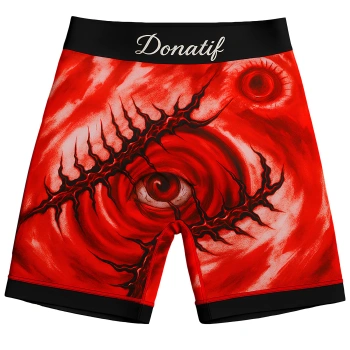
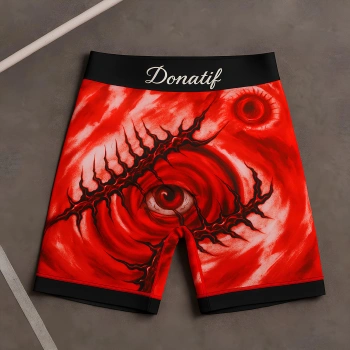
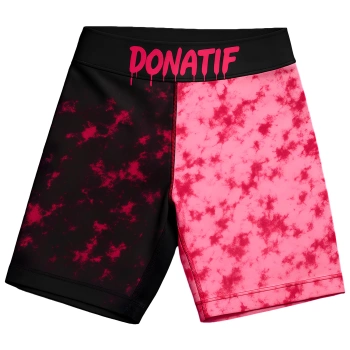
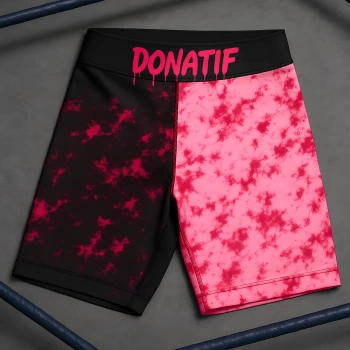
Compression shorts
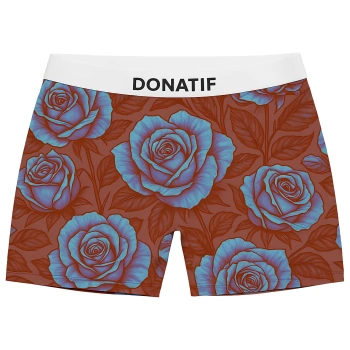
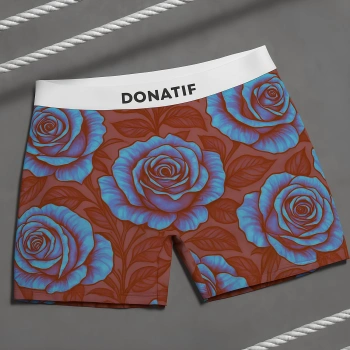
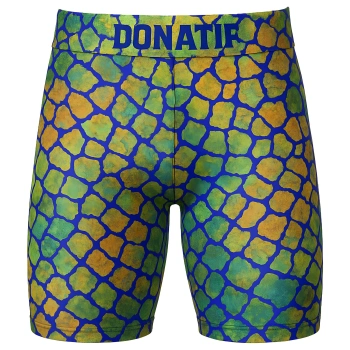
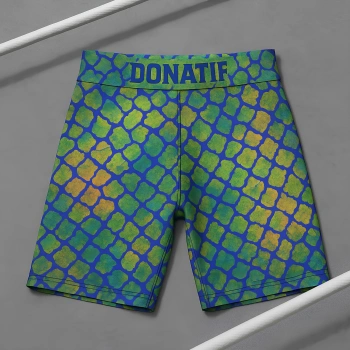
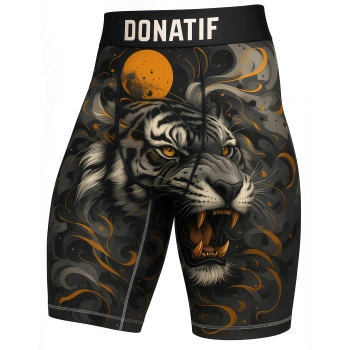
Discover exclusive offers on our compression shorts ideal for MMA and combat sports. Every week we select the best models with discounted prices and seasonal promotions to help you achieve maximum performance at the best cost. Take advantage of savings bundles and promos for sports professionals!
Subscribe to the newsletter to receive reserved discount codes, previews of new launches and useful tips for choosing the technical clothing that best suits your needs. For those who practice high-intensity sports, quality is never an option: with us you can also have it at the best price.
Table of Contents
Why Use Compression Shorts in Sport
Benefits of Muscle Compression
Compression shorts are designed to offer constant muscle support during physical activity. Compression helps improve blood circulation, reduce muscle vibrations, and facilitate recovery after exertion. These benefits translate into better performance and a lower perception of fatigue.
In addition to improving performance, the compressive effect helps stabilize the muscles during rapid or intense movements, reducing the risk of strains and micro-traumas. It is a technology appreciated by professional and amateur athletes for its proven effectiveness in the long term.
Reduced fatigue and muscle support
Regular use of compression shorts allows for better management of muscle fatigue , particularly in high-intensity workouts such as cross training, functional training and combat sports. The support offered to the quadriceps and glutes helps to maintain correct posture and greater stability in movement.
Thanks to the compressive action, the body dissipates less energy in unnecessary movements, allowing a greater focus on technique and athletic efficiency. In addition, after the session, the fabric promotes faster recovery through a draining and decongestant action.
Ideal for MMA and Combat Sports
Smooth movements and muscle protection
In the context of MMA and martial arts, every element of clothing plays a strategic role. Compression shorts are essential to promote fluid and unrestricted movement, while maintaining constant and beneficial compression on the main muscle groups. Their grippy structure prevents friction, rubbing or slipping during grappling and ground fighting phases.
The protection they offer is both passive – reducing the risk of injury – and active, optimizing muscle response under stress. For this reason, they are preferred by those who practice sports such as BJJ, Muay Thai, Kickboxing and of course MMA.
Durability, comfort and freedom of movement
Designed to withstand the most extreme stresses, the combat shorts offer a perfect mix of structural strength and comfort. Technical fabrics are designed to adapt to the body like a second skin, without limiting its elasticity and range of motion in any way. Even during intense sessions, the materials guarantee perfect breathability.
Another advantage is stability: thanks to the ergonomic cut and the non-slip elastic band at the waist, they always stay in place, even during the most dynamic movements. No distractions, just performance.
Materials and Technology of the Shorts
Technical and breathable fabrics
The high-quality compression shorts are made with breathable microfibers, designed to keep the skin dry and cool even during the most intense workouts. Materials such as polyamide and elastane offer the right balance of grip, lightness and durability, withstanding frequent washing and mechanical stress over time.
Breathability is not optional: reducing humidity means preventing irritation, chafing and the accumulation of bacteria. For those who practice MMA or contact sports, this feature is essential for maintaining hygiene and comfort.
Elasticity, adherence and fit
A good combat short must ensure a snug but not constricting fit. The elasticity of the tissues allows complete mobility, following the natural movements of the body. This is especially important in quick changes of direction or explosive blows typical of combat sports.
The flat, reinforced seams prevent discomfort on the skin, while the ergonomic design enhances the muscle structure without creating excessive compression. The result is a garment that supports and enhances every athletic gesture.
How to Choose the Right Model
Typology according to sports use
Not all compression shorts are created equal. Those who practice MMA, for example, should orient themselves towards short and super tight models, ideal for lots on the ground and close exchanges. For those who dedicate themselves to sports such as running or crossfit, they may prefer a slightly longer model or with localized breathable inserts.
The advice is to always evaluate the type of activity carried out and the frequency: an athlete who trains every day needs a resistant, technical and frequently washable garment, while simpler but still high-performance models can also be suitable for amateur use.
Size, compression level and durability
Choosing the correct size is essential to get the most benefit. A garment that is too loose does not exert the right compression, one that is too tight can hinder circulation and reduce freedom of movement. Always consult the size guides and, if you are between two sizes, opt for the tighter one if you want a marked containment effect.
Finally, evaluate the quality of the materials and stitching. A good compression short retains its properties even after numerous washes and intense sessions, offering superior durability compared to generic gym garments.
Frequently asked questions
1. Are compression shorts suitable for every sport?
Yes, they are ideal for many disciplines: MMA, boxing, crossfit, running, cycling and even yoga. Their versatility makes them perfect for those who practice intensive or amateur sports.
2. Can I machine wash them?
Yes, but a gentle wash at low temperature and without fabric softeners is recommended to maintain the elasticity and breathability of technical materials.
3. How long does the compression effect last?
When properly maintained, the shorts retain their compressive structure even after many uses. However, for professional athletes, renewal is recommended every 6–8 months.


 Budgets
 Dumbers
 Discs
Discs
 Benches
 Racks and Rigs
 Weights Holders
 Isotonic machines
 Calisthenics
 Cardio
 Kettlebells
 Flooring
 Gym Set
 Accessories
 Combat
 ARTI MARZIALI
 CONTAINER GYM
 Tug-Of-War
 Used Gym Equipment
 PILATES MACCHINARI
 GINNASTICA ARTISTICA
 CAMPI DA PADEL
 Prodotti in Pronta Consegna
 Informazioni
 IRONMAN
 Gift Card