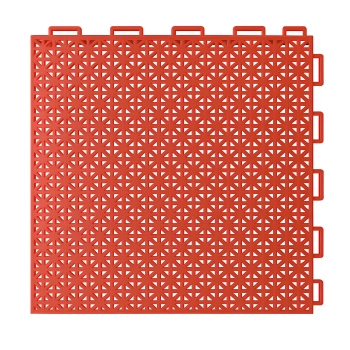
Sports flooring is the heart of every facility: it defines performance, protects athletes and directly affects the quality of the game. Whether it is a school gym, a multipurpose building or an outdoor field, the choice of the bottom is never random. You need a surface with the right balance between shock absorption, grip, elasticity and durability, capable of maintaining its characteristics constant over time and with sustainable maintenance. On this page you will find a complete guide to orient yourself between materials, regulations and specificities of the different disciplines: football, basketball, volleyball, hockey, tennis, badminton, table tennis and golf.
The approach we propose is pragmatic: we start from the performance required by the sport, the level of the athletes and the context of use (indoor/outdoor), to build the optimal solution. We evaluate parameters such as ball bounce, slipperiness, wear resistance and joint comfort, without neglecting compliance with technical standards and compatibility with radiant heating or drainage systems. This page is designed to accompany you in every decision, with practical advice and truly applicable selection criteria.
Discounts and Promotions
To support sports clubs, schools and administrations in the redevelopment of the facilities, we periodically reserve promotions on the supply and installation of certified surfaces. Currently, there are advantages on turnkey packages for basketball flooring and indoor volleyball flooring , as well as dedicated conditions for outdoor systems with a non-slip finish intended for tennis flooring and 5-a-side football flooring . Promotions include technical inspection, initial maintenance plan and, when required, color customization with field signage.
Team Sports Flooring
Team sports require versatile surfaces that are resistant to traction and torsion and have a stable coefficient of friction even during explosive actions. Heavy-duty sports flooring must combine effective shock absorption to reduce stress on the ankles and knees, with adequate springback to promote responsiveness. In multifunctional contexts, the ability to withstand point loads (telescopic grandstands, trolleys, equipment) and the ease of restoration after non-sporting events become determining factors.
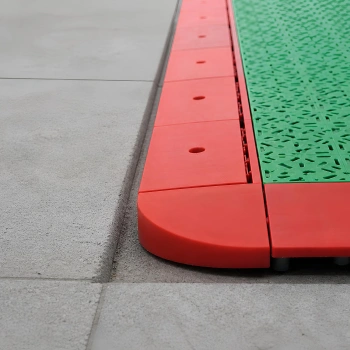
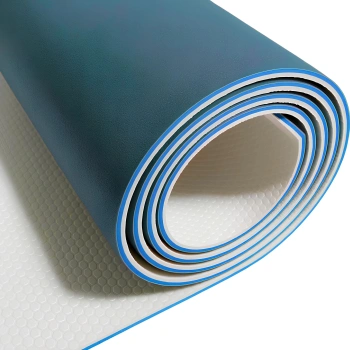
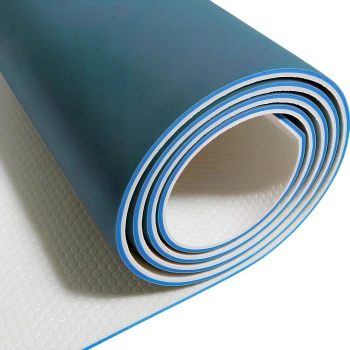
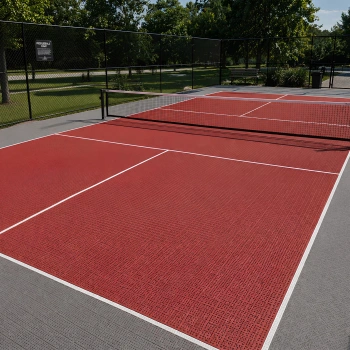
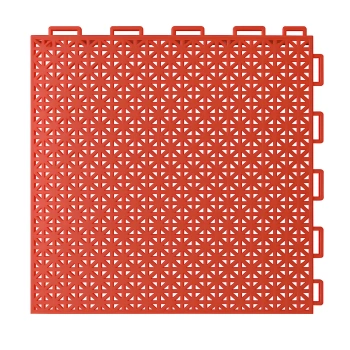
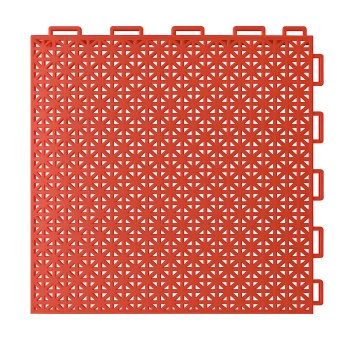
In terms of materials, indoors, preference is given to multilayer technical wood with an elastic underlay or homogeneous sports PVC with differentiated density foam; outdoor conditions, modular draining PP composites and EPDM rubber mats provide traction in variable weather conditions. The planning of the playing lines, lighting technology and sound absorption complete the project, ensuring professional and safe use.
Football Flooring
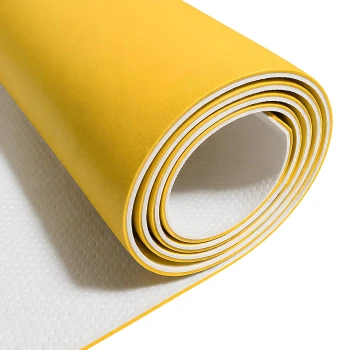
The football flooring (in particular for 5-a-side football and multi-purpose centres) favours surfaces that balance ball flow and control, avoiding excessive abrasiveness. For indoor courts, sports PVC with an embossed finish and a high-strength wear layer are used; For outdoor use, you can opt for the latest generation of synthetic turf or micro-perforated drainage modules, with a stabilized substrate to ensure flatness and water disposal. The right combination of infill and fiber height ensures predictable bounce and reduced micro-injuries from slipping.
In school and community projects, we recommend certified systems for shock absorption and vertical deformation, accompanied by light maintenance plans: periodic brushing, joint control and localized line shooting. In multi-purpose spaces, the chromatic customisation of the areas (penalty area, side band) increases readability and safety, without sacrificing durability over time.
Basketball Flooring
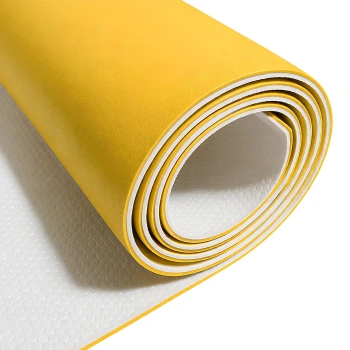
Basketball flooring is synonymous with precision: the bounce of the ball must be homogeneous over the entire surface and the controlled sliding must withstand stops, changes of direction and repeated jumps. The sports parquet systems with continuous elastic underlay remain a reference for comfort and elastic response; in multi-purpose gyms, PVC with stratified elastomeric foam ensures reliable performance and reduced downtime thanks to simplified maintenance.
Attention to field lines and surface finish is crucial: a topcoat with correct micro-texturing reduces slipperiness and reflections and preserves shine over time. In competitive contexts we offer systems with calibrated shock absorption and joint layout designed to minimize vibrations perceived by athletes, while maintaining high resistance to scratches and shoe marks.
Volleyball flooring
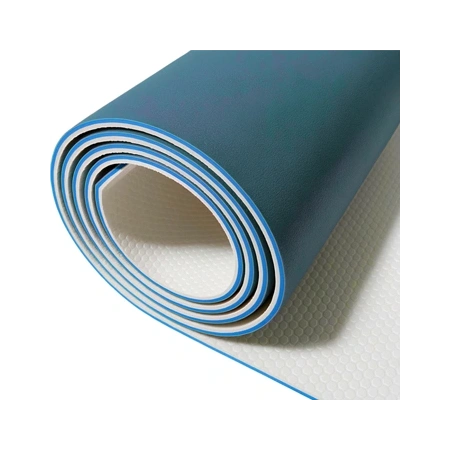
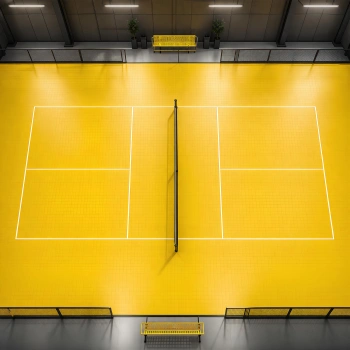
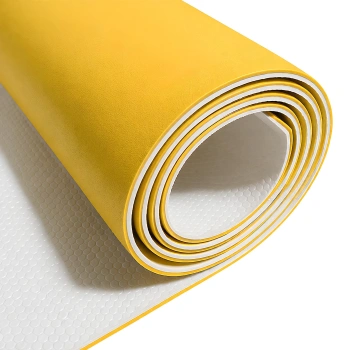
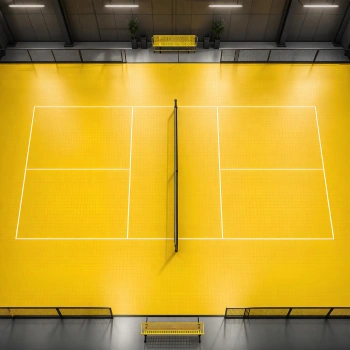
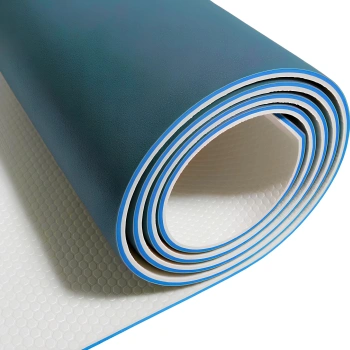
The volleyball flooring requires maximum elasticity and controlled grip to facilitate safe dives and slides, as well as a consistent bounce in the serving and defending phases. The most popular systems are sports PVCs with shock-absorbing foam and embossed closed-pore finish, which offer hygiene and ease of cleaning. In multi-purpose arenas, the combination of elastic layer and matte finish reduces glare and optimises the visibility of the ball.
For youth volleyball we give priority to a slipperiness index that protects against trauma on side falls and a vertical deformation that protects ankles and knees. The attack and reception lines are made of high-adhesion paints, resistant to the traffic of intensive training. When the space is shared with other sports, we prepare differentiated colors and maintenance plans that keep the micro-roughness of the topcoat constant.
Hockey Flooring
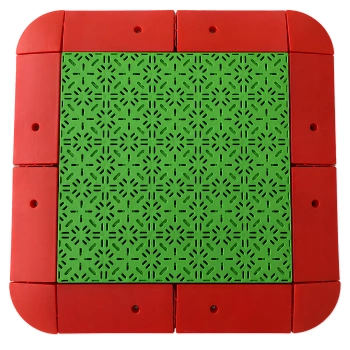
In hockey flooring (inline, indoor or on a multi-purpose rink) the smoothness of the puck or ball and the resistance to concentrated impacts of sticks and skates count. Compact high-density surfaces with calibrated coefficient of friction are adopted, often in polymeric modules with stable joints and anti-UV treatment for outdoor installations. The goal is to reduce vibrations and noise, ensuring smooth trajectories and protection from localized wear in the areas of greatest stress.
In multisport centers, reversibility is a plus: modular systems allow quick replacement of damaged panels, while maintaining flatness. Edges and perimeter protections are integrated into the design to improve safety and play-containment, while anti-scratch topcoats ensure longevity and lower maintenance costs.
Sports Flooring with Specific Field
Some disciplines require very defined characteristics of the playing field. In these cases, the choice of sports flooring is linked to the technique of the athletic gesture, the type of equipment used and the dynamics of the ball. Below we go into the merits of tennis, badminton, table tennis and golf, illustrating selection criteria and design tricks for dedicated courts or specialized areas.
Consistency between surface, air conditioning and lighting is key to ensuring repeatable performance. A correctly calibrated field gives the sportsman predictable feedback, improves the experience and reduces the risk of injury. For facilities open to the public, we carefully take care of signage, accessibility and cleaning plans that preserve grip and homogeneity over time.
Tennis flooring
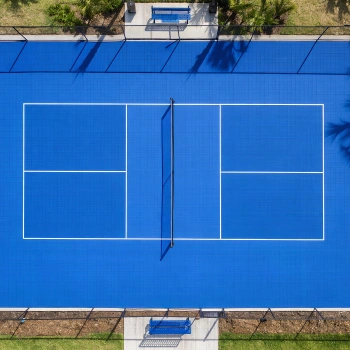
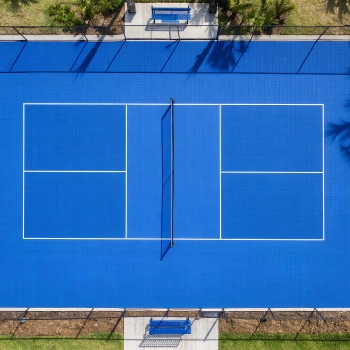
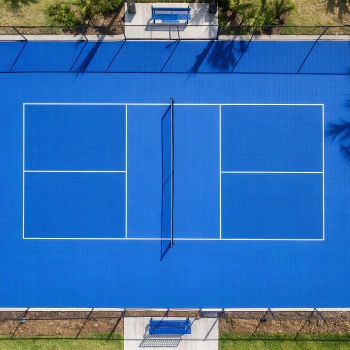
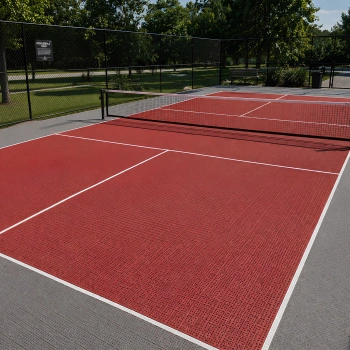
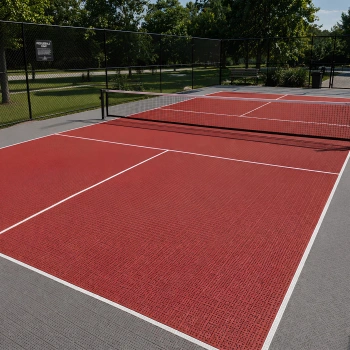
Tennis flooring is available in different families: high-speed surfaces in multilayer acrylic resin, elastomeric "cushion" systems for joint comfort, sandblasted synthetic turf and stabilized red clay. Each type changes the speed and height of the rebound, controlled sliding and wear of the footwear. In multi-purpose centers we prefer resins with a microgranular texture to ensure dry adhesion and improved drainage, maintaining UV-stable colors and integrated lines.
In humid climates, the draining substrate and regular slopes are crucial to avoid stagnation. Proper maintenance planning—low-pressure washing, periodic re-top coat—preserves color and performance uniformity. For tennis schools and clubs with intermediate competition, cushion systems offer a virtuous combination of impact reduction and a brilliant playing feel.
Badminton Flooring
Badminton flooring requires indoor surfaces with high grip and shock absorption, given the intense work of feet and ankles on small movements. The composite PVC sheets with high-resilience foam ensure grip and comfort, while the anti-reflective finish improves the visibility of the flywheel. The homogeneous coefficient of friction minimizes unexpected slips and makes braking and restarting safer.
For multi-purpose gyms, the semi-fixed installation allows removal and storage in case of events. Contrasting printed or painted lines ensure immediate reading of the field, reducing referee errors. In intensive settings, we recommend cleaning programs that maintain surface micro-roughness and annual topcoat restorations to extend the life of the system.
Ping Pong Flooring
The table tennis flooring favors non-slip indoor surfaces with moderate elasticity to promote quick and stable supports. Homogeneous PVC or rubber mats with a fine texture finish reduce fatigue and ensure control in lateral movements. The colour contrast between the floor, table and walls improves the perception of the ball, while the uniform lighting limits shadows and reflections.
In dedicated rooms, it is useful to provide shock-absorbing skirting boards and soft boundaries to increase safety. Maintenance is simple: regular cleaning with neutral products and periodic checks of the joints. In multi-purpose spaces, resistance to chairs and trolleys becomes a fundamental requirement to ensure durability without marks or surface incisions.
Golf Flooring
The golf flooring involves both indoor areas—practice putting greens—and outdoor spaces such as tee lines and training areas. The synthetic turf systems with differentiated batteries reproduce the roll and speed of the green with great fidelity; The smooth substrate and calibrated filling guarantee controlled slope and immediate drainage. For pedestrian paths and service areas, draining rubber surfaces reduce slipperiness and the need for maintenance.
In commercial facilities, customizing layouts with logos and integrated distances enhances the user experience. The combination of short putting fibers and higher chipping fibers creates realistic scenarios in small spaces. The correct design of the basic system—stabilization, compaction, slopes—makes the difference between a façade system and a truly performing area.
Advantages of Professional Sports Flooring
Investing in professional sports flooring means increasing athlete safety, reducing maintenance downtime and improving the overall gaming experience. Certified systems ensure repeatability of performance, protect joints and maintain grip and rebound within controlled ranges. In addition, modern finishes allow for easier cleaning management, with programmed regeneration cycles that extend the useful life of the system.
Image also counts: color-stable surfaces, sharp lines and integrated logos convey professionalism to users and sponsors. The result is an efficient facility, beautiful to look at and ready to host both daily activities and events, with a more predictable profitability in the medium term.
How to Choose the Right Sports Flooring
The choice starts from the real use: frequency, level of athletes, presence of schools or summer camps, any extra-sporting events. The requirements for shock absorption, friction, rebound and wear resistance are then defined, evaluating compatible materials and substrates. Indoors, attention to sound absorption and interaction with heating systems; Priority to drainage, UV resistance and expansion control. Clear technical specifications protect time, costs and final quality.
Our operational advice is to proceed with an inspection, verification of the dimensions and flatness tests, then define a work schedule that includes acclimatization of the materials, installation, line marking and functional testing. Preventative maintenance—proper cleaning, micro-resets, scheduled re-top coats—preserves performance and reduces unforeseen events. In the case of multifunctional centres, favouring versatile and modular systems simplifies daily use without sacrificing the quality of the sport practiced.
Frequently Asked Questions (FAQs)
What is the difference between indoor and outdoor flooring?
Indoor surfaces favor comfort and friction coefficient control, with materials such as technical parquet and sports PVC; outdoor models require dimensional stability, UV resistance and drainage capacity, often with polymer modules, draining rubber or artificial turf. The choice depends on climate, intensity of use and discipline practiced.
How long does a sports flooring last?
Lifespan varies depending on material, maintenance, and intensity of use: a well-designed system can exceed 10–15 years. Preventive maintenance programs—cleaning, joint checks, topcoat touch-ups—preserve consistent adhesion and rebound, significantly extending service life.
Is it possible to have a multipurpose flooring?
Yes. Many facilities adopt systems that balance different needs (e.g. basketball flooring and volleyball flooring in the same gym). In these cases, materials with shock and friction absorption in a range suitable for multiple disciplines, multi-color lines and finishes resistant to non-sporting events are chosen.


 Budgets
 Dumbers
 Discs
Discs
 Benches
 Racks and Rigs
 Weights Holders
 Isotonic machines
 Calisthenics
 Cardio
 Kettlebells
 Flooring
 Gym Set
 Accessories
 Combat
 ARTI MARZIALI
 CONTAINER GYM
 Tug-Of-War
 Used Gym Equipment
 PILATES MACCHINARI
 GINNASTICA ARTISTICA
 CAMPI DA PADEL
 Prodotti in Pronta Consegna
 Informazioni
 IRONMAN
 Gift Card