Benefits of calisthenics parallel bars for functional training
Calisthenics rigs are key allies for effective, complete workouts. They let you train several muscle groups at the same time, in complete safety.
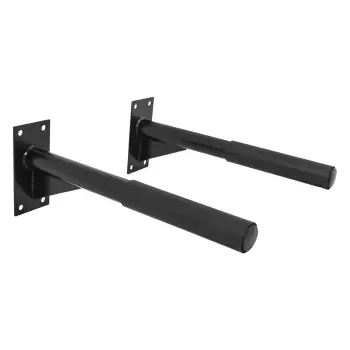
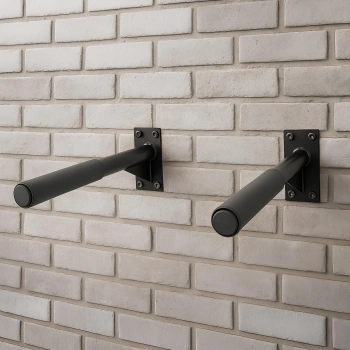
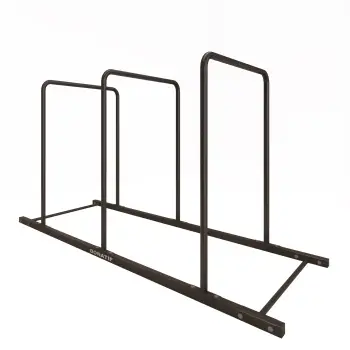
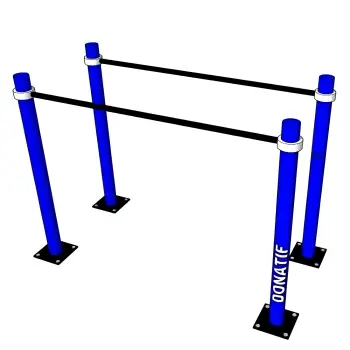
Among the most popular options, the calisthenics parallel bars stand out. They are extremely versatile pieces of equipment, suitable both for bodyweight training and for targeted exercises such as dips for triceps, shoulders and chest.
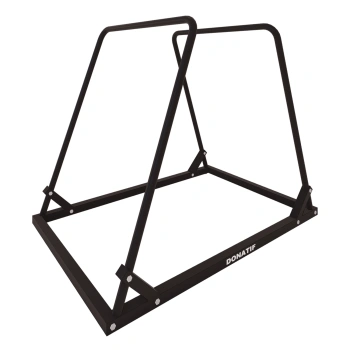
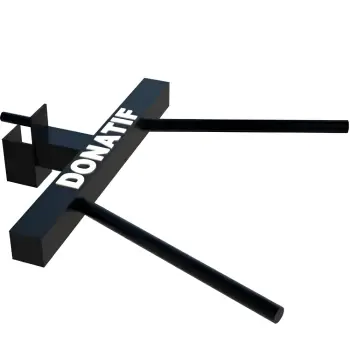
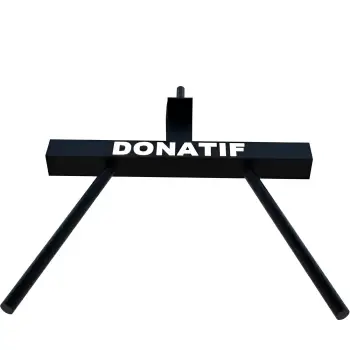
The models available today, however, are not all the same. Dip bars, first of all, allow focused training thanks to a stable, compact structure, ideal for every level of preparation, from beginner to advanced athlete.
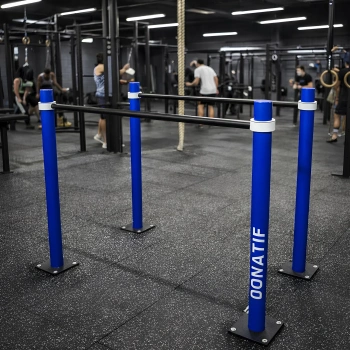
Parallel bars, on the other hand, are an excellent choice for anyone who wants to improve balance and coordination, thanks to the possibility of performing wide, controlled movements. Built to be sturdy and reliable, they are also essential in a professional gym, for a complete and safe workout.
With Donatif, you can choose from dozens of options, always sure you can count on durable, certified, top-quality equipment.
Bodyweight training with parallel bars for calisthenics
Bodyweight training with parallel bars for calisthenics is an effective way to build strength, endurance and balance using only your own body weight. With these versatile structures, every exercise can be adapted to the athlete's level.
Perfect for complete, intense workouts, parallel bars are an indispensable training tool both for calisthenics practitioners and for fitness enthusiasts in general. Bodyweight training also improves movement awareness and helps you reach an optimal physical condition.
Low parallel bars: ideal for beginners and advanced athletes
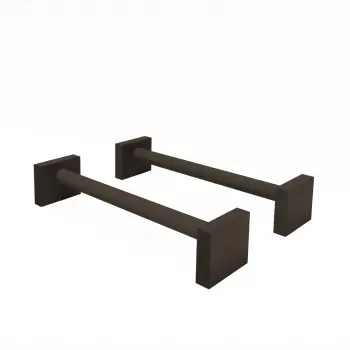
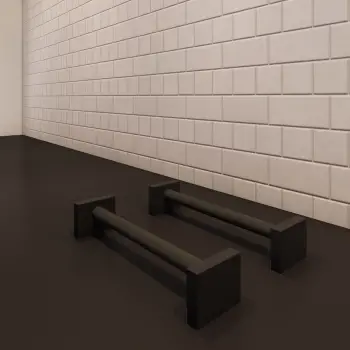
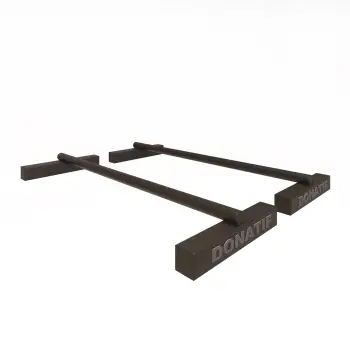
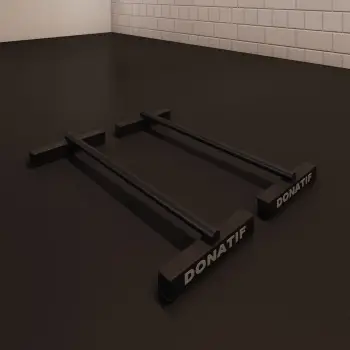
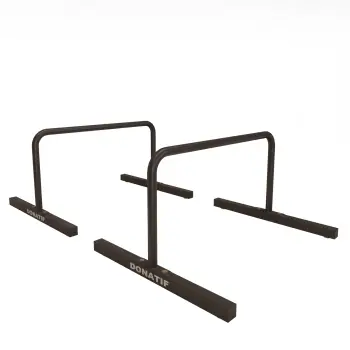
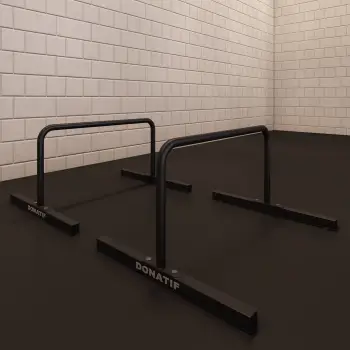
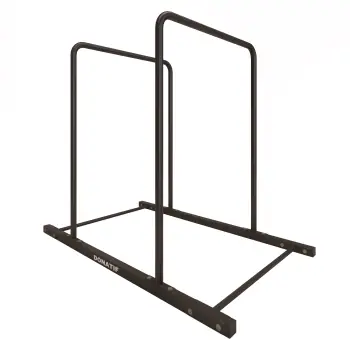
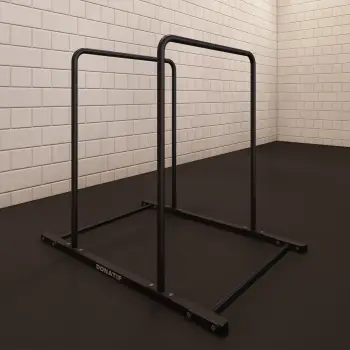
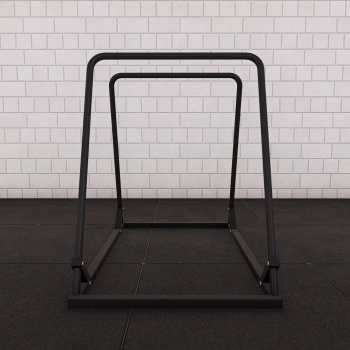
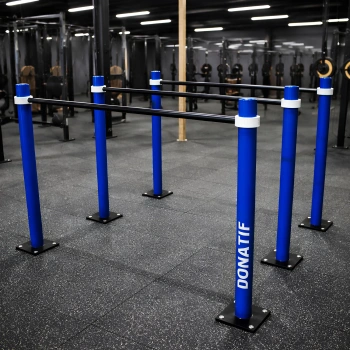
Low parallel bars are the perfect piece of equipment for anyone who wants to get started with calisthenics or consolidate their bodyweight training skills.
Thanks to their compact size, they are particularly well suited to basic exercises such as push-ups, which build strength and stability in a gradual, controlled way.
Even the most advanced athletes, however, can find in low parallel bars valuable support for complex exercises such as the tuck planche or the L-sit, which require greater control and endurance. In any case, they are a versatile and practical solution for everyday training.
Why choose high parallel bars for your training?
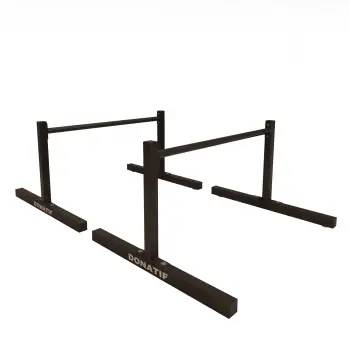
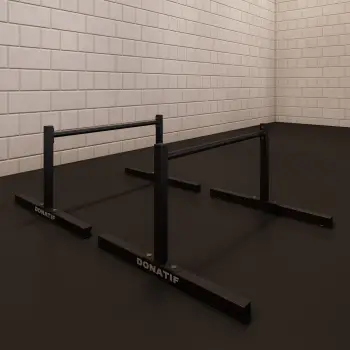
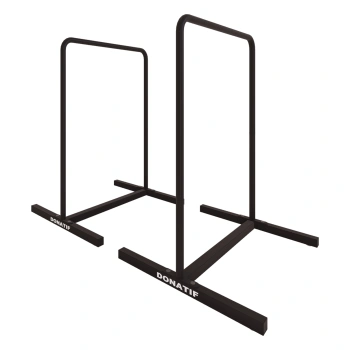
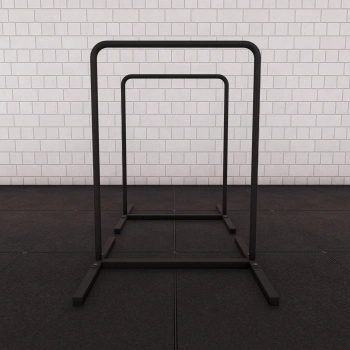
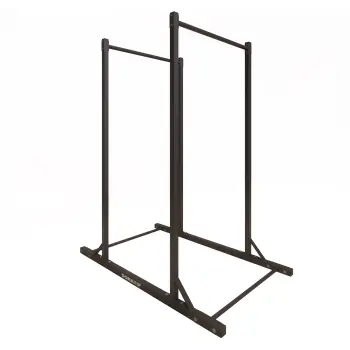
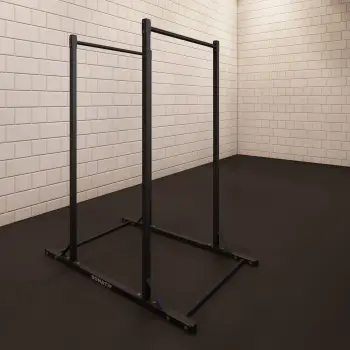
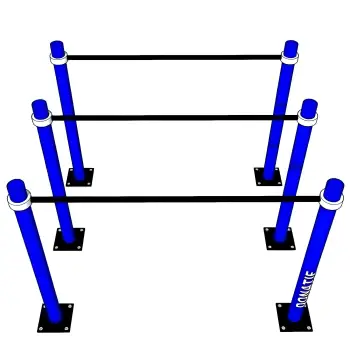
High parallel bars are the ideal option when the goal is to boost muscular strength and endurance through more complex exercises.
They stand out for their greater height off the ground, a feature that allows you to perform more movements, such as full dips, vertical push-ups and various isometric exercises.
High parallel bars are particularly popular both for calisthenics and for functional fitness, as they let you train arms, shoulders, back and core intensively.
Thanks to their stability, they are perfect for anyone who wants to perform wide, controlled movements, gradually increasing the difficulty and reaching an advanced level of strength and coordination.
Freestanding parallel bars for calisthenics: main features
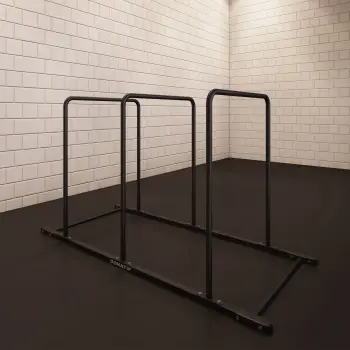
Freestanding parallel bars are more versatile and practical, because they let you train without the need for fixed anchoring. These structures are designed to provide maximum stability while performing exercises, even complex movements.
Easy to position and move, freestanding parallel bars adapt to any training space, from the most compact home gyms to professional gyms. Their sturdiness ensures safety and durability, even during intense workouts.
Calisthenics parallel bars online at Donatif.com
Buying calisthenics parallel bars online at Donatif.com means choosing high-quality equipment, built to deliver excellent performance and durability. Our selection includes models for every training need, from beginner to advanced athlete, with customisable options and fast shipping.
Every product in our range is designed to support the improvement of your performance.
What to know about calisthenics parallel bars
What muscles do parallel bars train?
Parallel bars mainly train the chest, triceps, shoulders and core. Exercises such as dips and planche are effective for building upper-body strength and stability.
How wide are parallel bars?
Parallel bars are generally between 50 and 60 cm wide, an ideal distance for a comfortable, secure grip during exercises.
How high are parallel bars?
Parallel bars are usually between 100 and 130 cm high, allowing full, safe movements during training, even for exercises such as dips and vertical support.
What are parallel bars used for?
Parallel bars are used for strength exercises that involve the upper-body muscles, such as dips, L-sits and planche. They are ideal for improving stability, control and muscular endurance.
What are low parallel bars used for?
Low parallel bars are used for low-impact exercises such as push-ups, dips and plank variations. They are used to improve core and upper-body strength, offering stability and safety.


 Budgets
 Dumbers
 Discs
 Benches
 Racks and Rigs
 Weights Holders
 Isotonic machines
 Calisthenics
 Cardio
 Kettlebells
 Flooring
 Gym Set
 Accessories
 Combat
 ARTI MARZIALI
 CONTAINER GYM
 Tug-Of-War
 Used Gym Equipment
 PILATES MACCHINARI
 GINNASTICA ARTISTICA
 CAMPI DA PADEL
 Prodotti in Pronta Consegna
 Informazioni
 IRONMAN
 Gift Card