
Trolley
You have no items in your shopping cart

 Budgets
 Dumbers
 Discs
Discs
 Benches
 Racks and Rigs
 Weights Holders
 Isotonic machines
 Calisthenics
 Cardio
 Kettlebells
 Flooring
 Gym Set
 Accessories
 Combat
 ARTI MARZIALI
 CONTAINER GYM
 Tug-Of-War
 Used Gym Equipment
 PILATES MACCHINARI
 GINNASTICA ARTISTICA
 CAMPI DA PADEL
 Prodotti in Pronta Consegna
 Informazioni
 IRONMAN
 Gift Card
- Donatif
- Training and exercises
- 0 I like it
- 4463 Views
- 0 comments
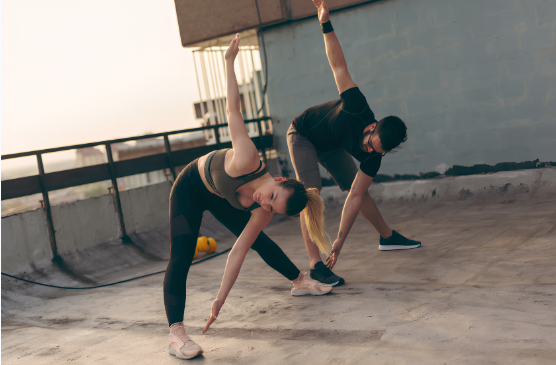
READING TIME: 7 MINUTES ➤➤
Dynamic Stretching: Why You Should Include It in Your Routine
Properly preparing for physical activity is essential to achieve optimal performance, prevent injuries, and improve movement quality. In this context, dynamic stretching represents one of the most effective and modern techniques for warming up the body before physical effort. Unlike traditional static stretching, dynamic stretching is based on controlled and progressive movements that mirror the athletic gestures that will later be performed during training. It is an active and engaging approach, suitable both for experienced athletes and for those approaching the fitness world for the first time.
In this article, we will explore in detail what makes dynamic stretching so important, how to integrate it into your routine, and which practical exercises can improve your dynamic mobility. You will discover that preparing the body for movement through fluid and specific exercises is not just a good habit, but a true physical preparation strategy aligned with modern training methods.
- What dynamic stretching is and how it differs
- The benefits of an active warm-up
- Dynamic mobility: moving better before training
- Dynamic stretching routine for all levels
- When and how to integrate dynamic stretching
What Is Dynamic Stretching and How It Differs
Definition and Principles of Dynamic Stretching
Dynamic stretching is an active stretching method consisting of controlled and rhythmic movements designed to bring the joints through their full range of motion without static force. Unlike traditional techniques, which involve holding a position for an extended time, this type of stretching simulates the movements of the upcoming workout, making it an excellent tool for functional physical preparation.
Each dynamic exercise is designed to engage specific muscle groups sequentially, gradually increasing body temperature and blood flow. This improves neuromuscular responsiveness and prepares the body more realistically for the demands that follow. It is a method particularly appreciated in sports settings because of its ability to combine warm-up, mobility, and activation into a single phase.
Static vs Dynamic Stretching: Differences and Benefits
The main difference between static and dynamic stretching lies in the nature of movement. Static stretching focuses on positions held for long periods to passively lengthen the muscles, often while the body is still cold, with the risk of temporarily reducing muscular power. Dynamic stretching, on the other hand, uses fluid and progressive movements that actively engage the muscles, improve coordination, and stimulate the central nervous system.
Among the benefits of dynamic stretching are improved athletic performance, greater joint mobility, and a reduced risk of strains or muscle tightness. In addition, it is a far more engaging and motivating method, perfectly aligned with modern approaches to functional and sports training.
The Benefits of an Active Warm-Up
Muscle Activation and Improved Performance
An active warm-up is not merely a preparatory phase, but a true performance catalyst. Dynamic exercises stimulate the major muscle groups, promote core activation, and improve neuromuscular response. In practice, they “switch on” the body, making it reactive and ready to handle more intense workloads with greater efficiency.
This activation reduces reaction time, increases explosive strength, and improves accuracy during complex movements. It is no coincidence that professional athletes and elite sports teams always include a dynamic stretching session before every competition.
Injury Prevention and Mobility Support
A prepared body gets injured less often. Dynamic stretching helps reduce muscular stiffness and make the joints more elastic, two key elements in injury prevention. Each movement stimulates joint lubrication and progressively strengthens ligaments, preventing sudden muscular shocks and strains.
In addition, the increase in dynamic mobility achieved through this type of stretching also provides long-term benefits: it improves posture, supports body alignment, and helps maintain an optimal range of motion throughout an active life.
Dynamic Mobility: Moving Better Before Training
How Dynamic Mobility Works
Dynamic mobility is based on exercises that improve joint range of motion through functional movements performed in a fluid and progressive way. It is not just about flexibility: the concept goes further and includes the ability to control movement throughout the entire joint range. This is an essential component for every athlete, but also for anyone engaging in physical activity to stay healthy.
The goal is to create synergy between muscles and joints, optimizing movement quality and preventing stiffness that could compromise performance. Every routine should be specifically tailored to the type of activity being performed, with exercises focused on the most involved areas.
Key Areas: Hips, Shoulders, and Spine
The areas that benefit most from dynamic stretching are the hips, shoulders, and spine. These are the zones most prone to movement limitations due to sedentary lifestyles or poor posture. Exercises such as leg swings, torso rotations, and arm circles help “open” these joints, making them more mobile and reactive.
Working on these areas with targeted dynamic mobility exercises leads to tangible improvements in fluidity, coordination, and the prevention of muscular discomfort. A flexible spine, for example, reduces stress on the lower back during weightlifting exercises or intense cardio sessions.
Dynamic Stretching Routine for All Levels
Example Routine for Beginners
A basic dynamic stretching routine for beginners should focus on simple, low-impact exercises that are still effective for activating the entire body. Sequences such as front and lateral leg swings, arm rotations, hip circles, and bodyweight squats are excellent starting points. The objective is to awaken the body, increase temperature, and stimulate the nervous system.
This phase should last at least 8–10 minutes and requires no special equipment. The simplicity of the exercises does not reduce their effectiveness — in fact, it helps build a solid movement foundation, reducing injury risk and making the subsequent workout smoother and more efficient.
Adaptations for Advanced Athletes
Those with previous fitness experience can adopt a more advanced dynamic routine, including ballistic movements, controlled plyometric exercises, and sport-specific actions. Lunges with rotation, skipping drills, bouncing leg swings, dynamic planks, and moving hip-opening exercises are just a few examples.
The key for advanced individuals is making the warm-up not only effective, but also functional to the actual workout. Every exercise should reflect the dynamics of the upcoming session, creating continuity between warm-up and performance. This approach is especially useful for athletes, crossfitters, runners, and practitioners of technical sports disciplines.
When and How to Integrate Dynamic Stretching
Before a Strength or Cardio Session
The best time to perform dynamic stretching is at the beginning of a workout, immediately after a few minutes of light cardio activity. At this stage, the body is still “cold” and needs to be prepared gradually and actively. This type of warm-up is ideal both for strength sessions, because it enhances muscle activation, and for cardio workouts, thanks to its effect on the cardiovascular and respiratory systems.
A well-structured protocol improves movement quality and body awareness in space, optimizing efficiency and reducing fatigue. It is also an effective strategy to approach training with greater focus and motivation.
In Daily Life and Sedentary Jobs
Dynamic stretching is not only useful in sports settings. Integrating active movement into daily life is an excellent way to counteract the negative effects of a sedentary lifestyle, especially for people who spend many hours sitting. Short sessions in the morning or during work breaks can help reactivate circulation, improve posture, and reduce muscular tension.
Even outside the gym, this type of dynamic mobility represents an investment in personal health. Just a few minutes a day are enough to increase energy, prevent musculoskeletal discomfort, and make the body more ready for movement in every situation.
Comments (0)