
Trolley
You have no items in your shopping cart

 Budgets
 Dumbers
 Discs
Discs
 Benches
 Racks and Rigs
 Weights Holders
 Isotonic machines
 Calisthenics
 Cardio
 Kettlebells
 Flooring
 Gym Set
 Accessories
 Combat
 ARTI MARZIALI
 CONTAINER GYM
 Tug-Of-War
 Used Gym Equipment
 PILATES MACCHINARI
 GINNASTICA ARTISTICA
 CAMPI DA PADEL
 Prodotti in Pronta Consegna
 Informazioni
 IRONMAN
 Gift Card
- Donatif
- Training and exercises
- 0 I like it
- 2019 Views
- 0 comments
READING TIME: 5 MINUTES ➤➤
Neck and Shoulder Exercises for Adults Over 60: How to Relieve Cervical Stiffness
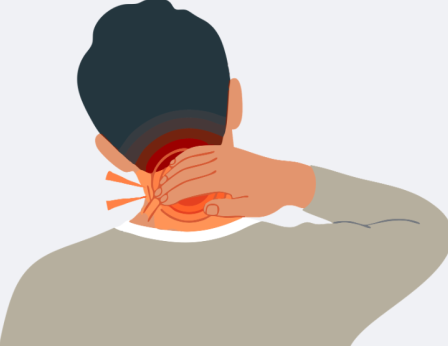
After the age of 60, it is common to experience increasing stiffness in the cervical area, often accompanied by shoulder pain and difficulty performing everyday movements. This article offers a practical and gentle guide to improving mobility and achieving real, long-lasting relief through simple exercises, breathing techniques, and greater body awareness.
If you feel that your neck is stiffer every morning, it may be time to adopt a routine tailored to your age, your pace, and your body. The exercises presented here are designed to support you gently, respecting your capabilities while promoting a gradual improvement in joint mobility.
- Why the cervical area becomes stiffer after 60
- How to recognize signs of cervical tension and stiff shoulders
- Daily exercises to loosen the neck
- Gentle activation and shoulder mobility
- Complete routine for a more flexible neck every morning
- Mistakes to avoid and best practices
Why the Cervical Area Becomes Stiffer After 60
Physiological Changes in the Neck During Later Life
As we age, the structures that make up the neck—muscles, ligaments, and intervertebral discs—undergo a natural physiological degeneration process. This leads to reduced muscular elasticity, loss of hydration in the discs, and an overall increase in joint stiffness. The cervical region is particularly affected by poor postures maintained for long periods, such as reading or watching television.
Reduced mobility is not solely a mechanical issue; it is often accompanied by slower circulation and a reduced oxygen supply to the tissues. Together, these factors contribute to the familiar sensation of a stiff neck upon waking or when changing positions, a common experience among adults over 60.
Effects on Posture and Everyday Mobility
A stiff neck can trigger a chain reaction throughout the body. Posture changes to compensate for discomfort: the shoulders tend to round forward, the head shifts slightly forward, and the upper back muscles are subjected to abnormal stress. This can create tension in areas that may seem unrelated, such as the lower back or even the wrists.
Over time, ignoring these signs can result in limitations in daily life: difficulty looking behind you, discomfort while driving, or pain when getting dressed or washing your hair. For this reason, it is important to take action as soon as the first signs appear by incorporating targeted and consistent exercises.
How to Recognize Signs of Cervical Tension and Stiff Shoulders
Stiffness, Pain, and Loss of Mobility
Typical signs of cervical discomfort include difficulty moving the neck, such as turning the head, bending it sideways, or tilting it forward. These movements are often accompanied by varying levels of pain that may remain localized or spread to the shoulders and shoulder blades.
Another common symptom is the feeling of a “heavy head”, caused by muscular tension that accumulates overnight or throughout the day. In more pronounced cases, mild dizziness, tension headaches, and a feeling of instability may also occur.
When to Start Targeted Exercises
The right time to begin is not when the pain becomes unbearable, but as soon as you notice a change in the smoothness of your movements. A daily routine can act as both prevention and treatment by keeping the muscles active and improving joint lubrication.
Gentle and controlled exercises are ideal for adults over 60 because they improve mobility without excessive strain while encouraging relaxation and body awareness. Consistency matters more than intensity—just a few minutes each day can deliver meaningful benefits.
Daily Exercises to Loosen the Neck
Slow Rotation and Flexion Movements
The first rule of cervical exercises for adults over 60 is controlled slowness. Begin with gentle head rotations from right to left, keeping your chin parallel to the floor. Perform each rotation slowly, without forcing the movement, and listen to your body's signals. Just five rotations per side are enough to stimulate joint mobility and improve flexibility.
Continue with forward and backward flexion exercises: slowly lower your chin toward your chest, return to a neutral position, and then gently tilt your head backward. These movements help release deep tension at the base of the skull and promote better blood circulation.
Breathing Techniques to Enhance Relaxation
Incorporating breathing into your exercises is essential. Inhale deeply through your nose while preparing for the movement and exhale slowly through your mouth as you perform the stretch. This encourages muscular relaxation and enhances the benefits of gentle physical activity.
Mindful diaphragmatic breathing can reduce perceived tension and improve movement quality. Just a few minutes of coordinated breathing combined with simple exercises can provide immediate relief and a greater sense of lightness in the cervical area.
Gentle Activation and Shoulder Mobility
Shoulder Raises and Circles Without Weights
The shoulders are often involved in cervical discomfort, which is why it is useful to perform exercises that improve their mobility without overloading them. Start with simple shoulder raises, lifting the shoulders toward the ears and then lowering them slowly, paying attention to the movement and releasing accumulated tension.
Continue with shoulder circles: move the shoulders forward, upward, backward, and then downward, drawing large circles with smooth, controlled motions. This exercise stimulates the shoulder joint and promotes a more open and aligned posture, particularly beneficial in later life.
Exercises Performed Sitting or Standing
You do not need a large space or even to stand up to perform these exercises. They can be done comfortably while sitting on a chair with a straight back. In this position, you can practice shoulder depressions, chest-opening movements, and small neck motions synchronized with your breathing.
Those who prefer may perform the same exercises while standing, keeping the knees slightly bent to reduce strain on the lower back. The key is to maintain proper spinal alignment and listen to your body's signals without forcing any movement.
Complete Routine for a More Flexible Neck Every Morning
How to Structure an Effective 10-Minute Sequence
A good morning routine for the cervical area can begin with two minutes of mindful breathing, followed by four minutes of slow neck rotations and flexion exercises. Then spend three minutes on shoulder mobility through raises and circles. The final minute can be dedicated to relaxing the entire body, either sitting or standing, while breathing deeply and calmly.
This complete sequence requires no equipment and can be performed every morning upon waking, when stiffness is often at its peak. The goal is not performance but daily comfort and a greater sense of freedom of movement throughout the day.
Tips for Consistency and Listening to Your Body
The key to lasting results is consistency. There is no need to increase the intensity of the exercises; instead, focus on maintaining a sustainable and enjoyable routine that becomes part of your morning habits. Choosing a specific time of day and a quiet environment free from distractions can be helpful.
Listening to your body is essential. Every day is different, and what felt easy yesterday may feel more challenging today. There is nothing wrong with reducing the range of motion or stopping if you experience pain. The body should be respected and supported gently, especially in later life.
Mistakes to Avoid and Best Practices
Movements to Avoid When You Have Pain
If you experience pain in the cervical area or shoulders, it is important to avoid sudden or forceful movements. Rapid head turns, excessive neck extension, or holding static positions for too long can worsen the condition. Exercises should always be performed calmly and within your comfortable range of motion, without trying to push beyond your limits.
Another common mistake is copying exercises seen online without proper guidance. Even a simple movement can become risky if performed incorrectly. For this reason, it is advisable to follow clear and professional instructions, preferably adapted to your age and physical condition.
When to Consult a Specialist
If, after a few weeks of regular exercise, you notice no improvement, or if the pain worsens or spreads into your arms, it is advisable to consult a physiotherapist or medical specialist. A personalized recovery plan or further assessments may be needed to rule out more complex conditions.
It is always good practice to combine gentle physical activity with periodic medical checkups. This allows you to monitor progress, prevent deterioration, and adapt your exercise routine to your body's actual needs.
Comments (0)