
Trolley
You have no items in your shopping cart

 Budgets
 Dumbers
 Discs
Discs
 Benches
 Racks and Rigs
 Weights Holders
 Isotonic machines
 Calisthenics
 Cardio
 Kettlebells
 Flooring
 Gym Set
 Accessories
 Combat
 ARTI MARZIALI
 CONTAINER GYM
 Tug-Of-War
 Used Gym Equipment
 PILATES MACCHINARI
 GINNASTICA ARTISTICA
 CAMPI DA PADEL
 Prodotti in Pronta Consegna
 Informazioni
 IRONMAN
 Gift Card
- Donatif
- Training and exercises
- 0 I like it
- 3203 Views
- 0 comments
READING TIME: 7 MINUTES ➤➤
Back pain and sedentary lifestyle: 5 Pilates exercises to restore balance
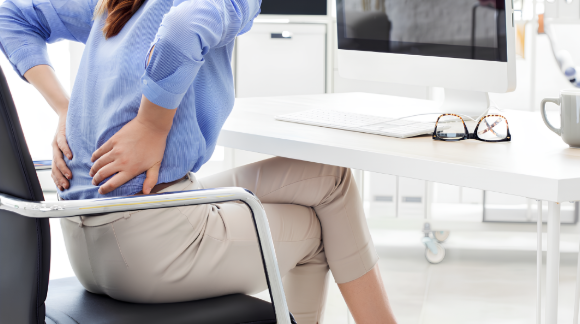
Spending many hours sitting in front of a screen is no longer an exception, but the daily reality for millions of professionals. Back pain and muscle stiffness have become silent companions of working days, often ignored until they become debilitating. However, through small daily actions, it is possible to reverse this trend. Pilates, with its controlled movements and deep focus on posture, proves to be a powerful tool to regain lost balance.
In this article you will discover how a sedentary lifestyle affects back health, what the most common causes of pain are, and above all how to easily integrate 5 Pilates exercises into your daily routine—even if you work at a desk. Change does not require a revolution: it simply requires a beginning.
- Why a sedentary lifestyle harms us
- Understanding back pain: causes and warning signs not to ignore
- Pilates: an effective ally against pain and stiffness
- 5 Pilates exercises to restore balance and well-being
- Small actions, big changes: create your new routine
Why a sedentary lifestyle harms us
The postural effects of desk work
Prolonged sitting, especially when maintained for several hours a day, causes significant postural alterations. The shoulders tend to round forward, neck muscles become stiff, and the lower back experiences constant pressure. Over time, these micro-habits generate structural imbalances that the body tries to compensate for, often through pain or fatigue. Working at a computer without breaks or movement can become a trap for our physical well-being, undermining both quality of life and productivity.
How sedentary habits affect the spine
The spine is designed to move and support the body in activity, not to remain static. When movement is lacking, the intervertebral discs do not receive adequate nourishment, leading to stiffness and an increased risk of inflammation. In addition, weakness in the core—the abdominal and lumbar muscles—further aggravates the situation. A sedentary lifestyle negatively affects blood circulation and tissue oxygenation, creating an environment where chronic pain and tension can develop more easily.
Understanding back pain: causes and warning signs not to ignore
Lower back pain and chronic tension
Lower back pain is among the leading causes of work absence and medical consultations. It often begins as mild discomfort in the lower back that gradually worsens over time. The main cause is lack of movement, which leads to the weakening of certain muscles and the compensatory overuse of others. Initially tolerable, the pain can become chronic, affecting sleep quality, mood, and the ability to concentrate. Recognizing these signals early is essential to prevent them from becoming debilitating.
When back pain becomes a limit in daily life
Difficulty bending down, sharp pain during simple movements, or avoiding certain actions out of fear of discomfort—when back pain begins to limit everyday activities, it is time to take action. Many people seek relief through medication or temporary solutions without addressing the root cause. Often, the most effective solution is a gentle and consistent re-education of the body, capable of reactivating postural muscles and restoring lost mobility. This is where Pilates becomes particularly valuable.
Pilates: an effective ally against pain and stiffness
What Pilates is and why it works for the back
Pilates is a discipline that combines slow, controlled movements with deep breathing and body awareness. Originally developed as a rehabilitation method, it is particularly suitable for people suffering from postural pain or leading sedentary lives. Unlike other forms of physical training, Pilates does not rely on brute strength but on stability, balance, and alignment. The exercises strengthen the core, improve flexibility, and release tension accumulated along the spine.
Benefits of Pilates for desk workers
For those who spend hours at a desk, Pilates offers a practical opportunity for prevention and recovery. Its exercises can easily be adapted to small spaces, using nothing more than a chair or a mat. In a short time, practitioners often notice a reduction in neck tension, greater mobility in the lower back, and a general feeling of lightness. In addition, Pilates helps develop better awareness of posture throughout the day, encouraging healthier movement patterns even outside of exercise sessions.
5 Pilates exercises to restore balance and well-being
Core strengthening to support the spine
A strong core is essential for maintaining spinal stability and preventing overload. One recommended exercise is the classic “Hundred,” which can also be performed in a simplified version. Lying on your back with knees bent and feet on the floor, lift the shoulders while activating the abdominal muscles and keep the arms raised while performing small rhythmic movements. This exercise deeply activates the abdominal muscles, improving trunk support in everyday activities.
Targeted stretching for the lower back and upper back
Tension accumulated in the lower back can find relief through controlled stretching exercises. One of the most effective is the “Child’s Pose” (Balasana), which helps lengthen the lower back and relax the entire posterior chain. The “Cat-Cow” movement, performed on all fours, also gently mobilizes the spine, improving vertebral movement awareness and reducing stiffness after long hours of sitting.
Joint mobility to counter stiffness
Lack of movement reduces joint fluidity, affecting even the simplest movements. Exercises such as the “Roll Down,” which begin from a standing position and involve slowly rolling the spine downward, help stimulate mobility in the vertebral segments. It is a simple but very effective movement for improving awareness of posture and releasing potential blocks.
Breathing and muscular relaxation
Breathing is at the heart of the Pilates method. Learning to breathe deeply by activating the diaphragm and the transverse abdominal muscles has a direct impact on muscular relaxation and overall well-being. Conscious breathing exercises performed while lying on the back with hands resting on the abdomen help reduce stress, release internal tension, and rebuild a positive connection with the body—something often neglected in sedentary lifestyles.
A short routine to do daily at your desk
Integrating a mini Pilates routine at your desk is both possible and surprisingly effective. Just a few minutes are enough to perform gentle torso twists, controlled seated leg lifts, and diaphragmatic breathing exercises. These movements help keep the deep muscles active even during working hours, reducing the feeling of heaviness and improving posture over time. The key is consistency, not intensity.
Small actions, big changes: create your new routine
Strategies to integrate movement into your day
The key to well-being is not drastic change but consistency in small daily actions. Set reminders to stand up every hour, use breaks to perform a few exercises, or consider an active seating option such as a fitness ball. Every moment can become an opportunity to move your body, break static habits, and restore balance to your working day. Even just 10 minutes of targeted exercises per day can radically transform the way you experience your workspace.
Comfort and well-being without changing your job
You do not need to change professions to feel better in your body. The secret lies in finding effective tools that allow you to meet the demands of work without sacrificing health. Pilates is one of these tools: accessible, adaptable, and deeply transformative. With a mindful approach, you can transform a sedentary routine into a daily path toward well-being, improving not only your body but also your overall quality of life.
Comments (0)