
Trolley
You have no items in your shopping cart

 Budgets
 Dumbers
 Discs
Discs
 Benches
 Racks and Rigs
 Weights Holders
 Isotonic machines
 Calisthenics
 Cardio
 Kettlebells
 Flooring
 Gym Set
 Accessories
 Combat
 ARTI MARZIALI
 CONTAINER GYM
 Tug-Of-War
 Used Gym Equipment
 PILATES MACCHINARI
 GINNASTICA ARTISTICA
 CAMPI DA PADEL
 Prodotti in Pronta Consegna
 Informazioni
 IRONMAN
 Gift Card
- Donatif
- Training and exercises
- 0 I like it
- 2892 Views
- 0 comments
READING TIME: 8 MINUTES ➤➤
Exercises to Improve Daily Posture
Spending many hours in front of a screen, sitting at a desk, or maintaining an unbalanced position for long periods can seriously affect our posture. Over time, this imbalance leads to muscle tension, fatigue, and chronic pain that impact quality of life. Fortunately, it is possible to improve posture with simple corrective exercises that can also be performed at home or during short work breaks. With just a few minutes a day, the body can be realigned, tension reduced, and a noticeable sense of physical well-being restored.
- Why posture is so important in everyday life
- How to improve posture with simple exercises
- Joint mobility: the role of shoulders and neck
- Practical tips for maintaining good posture every day
Why Posture Is So Important in Everyday Life
Effects of Poor Posture on Health
Poor posture is not just an aesthetic issue: it has real effects on our health. When the body is not properly aligned, some muscles work excessively while others become weak. This imbalance can lead to neck pain, lower back pain, and shoulder tension, as well as digestive and breathing problems. In addition, poor posture negatively affects mood and concentration, making it more difficult to face daily activities with energy and mental clarity.
Sedentary Work and Posture: An Underestimated Connection
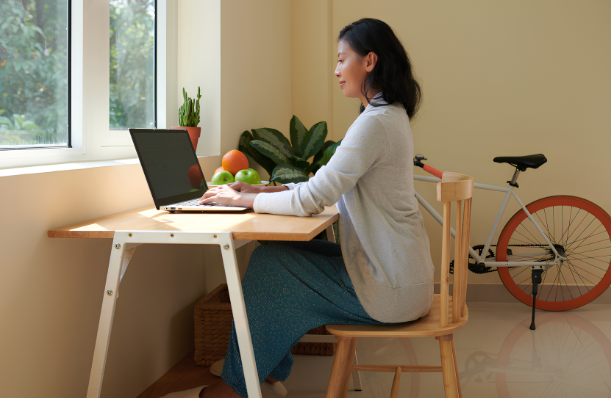
People who work many hours at a computer often neglect their posture, unconsciously adopting positions that encourage a rounded back and contracted neck muscles. The consequences appear gradually but persistently: muscle fatigue, joint stiffness, and reduced productivity. It is therefore essential to recognize the signs of poor posture and adopt preventive strategies, such as short stretching exercises or ergonomic adjustments to the work environment.
How to Improve Posture with Simple Exercises
Basic Principles of Postural Exercises
Postural exercises aim to restore proper muscular balance by stimulating the deep muscles that support the spine. These are slow, controlled movements, often inspired by techniques such as Pilates, yoga, or corrective gymnastics. The key is consistency: just 5–10 minutes a day can lead to significant improvements, as long as the exercises are performed with attention and awareness.
Daily Exercises for Spinal Alignment
Some particularly effective exercises include pelvic tilts, spinal roll-downs, quadruped stretching, and deep abdominal isometric contractions. These movements help to relax the lower back, strengthen the core, and reactivate the scapular muscles. Breathing is also important: inhaling deeply and exhaling during stretching promotes the release of tension.
Activities to Avoid That Worsen Posture
Many everyday behaviors unknowingly sabotage posture. Sitting with crossed legs, using pillows that are too high while sleeping, or spending too much time looking downward at smartphones or tablets are all factors that create imbalances. It is important to be aware of these harmful habits and replace them with healthier alternatives, such as active breaks or frequent position changes.
Joint Mobility: The Role of Shoulders and Neck
Why the Shoulders Influence Posture
Stiff and tense shoulders are one of the main causes of rounded posture and neck pain. This happens because the chest and scapular muscles play a crucial role in maintaining the body’s vertical alignment. When the shoulders are rounded forward or raised, the back tends to curve and the neck compensates with an incorrect position. Working on this area is therefore essential for overall postural well-being.
Targeted Exercises to Improve Shoulder Mobility
To encourage proper shoulder mobility, exercises such as arm circles, chest-opening stretches, and scapular isometric contractions are recommended. The use of small tools like resistance bands or sticks can also help stimulate the deep muscles. When performed daily, these movements contribute to decompressing the shoulder joint and improving overall posture.
Postural Stretching to Relax the Neck and Upper Back
The cervical area is one of the body parts most affected by postural stress. Regularly performing targeted stretching for the neck, shoulders, and trapezius muscles helps prevent tension, stiffness, and tension headaches. Just a few simple movements, such as lateral neck tilts, controlled rotations, and seated chest-opening exercises, are enough to provide immediate relief and improve postural balance in the upper body.
Practical Tips for Maintaining Good Posture Every Day
Routines to Integrate Even During Work
You do not need to spend hours at the gym to achieve results: it is enough to include small postural routines throughout the day. Standing up every 45–60 minutes, taking a short walk, rolling the shoulders, or performing seated mobility exercises can have a huge impact on musculoskeletal health. These moments of awareness help prevent tension buildup and improve concentration.
How to Use Chairs and Workstations Ergonomically
Another fundamental step toward better posture is optimizing your workstation. An ergonomic chair, a monitor positioned at eye level, and proper lumbar support can make a significant difference. Desk height and foot placement should also be adjusted to promote a natural spinal alignment.
The Role of Breathing and Body Awareness
Finally, posture is not only about muscles but also about the mind. Practices such as diaphragmatic breathing and body-awareness meditation increase proprioception and improve awareness of how the body moves in space. This greater awareness naturally leads to correcting poor postural habits and experiencing the body in a more balanced and functional way.
Comments (0)