
Trolley
You have no items in your shopping cart

 Budgets
 Dumbers
 Discs
Discs
 Benches
 Racks and Rigs
 Weights Holders
 Isotonic machines
 Calisthenics
 Cardio
 Kettlebells
 Flooring
 Gym Set
 Accessories
 Combat
 ARTI MARZIALI
 CONTAINER GYM
 Tug-Of-War
 Used Gym Equipment
 PILATES MACCHINARI
 GINNASTICA ARTISTICA
 CAMPI DA PADEL
 Prodotti in Pronta Consegna
 Informazioni
 IRONMAN
 Gift Card
- Donatif
- General information
- 0 I like it
- 1876 Views
- 0 comments
- gym flooring, safety flooring, gym safety, shock-absorbing materials
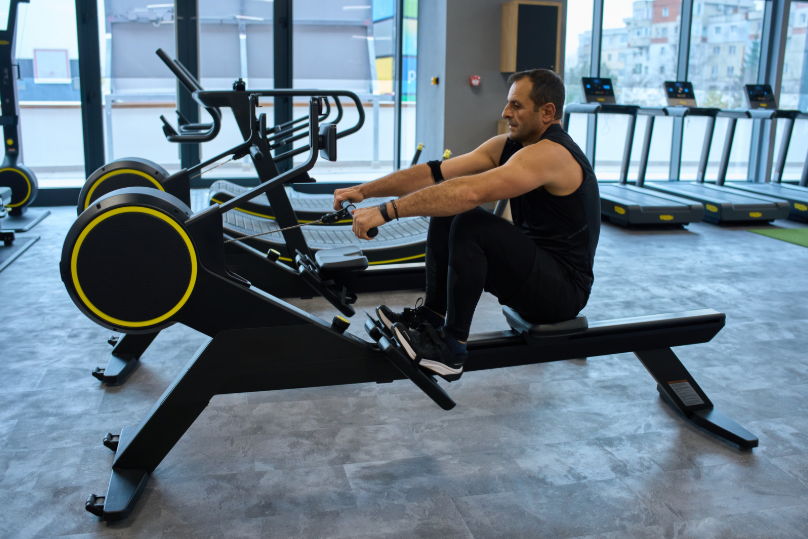
Rowing Machine Maintenance: Checklist for Durability and Performance
A rowing machine used regularly works much harder than it may seem: seat movement, handle traction, sweat on surfaces, dust in the joints, and small debris on the rail can affect the feeling of smoothness over time. For this reason, rowing machine maintenance should not be seen as a complicated technical task, but rather as a simple routine that protects the equipment and makes every workout more enjoyable.
People who buy a rowing machine for home use usually want a practical, quiet, and always-ready solution. Proper cleaning, periodic inspections, and attention to the most stressed components help prevent noise, friction, premature wear, and small issues that could turn into repair costs. The goal is to create a clear and sustainable routine that is easy to follow, even for those with no experience maintaining fitness equipment.
Routine rowing machine cleaning after workouts
Cleaning the rowing machine should begin immediately after use, while sweat and moisture are still easy to remove. Simply wipe the handle, seat, footrests, frame, and contact areas with a soft slightly damp cloth, avoiding harsh detergents or overly foamy products. Surfaces should then be dried thoroughly, because leaving moisture or sweat on metal, plastic, or padded components can lead to stains, unpleasant odors, and premature wear.
The rail deserves special attention because it is the component that most affects the smooth feeling of the rowing stroke. Dust, hair, or small debris can build up along the guide and make movement less regular. Running a dry or lightly damp cloth along the entire seat track helps maintain a clean and quiet motion. In homes with children, pets, or dusty environments, this habit becomes even more important.
Periodic checks to prevent wear and breakdowns
A good rowing machine maintenance checklist does not need to be complicated, but it should be consistent. Every week, it is useful to check that the seat slides smoothly, the footrests are stable, the straps are not loose, and the handle returns correctly. These checks only take a few minutes and allow you to notice unusual noises, vibrations, or minor misalignments before they become more serious problems.
Once a month, it is worth taking a closer look at screws, joints, the frame, and fastening points, without attempting technical repairs that require professional expertise. If a part seems loose, it should be checked according to the user manual for the specific model. If you notice cracks, damaged cables, irregular resistance, or sudden blockages, improvised repairs should be avoided. Home maintenance is meant to prevent problems, not replace professional assistance when structural issues appear.
Lubrication and smooth movement of moving parts
Understanding how to lubricate a rowing machine depends on the type of model and the manufacturer’s instructions. Not all rowing machines require lubrication in the same areas, and not all products are suitable. In general, before applying any lubricant, the area should be cleaned carefully to remove dust and residue while checking the manual for recommendations. Using the wrong product may attract dirt or damage materials and components.
The most common sign that maintenance may be needed is less fluid seat movement or a new noise during the rowing stroke. In these cases, the first step should not be immediate lubrication, but cleaning the rail, wheels, and visible moving parts. Only if the manual recommends it should a suitable lubricant be applied in small amounts. Light and regular maintenance is much safer and more effective than heavy lubrication done infrequently.
Water rowing machine maintenance
Water rowing machine maintenance requires a few additional precautions related to the tank. The water should remain clean, odor-free, and visually clear. For this reason, it is important to follow the manufacturer’s recommendations regarding tablets or specific treatments, avoiding household cleaning products that are not approved. Bleach, scented detergents, or improvised solutions can damage seals and internal materials.
The tank should be checked periodically, especially if the rowing machine is placed near direct sunlight or in very warm rooms. Changes in water color, deposits, or unpleasant smells indicate that it is time to intervene according to the manual instructions. The outside of the tank should also be dried after use, since splashes and humidity can leave residue on the frame. Proper water management keeps the training experience pleasant and prevents the equipment from feeling neglected.
Before contacting customer support
Before opening a support request, it is helpful to perform a few simple and safe checks. If the rowing machine makes noise, try to identify whether the sound comes from the rail, handle, footrests, or resistance system. In many cases, thorough cleaning of the guide rail, checking the straps, and ensuring the machine is level on the floor can solve small issues caused by daily use or uneven positioning.
If the problem remains after these checks, it is best to gather clear information before contacting support: rowing machine model, purchase date, description of the noise, when it occurs, and photos or videos of the issue. This helps reduce delays and misunderstandings. A regular preventive maintenance routine, combined with organized communication with support, helps protect your investment, avoid unexpected costs, and keep the rowing machine performing efficiently for longer.
Comments (0)