
Trolley
You have no items in your shopping cart

 Budgets
 Dumbers
 Discs
Discs
 Benches
 Racks and Rigs
 Weights Holders
 Isotonic machines
 Calisthenics
 Cardio
 Kettlebells
 Flooring
 Gym Set
 Accessories
 Combat
 ARTI MARZIALI
 CONTAINER GYM
 Tug-Of-War
 Used Gym Equipment
 PILATES MACCHINARI
 GINNASTICA ARTISTICA
 CAMPI DA PADEL
 Prodotti in Pronta Consegna
 Informazioni
 IRONMAN
 Gift Card
- Donatif
- General information
- 0 I like it
- 6 Views
- 0 comments
- gym flooring, safety flooring, gym safety, shock-absorbing materials
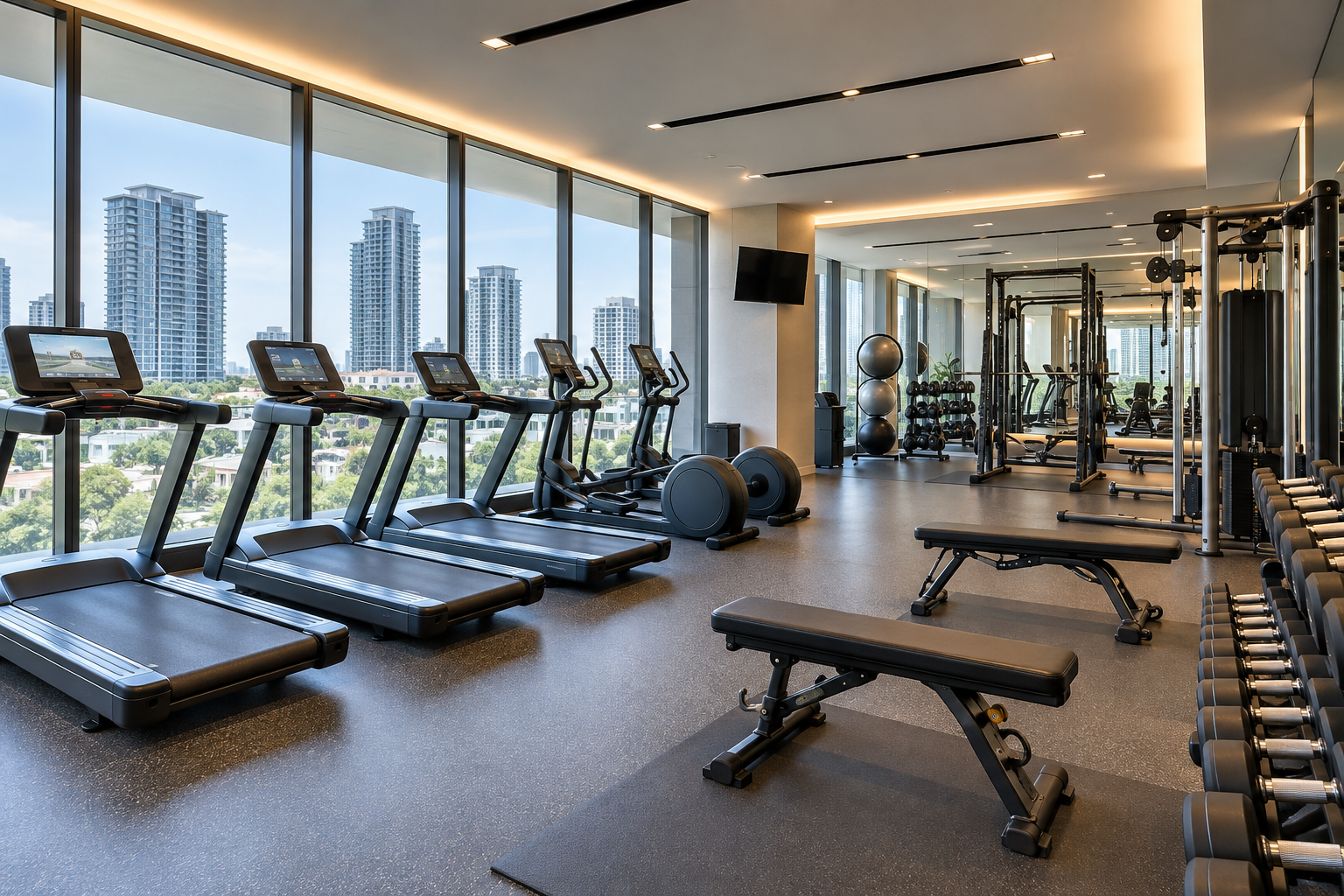
Condominium gym maintenance: inspection and cleaning plan
Proper maintenance of a condominium gym is essential to keep spaces functional, extend the useful life of equipment, and reduce the risk of breakdowns or extraordinary interventions. Management should be planned through a schedule of periodic inspections, regular cleaning, and documented checks of the main components of the facility.
The operational response consists of preparing a maintenance plan that distinguishes daily, periodic, and extraordinary checks, always following the instructions provided in the equipment manufacturers' manuals. Recording interventions also makes it possible to monitor the gym's condition and promptly schedule any replacements.
This guide proposes verifiable criteria for organizing an inspection and cleaning plan for a condominium gym without overlapping with insights dedicated to design, equipment selection, or the reduction of noise and vibration.
- Quick answer
- What to check
- Frequencies and signs of wear
- Cleaning and routine maintenance
- When to replace or intervene
- How to organize the maintenance plan
- FAQ
How to organize the maintenance of a condominium gym?
Maintenance should be scheduled through regular checks of the equipment, sports flooring, systems, and accessories, supplemented by cleaning operations and the recording of performed interventions.
Every check should follow the manufacturer's instructions and provide for the prompt management of any detected anomalies before putting the affected equipment back into service.
Structured planning facilitates gym management and helps maintain high standards of efficiency over time.
What is the primary objective?
To maintain equipment and spaces in proper conditions for use through systematic checks and scheduled maintenance.
Why keep a log?
Documenting inspections, interventions, and replacements makes it possible to monitor the condition of the equipment and schedule future activities.
What to check during inspections?
Checks should include equipment stability, the correct tightening of fastening elements, the condition of moving parts, and the absence of visible damage.
It is also advisable to check flooring, coverings, cables, grips, padding, and all elements subject to wear during daily use.
The technical documentation of the equipment represents the main reference for identifying the control points established by the manufacturer.
Equipment check
Each machine should be inspected by checking stability, operation, adjustments, and the presence of any worn components.
Environment check
Cleanliness, lighting, ventilation, and flooring conditions should be checked regularly to keep the gym efficient.
Which frequencies to adopt and what signs to observe?
The frequencies of checks depend on the intensity of gym use and the instructions provided in the manufacturers' manuals.
A visual check can be carried out before opening or using the facility, while more in-depth inspections should be scheduled according to the defined maintenance program.
Unusual noises, abnormal vibrations, difficulty in adjustments, loose components, or clear signs of wear represent signs that require further checks.
Routine checks
Daily checks can promptly identify obvious anomalies and prevent the use of equipment that requires maintenance.
Signs of wear
Damaged parts, wear on contact surfaces, irregular movements, or abnormal noise must be evaluated before proceeding with use.
How to perform cleaning and routine maintenance?
Cleaning should be carried out using products compatible with the equipment materials and following the manufacturer's instructions.
Contact surfaces, grips, seats, and the most frequently used elements require special attention to ensure order and preservation over time.
The sports flooring should also be kept clean with suitable products to preserve its functional characteristics.
Equipment cleaning
Each machine should be cleaned avoiding products or procedures not compatible with the materials indicated by the manufacturer.
Floor cleaning
Surface maintenance helps maintain order, reduce the accumulation of dirt, and preserve the characteristics of the covering.
When to replace or intervene?
Any component that shows evident damage, significant wear, or operational anomalies should be checked before continuing use.
Replacement interventions should be carried out using compatible spare parts according to the manufacturer's instructions.
If there are any doubts about the proper functioning of a piece of equipment, its use should be temporarily suspended until the necessary checks are completed.
Spare parts management
The availability of original or compatible spare parts according to the manufacturer's instructions facilitates the operational continuity of the gym.
When to request assistance?
Interventions involving structural components or complex mechanisms should be entrusted to qualified personnel according to the manufacturer's instructions.
How to organize an effective maintenance plan?
An effective plan should define responsibilities, check frequencies, recording methods, and procedures to follow in case of anomalies.
The choice of equipment directly affects maintenance needs. To explore the various categories available, you can consult the section dedicated to gym equipment and compare solutions designed for frequent use.
Preventive scheduling allows interventions to be distributed over time, reducing machine downtime and keeping the gym efficient without resorting to avoidable extraordinary maintenance.
Intervention planning
A shared calendar facilitates compliance with deadlines and the coordinated management of control and maintenance activities.
Documentation management
Keeping manuals, inspection logs, and technical documentation simplifies future checks and allows the reconstruction of the history of performed interventions.
FAQ
How often should equipment be checked?
The frequency depends on the intensity of use and the instructions reported in the manufacturers' manuals. It is advisable to integrate regular visual checks with scheduled periodic inspections.
What are the first signs of wear?
Abnormal noises, loose components, irregular movements, wear on contact surfaces, or difficulty in adjustments require checks before the next use.
Is it useful to record all maintenance operations?
Yes. A log of inspections and interventions facilitates maintenance planning and makes it possible to monitor the condition of the equipment over time.
Which sources should be consulted to define the maintenance plan?
For technical aspects, it is advisable to refer to the manufacturers' manuals, equipment documentation, and any references to applicable standards declared by the manufacturers. For the management of common areas, it is also advisable to check condominium regulations and internal procedures adopted by the facility. The setup of this content follows an answer-first structure with verifiable criteria, consistent with the provided brief.
Comments (0)