
Trolley
You have no items in your shopping cart

 Budgets
 Dumbers
 Discs
Discs
 Benches
 Racks and Rigs
 Weights Holders
 Isotonic machines
 Calisthenics
 Cardio
 Kettlebells
 Flooring
 Gym Set
 Accessories
 Combat
 ARTI MARZIALI
 CONTAINER GYM
 Tug-Of-War
 Used Gym Equipment
 PILATES MACCHINARI
 GINNASTICA ARTISTICA
 CAMPI DA PADEL
 Prodotti in Pronta Consegna
 Informazioni
 IRONMAN
 Gift Card
- Donatif
- General information
- 0 I like it
- 32 Views
- 0 comments
- gym flooring, safety flooring, gym safety, shock-absorbing materials
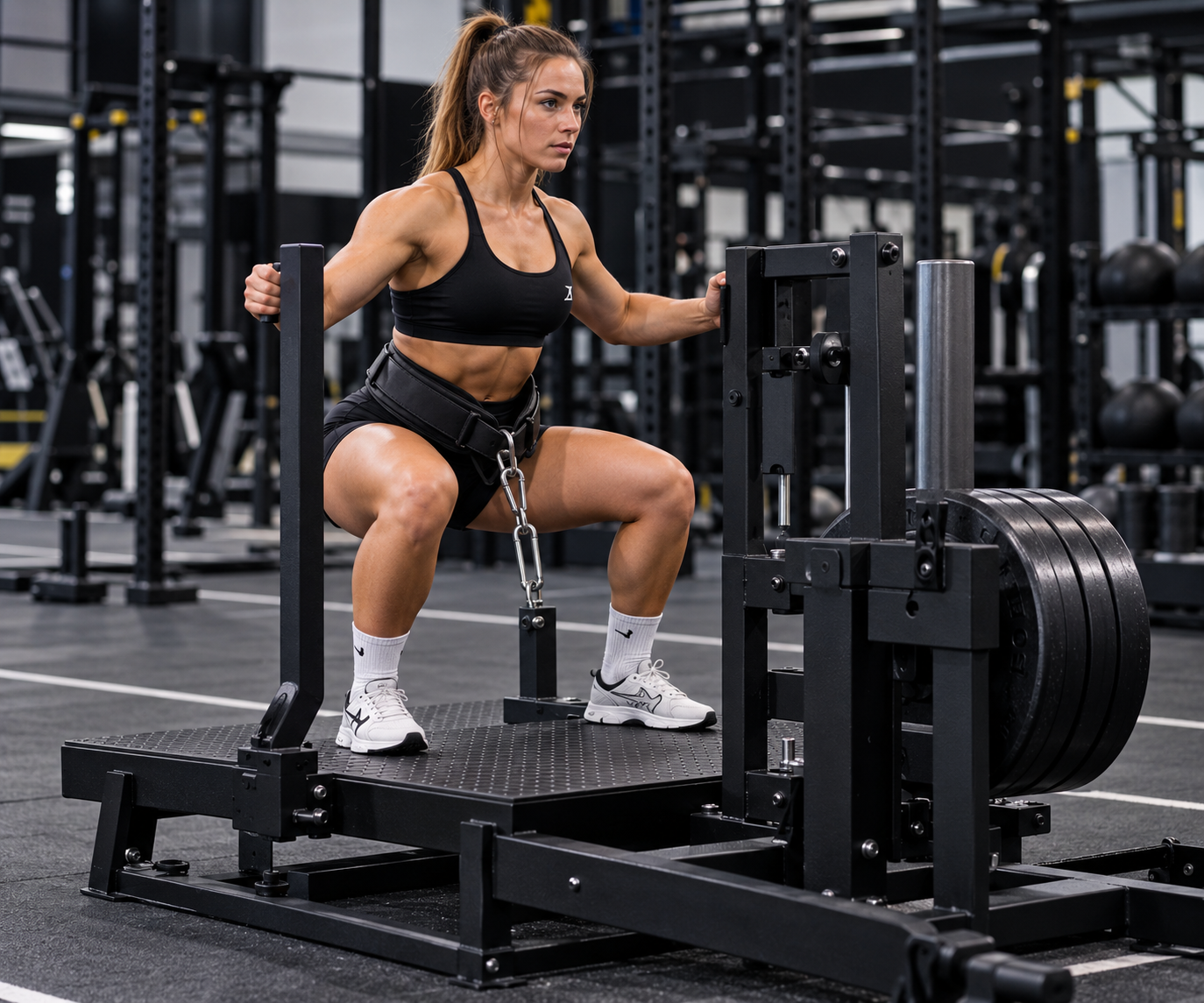
Belt squat maintenance: cables and pins
Proper maintenance of the belt squat is essential to keep the machine efficient, ensure smooth movement, and reduce the risk of breakdowns due to wear of mechanical components. Cables, pins, attachment systems, and pivot points are the elements that require periodic checks because they work continuously under load.
Maintenance is not just about replacing worn parts but also includes regular inspections, cleaning, checking fasteners, and following the manufacturer's instructions. A scheduled control program allows for the timely identification of any anomalies before they compromise the machine's operation.
For gyms, fitness centers, and personal training studios, organizing preventive maintenance is a useful choice to preserve operational continuity, user safety, and equipment durability.
- Quick answer
- What to check
- Frequencies and signs of wear
- Cleaning and routine maintenance
- When to replace or intervene
- Errors to avoid
- Why plan maintenance
How to perform belt squat maintenance
Belt squat maintenance consists of periodically checking cables, pins, fastening systems, pivot points, and fasteners according to the manufacturer's instructions. Checks must be carried out before wear compromises safety or movement fluidity, favoring preventive interventions over extraordinary repairs.
Each machine may provide different procedures depending on the construction system adopted. For this reason, the technical manual always represents the main reference for checks, adjustments, and maintenance.
Documenting the interventions carried out also makes it possible to monitor the state of the machine over time and plan any replacements of components subject to wear.
Decision criteria
The main criteria concern the condition of the cables, pin integrity, correct tightening of the bolts, fluidity of the lever or cable system, platform stability, and regularity of movement during use.
Technical references
Maintenance operations must be performed according to the manufacturer's instructions. For fitness equipment, EN ISO 20957 series standards may also constitute a reference when applicable.
Which components to check
Cables represent one of the most stressed elements in machines that use pulley systems. It is advisable to periodically check for any fraying, deformations, localized wear, or anomalies in the outer coating.
Pins must be checked to verify that they do not show deformations, abnormal play, or evident signs of deterioration. Pivot points and bushings also deserve special attention during periodic inspections.
Bolts must maintain the correct tightening specified by the manufacturer. Any loosening can change the machine's behavior and compromise the quality of movement.
Cable inspection
During the inspection, it is useful to check the continuity of the coating, the regularity of sliding on the pulleys, and the absence of visible damage.
Pins and fasteners inspection
Pins, fastening systems, and connections must be stable, free of abnormal play, and correctly tightened according to the manufacturer's instructions.
How often to perform checks
The frequency of maintenance depends on the intensity of use of the machine. A belt squat installed in a commercial gym generally requires more frequent checks than equipment used occasionally in a private facility.
It is advisable to distinguish between visual checks performed daily by instructors, scheduled periodic checks, and in-depth technical maintenance carried out according to the plan provided by the manufacturer.
Any anomaly detected should be recorded to facilitate monitoring the machine's condition over time.
Routine checks
Before use, it is advisable to quickly check the condition of the belt, cables, platform, and the correct operation of the movement system.
Scheduled maintenance
More in-depth checks should follow the maintenance schedule indicated by the manufacturer and take into account the actual volume of use of the machine.
How to clean and perform routine maintenance
Regular cleaning helps preserve the mechanical components and surfaces of the machine. It is advisable to remove dust, residues, and dirt while avoiding products incompatible with the materials indicated by the manufacturer.
The surrounding area should also be kept clean and tidy to facilitate inspection operations and ensure safe use of the machine.
An anti-shock flooring in good condition protects both the equipment and the floor during daily use. To learn more about the characteristics of dedicated surfaces, you can consult gym anti-shock flooring.
Surface cleaning
The machine's surfaces should be kept clean to limit dust accumulation and facilitate the identification of any anomalies.
Work area cleaning
Keeping the surrounding area clear makes access to the machine easier and facilitates control operations.
When to replace or intervene
Component replacement should take place when evident signs of wear are identified or when the manufacturer provides specific preventive maintenance intervals.
Damaged cables, deformed pins, abnormal play, or difficulties in system sliding represent signs that require in-depth checks before continuing to use the machine.
Any intervention should be performed using compatible spare parts and following the procedures provided by the manufacturer.
Signs of wear
Unusual noises, abnormal friction, irregular movements, and visibly damaged components require inspection before the next use.
Technical intervention
When checks highlight anomalies that cannot be resolved with routine maintenance, it is advisable to stop using the machine and proceed with a technical check.
Errors to avoid
One of the most frequent errors is limiting oneself to external cleaning alone, neglecting checks on cables, pins, and fastening systems. Delaying the replacement of worn components can also increase the risk of breakdowns during use.
It is also advisable to avoid modifications not foreseen by the manufacturer or the use of spare parts incompatible with the machine.
Incomplete documentation of interventions makes it more difficult to schedule preventive maintenance and monitor the evolution of wear.
Irregular checks
Performing checks only in the presence of evident problems reduces the effectiveness of preventive maintenance.
Unsuitable spare parts
The use of components compatible with the manufacturer's specifications helps maintain the machine's reliability and safety.
Why plan maintenance
Scheduled maintenance allows you to keep the belt squat efficient over time, reduce service interruptions, and preserve the quality of the training experience for users.
For gyms, it also represents a useful tool to organize technical interventions, check equipment status, and plan any replacements without compromising the weight room's operations.
Following the manufacturer's instructions, recording the checks performed, and periodically checking cables, pins, fasteners, and mobile components is the most effective method to keep the machine reliable and ready for daily use.
Comments (0)