
Trolley
You have no items in your shopping cart

 Budgets
 Dumbers
 Discs
Discs
 Benches
 Racks and Rigs
 Weights Holders
 Isotonic machines
 Calisthenics
 Cardio
 Kettlebells
 Flooring
 Gym Set
 Accessories
 Combat
 ARTI MARZIALI
 CONTAINER GYM
 Tug-Of-War
 Used Gym Equipment
 PILATES MACCHINARI
 GINNASTICA ARTISTICA
 CAMPI DA PADEL
 Prodotti in Pronta Consegna
 Informazioni
 IRONMAN
 Gift Card
- Donatif
- General information
- 0 I like it
- 7 Views
- 0 comments
- gym flooring, safety flooring, gym safety, shock-absorbing materials
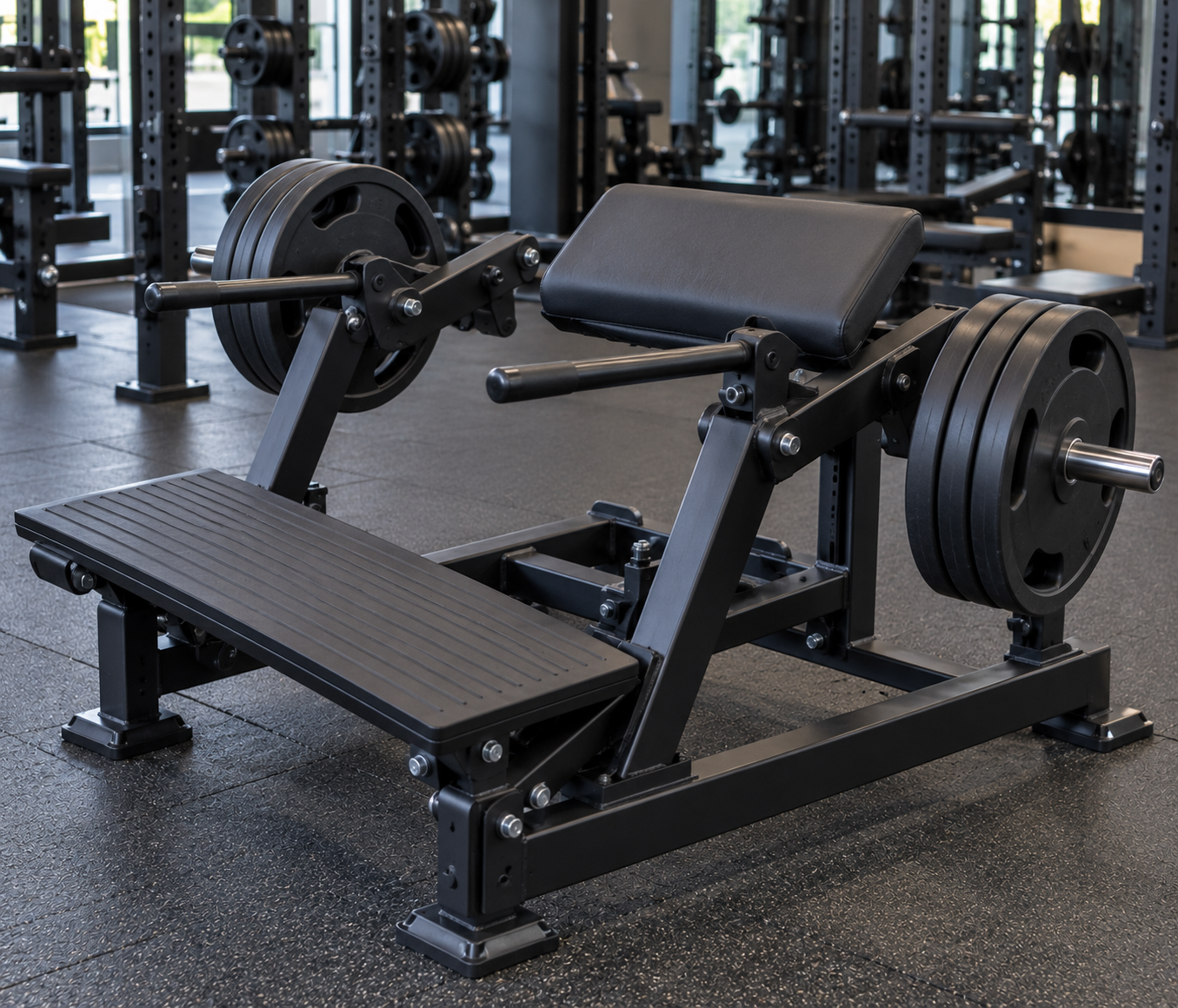
Maintenance of a jungle machine: how to check cables and pulleys
Maintaining a jungle machine involves regular checks on cables, pulleys, guide rods, weight stacks, and components subject to wear, always following the manufacturer's manual instructions. A preventive maintenance schedule helps promptly identify anomalies, preserve smooth movement, and maintain the machine's operational continuity.
Jungle machines are designed for intensive, simultaneous use by multiple users. For this reason, mechanical components, particularly load transmission systems, require regular inspections and proper intervention planning.
This guide outlines which elements to check, how to recognize the main signs of wear, and what criteria to use to organize effective maintenance without replacing the instructions provided in the manufacturer's technical documentation.
- What to check
- Frequency of checks
- Cable inspection
- Inspection of pulleys and guide rods
- Cleaning and routine maintenance
- Signs of wear
- Checklist table
- How to plan maintenance
Which components require the most attention?
Periodic checks should focus on the components that transmit the load and the parts subjected to the greatest stress during daily use.
Main elements include cables, pulleys, guide rods, adjustment systems, weight stack selectors, attachment points, and the supporting structure.
Systematic verification makes it possible to spot minor signs of deterioration before they require major interventions.
Why inspect the frame as well?
The supporting structure should be inspected by checking fasteners, any deformations, and general integrity as specified by the manufacturer.
Why check all moving parts?
A jungle machine integrates numerous mechanical elements that work simultaneously and require regular checks to maintain smooth operation.
How often should maintenance be performed?
The frequency of checks depends on the intensity of use and the maintenance schedule defined by the manufacturer.
In professional gyms, it is advisable to perform daily visual checks and schedule in-depth technical inspections following the machine's official documentation.
Logging interventions makes it possible to monitor the equipment's condition over time and schedule subsequent activities.
What checks should be performed daily?
Verify the integrity of cables, correct insertion of selectors, condition of pulleys, stability of the machine, and absence of abnormal noises.
When should in-depth checks be scheduled?
The frequency must follow the manufacturer's manual and may vary depending on the number of users and the daily use of the machine.
How to check the cables?
Cables represent one of the most important components of the jungle machine and should be inspected regularly.
Visual inspection should check for abrasions, deformations, coating deterioration, damaged strands, and correct attachment at connection points.
Any anomaly requires an evaluation according to the procedures indicated in the manufacturer's technical documentation.
What signs indicate wear?
Visible wear, crushing, deformations, irregular sliding, or damage to terminals represent elements that deserve an in-depth check.
When should a cable be replaced?
Replacement must take place following the manufacturer's instructions or when inspection reveals conditions incompatible with the correct use of the machine.
How to inspect pulleys and guide rods?
Pulleys should rotate freely without abnormal friction or unusual noise.
The weight stack guide rods also require periodic checks to verify smooth sliding and the absence of obstacles during movement.
Any variations in sliding quality may require a technical check according to the scheduled maintenance plan.
Why check the guide rods?
Clean and properly maintained guide rods promote smooth sliding of the load system.
Are noises a useful indicator?
Yes. Friction, squeaks, or unusual noises can represent a sign to investigate further before continuing to use the machine.
How to perform routine cleaning?
Cleaning helps preserve surfaces, guide rods, and mechanical components by eliminating dust and residue accumulated during use.
The products used should be compatible with the materials indicated in the manufacturer's technical documentation.
To learn more about the various dedicated solutions, you can consult the isotonics machines category.
What detergents should be used?
It is advisable to use exclusively products compatible with the machine's materials, following the manufacturer's instructions.
Is lubrication necessary?
Only when provided for in the manufacturer's manual and in the manner indicated in the technical documentation.
What signs indicate the need for intervention?
The main signs include cable wear, noisy pulleys, difficulty sliding guide rods, mechanical play, and anomalies in selector operation.
Variations in movement fluidity may also suggest the need for a technical check.
Ignoring these signs can increase the number of interventions needed over time.
When should use be stopped?
If damaged components, deteriorated cables, or obvious anomalies are detected, it is advisable to suspend use until a technical check is performed.
Why use compatible spare parts?
Using components compatible with the installed model helps maintain the characteristics intended by the manufacturer.
Compact control table
| Component | Recommended check |
|---|---|
| Cables | Abrasions, wear, and terminals |
| Pulleys | Rotation and noise |
| Guide rods | Sliding fluidity |
| Weight stacks | Selectors and alignment |
| Frame | Stability and fasteners |
| Accessories | Integrity and correct use |
This table serves as a useful operational checklist for planning periodic checks and must be integrated with the maintenance schedule provided by the manufacturer.
Verification methods may vary depending on the model and must always be confirmed by consulting the official technical documentation.
Which documents should be consulted?
The installation, use, and maintenance manuals provided by the manufacturer represent the primary source for planning checks, replacements, and scheduled interventions.
What mistakes should be avoided?
Neglecting minor signs of wear, using non-compatible spare parts, modifying the machine, or postponing scheduled interventions are among the most frequent mistakes in managing a jungle machine.
How to organize an effective maintenance program?
Proper management of a jungle machine includes daily checks, scheduled inspections, and logging of performed interventions. This approach facilitates preventive maintenance and helps maintain high operational continuity of the equipment.
Before purchasing, it is also useful to evaluate ease of maintenance, accessibility of cables and pulleys, availability of spare parts, and completeness of technical documentation. These aspects directly affect management costs throughout the machine's entire lifecycle.
FAQ
Do cables need to be checked every day? Frequent visual checks are advisable, while in-depth checks must follow the schedule indicated by the manufacturer.
Do pulleys require maintenance? They must be inspected periodically, checking rotation, noise, and proper functioning according to the machine manual.
When should a component be replaced? When the manufacturer requires it or when checks reveal wear or anomalies incompatible with proper use.
What is the most reliable source for planning maintenance? The installation, use, and maintenance manual provided by the manufacturer represents the main reference for checks, frequencies, and component replacement.
Comments (0)